ECO-1795 · REV D · effective November 9, 2026
Vehicle Plants & ProductionRELEASEDEngineering notice
Renault Trucks ends Meftah restart bid for 2,000-truck plant
Renault Trucks has abandoned a restart of its Meftah plant after Algerian authorities required 30% local integration within five years, leaving about 2,000 trucks of annual capacity unused.
Scope of change
- Meftah had rated annual capacity of about 2,000 heavy trucks before Renault Trucks abandoned its restart.
- The Blida Province plant began assembling Renault Trucks vehicles in 2019 and stopped operations in 2020.
- A May 2025 restart proposal required 30% local integration within five years of restarting.
- Volvo Group EVP Jens Holtinger met Industry Minister Yahia Bachir in February 2026.
- Renault Trucks abandoned the restart after failing to secure Ministry of Industry approval.
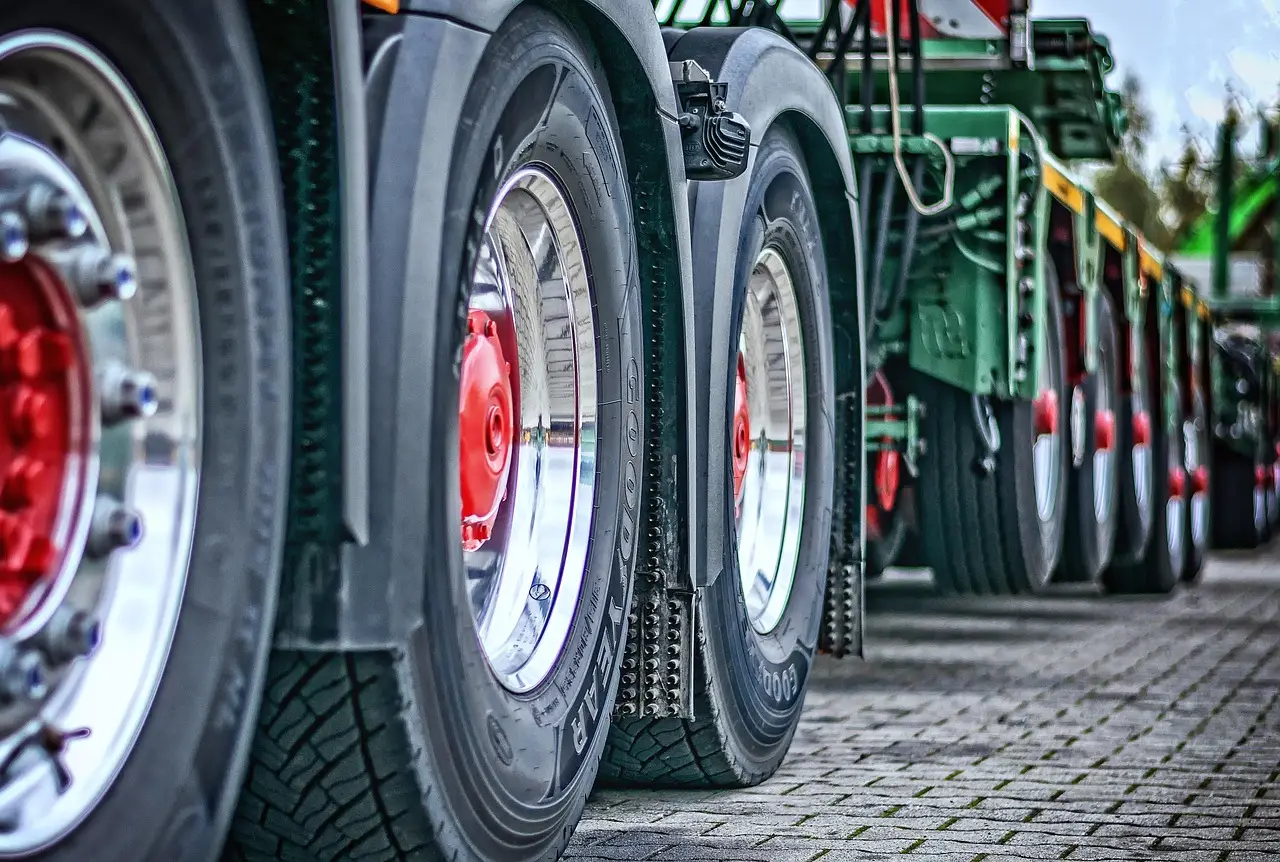
Renault Trucks has abandoned efforts to restart its Meftah assembly plant in Algeria, leaving about 2,000 trucks of annual capacity unused since 2020.
Africa Intelligence reported that Renault Trucks “has given up on obtaining authorisation to resume operations” after several attempts to secure Ministry of Industry approval. The assembly plant, SPA Soprovi Algérie, sits in Meftah, Blida Province, and began assembling Renault Trucks vehicles in 2019.
Renault Trucks is the original-equipment manufacturer (OEM). Volvo Group, the Swedish company that owns it, and Algeria’s BSF Souakri Group are partners in the operation. Renault Trucks designed Meftah to assemble heavy trucks for Algeria’s domestic market.
Why did production stop in 2020?
Algeria suspended operations after ending preferential imports for completely and semi-knocked-down vehicle kits, which are component sets supplied for local assembly. The move removed preferential treatment for the kits used by the plant’s assembly model.
The facility’s rated annual capacity was around 2,000 trucks. Africa Intelligence cited that figure as capacity, not a production total, and the report gave no verified output for the pre-suspension period. For suppliers and industry planners, the distinction matters: a rated assembly line does not establish the volume available for component procurement.
What did Algeria require in 2025?
Renault Trucks sought fresh approval to resume, but the restart terms became stricter. In May 2025, Algerian authorities asked the company to revise its proposal to meet a 30% local-integration rate within five years of restarting operations.
The requirement formed part of Algeria’s broader effort to develop domestic suppliers and reduce dependence on imported components. It also became the central test for Volvo Group’s continued engagement with the Ministry of Industry, even after the original suspension.
In February 2026, Volvo Group executive vice-president Jens Holtinger met Industry Minister Yahia Bachir in Algiers. Their discussion covered the group’s industrial activities and prospects for local truck production. Africa Intelligence said the meeting raised expectations that Meftah could eventually reopen, but the reported abandonment shows the ministerial discussion did not produce authorization.
What does the decision change for suppliers?
For Algeria’s component suppliers, the immediate change is that a potential 2,000-truck annual production channel remains closed. Africa Intelligence identifies BSF Souakri Group as an operating partner but names no component supplier or procurement release, so it provides no verified near-term volume to plan against.
Abandoning the restart is not the same as announcing the plant’s permanent closure or dismantlement. The requirement points toward more domestic participation if a future proposal succeeds, but the report discloses no supplier allocations or component-specific targets.
Algeria is pursuing two goals at once: attracting international manufacturers while requiring greater local participation in vehicle production. The abandoned restart shows the practical gap between those goals when a proposed restart does not clear the government’s revised manufacturing conditions.
What should be watched next?
Watch for a revised application from Renault Trucks or Volvo Group and a formal decision from the Ministry of Industry. Any renewed proposal would need to address three items:
- A production launch date
- A staged plan for reaching 30% local integration
- A sourcing plan combining imported kits with local components
The capacity milestone is actual output: the first production run would provide a verifiable figure against the plant’s roughly 2,000-truck rated annual capacity. Until the ministry grants approval and companies disclose a launch date and supplier releases, Meftah remains unavailable to the market.
via africa.businessinsider.com (Source)
More from Marcus Bennett
Show full bio
News editor covering regulation, policy and their impact on Automotive manufacturing and vehicle production at Autoplant Brief.
293 articles
Also circulated
- Morocco Overtakes Spain in Renault Group Vehicle Output
- Egyptian billionaire Ahmed Elsewedy plans EV plant in Algeria
- Morocco Emerges as Chinese Suppliers' Gateway into European Supply Chains
- Mansour's $150 million Egypt EV plant targets early 2027 completion
- NADDC says Nigeria can expand local vehicle production