ECO-6917 · REV F · effective September 27, 2026
Vehicle Plants & ProductionRELEASEDEngineering notice
Morocco Overtakes Spain in Renault Group Vehicle Output
Morocco has overtaken Spain in Renault Group vehicle production, a report claims — but output figures, time period and brand coverage remain unspecified.
Scope of change
- Morocco World News reports Morocco has overtaken Spain in Renault Group vehicle production
- Renault operates plants in Casablanca (Somaca) and Tangier in Morocco, and Palencia, Valladolid and Seville in Spain
- The report does not specify output figures, time period, or whether all Renault Group brands are included in the comparison
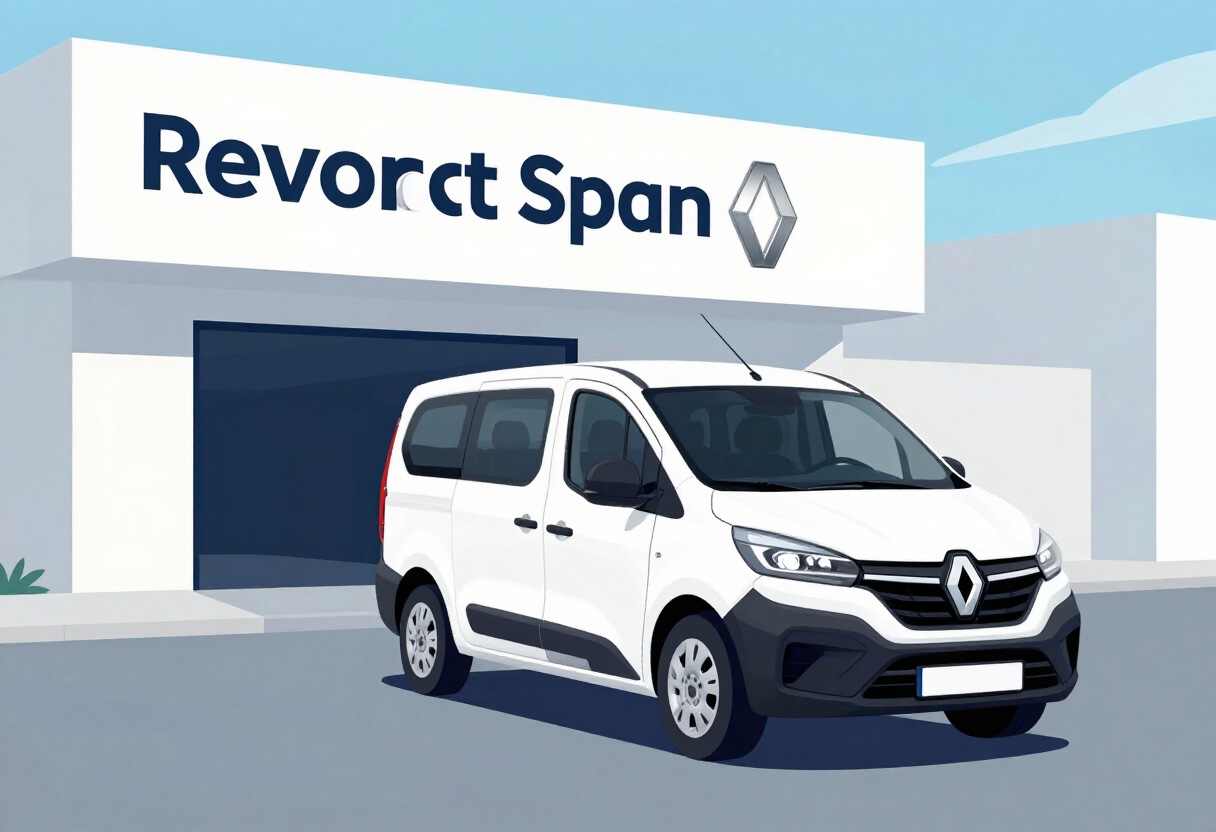
Morocco has overtaken Spain in Renault Group vehicle production, according to a report by Morocco World News. The claim, if confirmed by the automaker's own output figures, would mark a shift in the European OEM's manufacturing footprint, elevating its North African operations above one of its long-standing European production bases.
Renault Group operates two assembly complexes in Morocco: Somaca in Aïn Sebaâ, Casablanca, and the larger Tangier plant. The Tangier facility, opened in 2012, has served as the group's largest vehicle plant by volume in Africa and has assembled models including the Dacia Dokker and vehicles for the Dacia and Renault brands. Spain, by contrast, hosts Renault plants in Palencia, Valladolid and Seville, which have built models such as the Captur and Clio alongside powertrain components.
The report does not specify the exact output figures, the time period covered, or whether the comparison includes vehicles built for all Renault Group brands. That gap matters. Production league tables shift with model changeovers, and a temporary dip at one plant — a line retooling, a phase-out of an ageing model — can produce a ranking change that does not reflect a durable capacity shift.
Morocco's automotive sector has expanded steadily over the past decade. The kingdom has positioned itself as an export hub for European OEMs, combining proximity to Spain and France, tariff advantages in EU markets, and a growing local supplier base. Renault and Stellantis both assemble vehicles there, and the country's total vehicle production has climbed as OEMs have added programs.
Spain's position within Renault's network has faced pressure for longer. The group has trimmed output at Spanish sites during demand slumps, and unions have repeatedly raised concerns about allocation of new models. Even so, Spain remains a significant production location for the group, and a single-period production comparison does not equal a withdrawal of commitment from either country.
For supplier tiers, the ranking question carries real weight. A plant building more vehicles pulls more components — wiring harnesses, stampings, seats, powertrain parts — from its surrounding supplier network. If Moroccan output is genuinely running ahead of Spanish output on a sustained basis, tier one and tier two suppliers with footprints in both countries will be watching allocation decisions closely, since volume follows the assembly line.
Trade-press practice demands caution here. A single outlet's ranking claim requires verification against Renault Group's published production statistics and the annual filings that break down output by country. The company reports plant-level and country-level figures at regular intervals, and those numbers — not media tallies — are the benchmark against which this claim should be tested.
What to watch next: Renault Group's next quarterly or full-year production disclosure, where country-level output figures will either confirm or refute the reported crossover; the allocation of upcoming models to Moroccan versus Spanish lines; and any capacity announcements from Tangier or Casablanca, which would signal whether the group intends to lock in the shift or merely benefits from a favorable production cycle.
via Google News: Auto plant and vehicle production (Source)
More from Sophie Lindqvist
Show full bio
Correspondent covering business strategy at Autoplant Brief.
97 articles