ECO-3495 · REV Z · effective September 30, 2026
Vehicle Plants & ProductionRELEASEDEngineering notice
Renault and Geely Commit 2 Billion Reais to Brazil Joint Venture
Renault and Geely will invest 2 billion reais in a Brazil joint venture, an announced intention that signals Geely's shift toward local assembly as import tariffs climb.
Scope of change
- Renault and Geely announced a 2 billion reais (roughly $370 million) investment in a Brazil joint venture.
- Brazil is phasing import tariffs on built-up vehicles toward 35%, pushing OEMs toward local assembly.
- No plant, product or timeline has yet been disclosed; production intent remains unverified.
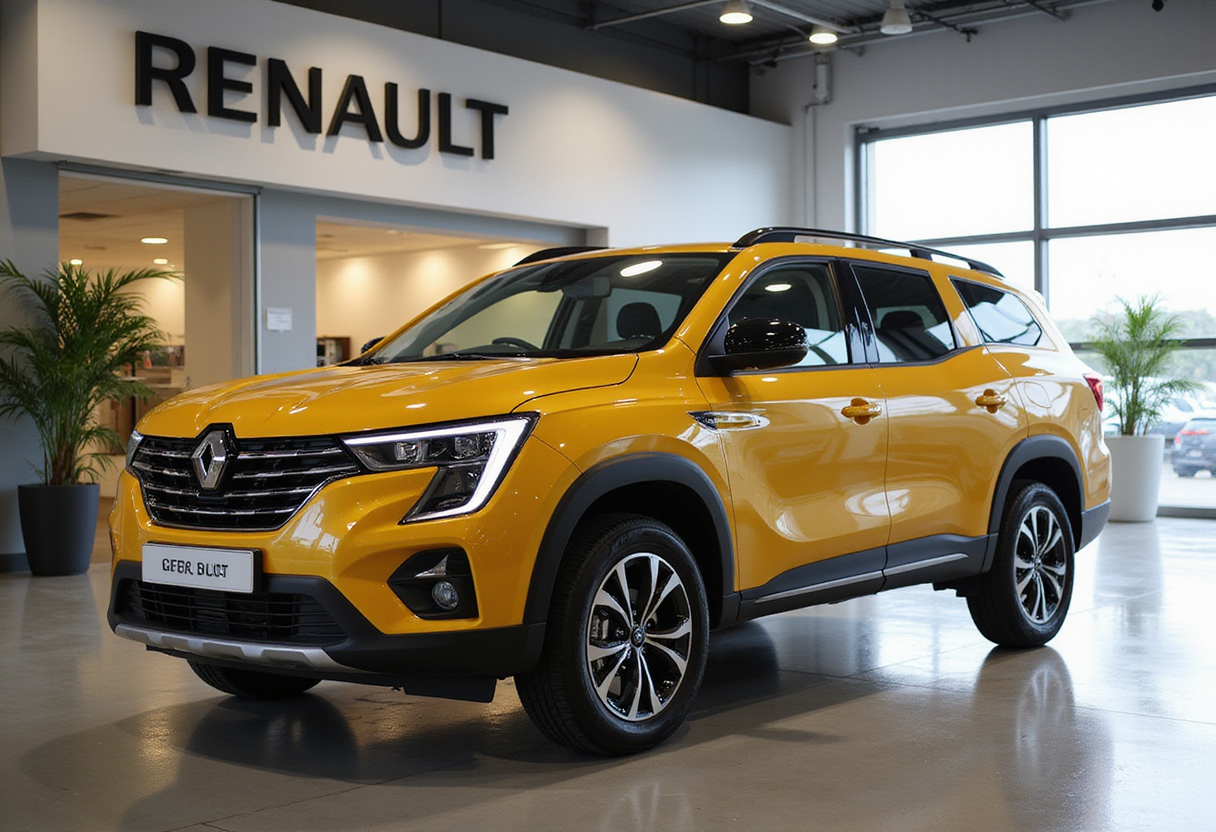
Renault and Geely will invest 2 billion reais — roughly $370 million at current exchange rates — in a joint venture aimed at Brazil, the companies announced. The figure is the only hard number disclosed so far, and the announcement leaves open the central questions a program of this size usually answers: which plants, which products, and on what timeline.
The commitment confirms that Geely intends to move beyond its export presence in Brazil and put capital on the ground alongside an established local manufacturer. Renault has operated in Brazil for more than two decades and runs its main South American industrial base in São José dos Pinhais, Paraná. The Chinese group, by contrast, has shipped vehicles into the market without local production — a position that has grown costlier as Brazilian import tariffs on built-up vehicles have climbed.
That tariff schedule gives the deal its industrial logic. Brazil has been phasing in higher duties on imported cars, with rates heading toward 35% on vehicles from countries without trade agreements. For any OEM planning sustained volume in the market, local assembly is rapidly becoming the default path. An investment of this scale suggests the partners are positioning for exactly that shift, though neither company has yet said publicly whether the money funds a new line, an expansion of existing Renault capacity, or a licensing-and-assembly arrangement under the joint venture structure.
Renault brings the manufacturing footprint. Its Paraná complex has historically handled body assembly, stamping and powertrain operations for the group's South American range. Geely brings platforms and product — including the small and compact SUV segments that dominate Brazilian sales charts and where Chinese brands have gained share fastest. A structure in which Geely-derived models roll out of Renault's existing Brazilian industrial base would follow the pattern the two companies and their broader alliance arrangements have used elsewhere.
What remains unverified is the production intent behind the 2 billion reais figure. As with any supplier or OEM announcement, the stated investment is a plan, not output. Brazil's automakers' association, Anfavea, publishes monthly output by plant, and the first confirmation that this venture is real will come not from a press release but from homologation filings with the government and new entries in Anfavea's production data.
The announcement also lands in a competitive moment for the market. Chinese brands now hold double-digit share of Brazilian new-vehicle sales, and several — including BYD, Chery's local operation and GWM — have committed to or completed their own Brazilian industrial investments. Renault itself has been fighting to hold position in a top-five market it once treated as a volume pillar. A capital injection shared with Geely spreads the cost of that defense.
For the tier structure around the plants, the deal matters if — and only if — it comes with localized content. Brazilian rules tie tax advantages to local sourcing thresholds, so any assembly program would pull component business toward local tier-one and tier-two suppliers in the São Paulo–Paraná corridor.
What to watch next: the formal JV agreement terms and governance split, expected product and plant announcements from the partners, homologation filings that would reveal which models are headed for local assembly, and the first capacity or jobs figure attached to a named site. Until one of those lands, the 2 billion reais stands as an announced intention — sizeable, but unanchored to a production plan.
via Google News: Auto plant and vehicle production (Source)
More from Sophie Lindqvist
Show full bio
Correspondent covering business strategy at Autoplant Brief.
97 articles