ECO-9998 · REV Q · effective November 9, 2026
Vehicle Plants & ProductionAPPROVEDEngineering notice
Kia to spend KRW 3 trillion on new EV plant in Gwangju by 2029
Kia will invest KRW 3 trillion (US$2.2 billion) in a new EV plant at AutoLand Gwangju by 2029, part of Hyundai Motor Group's KRW 125 trillion domestic spending plan.
Scope of change
- Kia plans to invest KRW 3 trillion (US$2.2 billion) in a new EV plant at its AutoLand complex in Gwangju
- The project sits under Hyundai Motor Group's November 2025 programme to invest KRW 125 trillion domestically over five years
- Plant construction is expected to be completed by 2029
- The consortium plans to deploy 200 autonomous Hyundai Ioniq 5 EVs for PBV road testing and AI training
- Kia CEO Song Ho-sung said the partnership aims to accelerate commercialization of PBV-based technologies
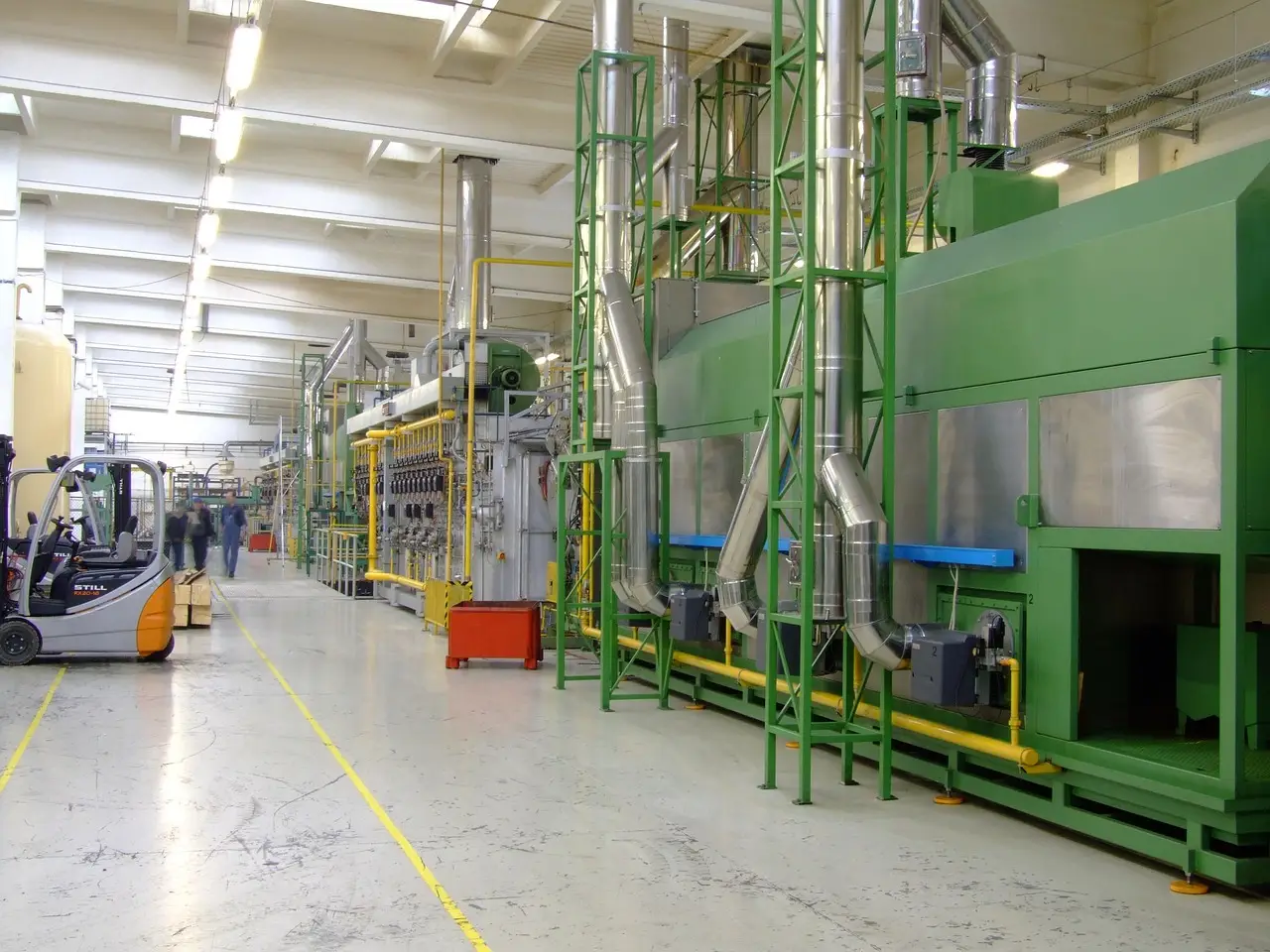
KRW 3 trillion (US$2.2 billion) is the price tag on a new electric vehicle plant Kia Corporation plans to build at its AutoLand complex in Gwangju, South Korea, according to local reports. The project, part of Hyundai Motor Group, is expected to be completed by 2029.
The investment falls under a broader programme announced by Hyundai Motor Group in November 2025: KRW 125 trillion committed to the group's domestic operations over five years. Kia frames the Gwangju plant as a strategic global production base for software-defined vehicles (SDVs — vehicles whose functions are controlled primarily by centrally updated software) and zero-emission vehicles.
Local reports, not a formal Kia regulatory filing, carry the capacity and timing details, so plant volumes remain unconfirmed. What is confirmed at group level is the scale of the umbrella programme and the 2029 completion target for Gwangju.
What does the Gwangju project change for PBV players?
Beyond the plant itself, Hyundai Motor Group plans an integrated mobility ecosystem in Gwangju together with the city authorities, Chonnam National University and the Gwangju Institute of Science and Technology. The focus is testing purpose-built vehicles (PBVs — vehicles designed around a specific use case rather than general passenger transport) for local transportation.
Planned test applications include:
- Autonomous public shuttle buses
- Last-mile logistics vans
- Autonomous and remotely driven vehicles for passengers with disabilities
To support the road testing and train the PBVs' AI systems, the consortium plans to deploy a fleet of 200 autonomous Hyundai Ioniq 5 EVs across the city. For Tier 1 suppliers and sensor, software and remote-driving vendors, a 200-vehicle urban test fleet in a mid-size Korean city represents a concrete integration opportunity rather than a lab-scale demonstration.
The commercialization agenda
Kia CEO Song Ho-sung confirmed the partnership's intent, saying it aims to "accelerate the commercialization of PBV-based technologies while helping position the Jeonnam-Gwangju Integrated Special City as Korea's flagship center for future mobility."
The quote signals two things for practitioners. First, Kia treats PBVs as a commercialization programme with a city-scale proving ground, not a concept exercise. Second, the regional ambition — Jeonnam-Gwangju as a national future-mobility hub — ties the plant to policy and academic infrastructure, which typically shapes permitting speed, subsidies and workforce pipelines.
What to watch next
Three markers will test whether the KRW 3 trillion converts from reported intention to confirmed capacity: a formal Kia announcement with specified annual production volume for the Gwangju plant; ground-breaking timing against the 2029 completion target; and the first deployment data from the 200-vehicle Ioniq 5 autonomous fleet, which will indicate how quickly PBV road testing moves from fleet setup to commercial pilots.
via just-auto (Source)
More from Marcus Bennett
Show full bio
News editor covering regulation, policy and their impact on Automotive manufacturing and vehicle production at Autoplant Brief.
293 articles
Also circulated
- Kia Commits 3 Trillion Won to Gwangju EV and PBV Plant by 2029
- South Korea slashes Hyundai EV plant rebuild permit window to one year
- Leaked Kia Document Points to 2028 EV7 and Hydrogen Carnival
- Hyundai to fast-track Ulsan plant conversion to EV output
- Hyundai plans $74 million stake in Vietnam battery-anode plant