ECO-6599 · REV T · effective November 5, 2026
Auto Industry PolicyRELEASEDEngineering notice
Pakistan's EV Three-Wheeler Output Triples to 210,268 — While the Policy Sits in a Drawer
Pakistan tripled electric two- and three-wheeler output to 210,268 units, but its 2025-30 EV policy sits unfinalized pending IMF review — with one confirmed charging station.
Scope of change
- Electric two- and three-wheeler production tripled to 210,268 units in FY2025-26 from 59,756 a year earlier.
- The 2025-30 NEV policy targets 30% of new vehicle sales — 2.223 million vehicles — by 2030, pending IMF review.
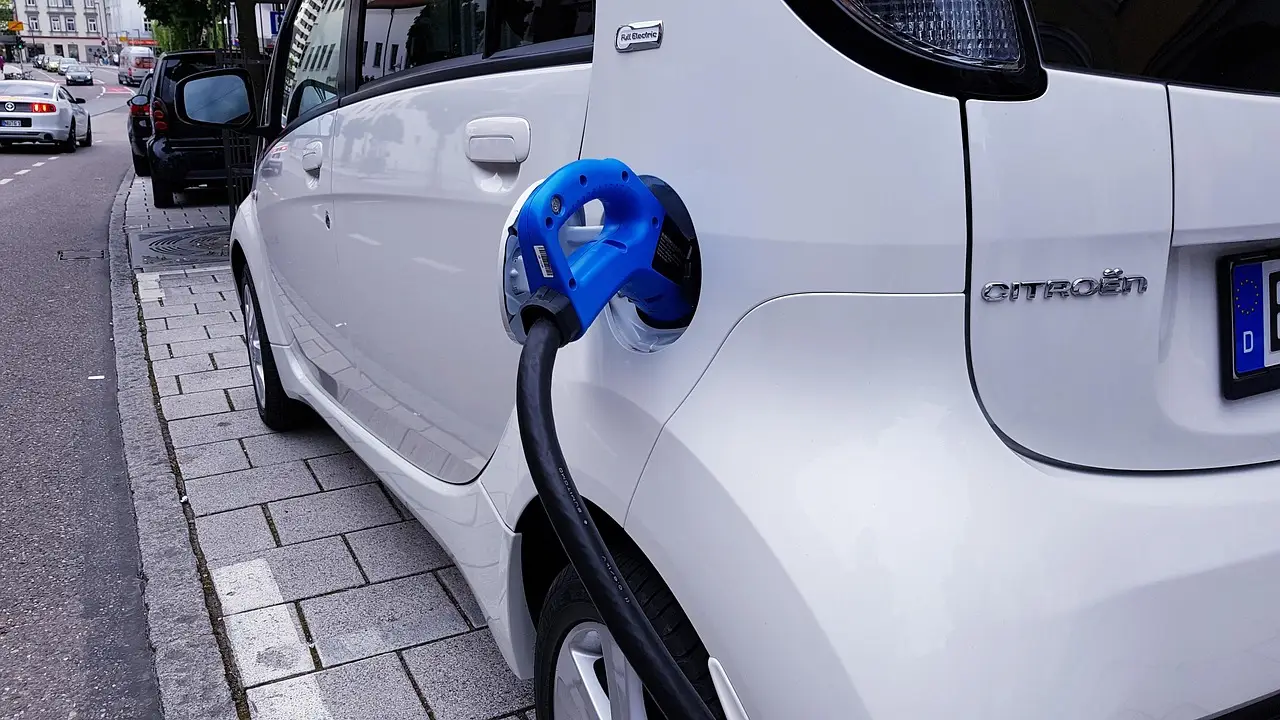
- Only one charging station, at Bhera on the Islamabad-Lahore motorway, is confirmed operational against a 3,000-station goal.
- Key EV components carry 1% customs duty until June 30, 2027; localized CKD kits face 46%.
- Pakistan Steel Mills tendered for 120 private security guards after Defence Security Force withdrawal.
By Daniel Okafor
Pakistan built 210,268 electric two- and three-wheelers in fiscal 2025-26 — triple the 59,756 units of the prior year — while the auto policy meant to govern the sector remains a draft awaiting review by the International Monetary Fund.
A parliamentary panel heard Tuesday that the Ministry of Industry and Production will send the proposed auto policy for 2025-30 to the Ministry of Finance, which will then share it with the IMF. The Senate Standing Committee on Industries and Production, chaired by Saleem Mandviwala, expressed concern over the approval delay, saying the automobile sector is already feeling the effects.
So the vehicles are multiplying faster than the rules. Classic.
How fast has electric two-wheeler production grown?
The Engineering Development Board's numbers show a steady climb: 7,345 units in 2021-22, 14,995 in 2022-23, 21,551 in 2023-24, then 59,756 — and now 210,268. That's roughly a 29-fold increase in four fiscal years.
More than 85 companies hold licenses to assemble or manufacture electric two- and three-wheelers, with combined local capacity above 290,000 electric motorcycles, according to the Ministry of Industries and Production.
Capacity is real. The framework around it isn't.
What does the policy actually target?
The New Energy Vehicle Policy 2025-30 aims for electric and hybrid models to reach 30% of new vehicle sales by 2030 — a fleet target of 2.223 million vehicles. The government says the transition could cut carbon emissions by 4.5 million tonnes and save about 2.07 billion liters of fuel annually, worth nearly $1 billion in foreign exchange.
Announced intentions, not confirmed outcomes. The IMF hasn't signed off yet.
Where's the charging network?
Nowhere near 30%, anyway. Senator Anusha Rehman criticized the sequencing bluntly: "Globally, infrastructure is developed first, and then vehicles are manufactured. In Pakistan, we are doing the opposite."
She noted only one station — at Bhera on the Islamabad-Lahore motorway — has been confirmed as operational. An EDB official said the government aims for at least 3,000 charging stations nationwide and has negotiated a discounted tariff of 40 rupees per unit. About 18 installations are under way, and 40 motorway locations between Peshawar and Karachi have been identified.
The EDB could not give a definitive count of operational public charging points. One confirmed station versus a 3,000-station goal is not a gap; it's a canyon.
What tariff carrots are on the table?
The framework includes:
- 15% customs duty on non-localized completely knocked-down kits
- 46% on localized kits
- 1% on key EV components — batteries, motors, converters, chargers — until June 30, 2027
- 1% sales tax on locally assembled two- and three-wheelers
- A sales tax waiver on imported two- and three-wheeler EVs
What about skills and training?
Committee members raised sharp questions about the shortage of skilled workers. Rehman urged adoption of international practices such as China's integration of vocational training centers with EV manufacturing units. The committee said regulators must require manufacturers to build proper training infrastructure and update curricula with organizations like NAVTTC before commercial licensing. It also recommended sending an Auto Industry Development and Export Policy team to inspect vocational training facilities in China.
And Pakistan Steel Mills?
Separately, Senator Khalida Ateeb reported that sub-committee meetings on Sept. 7 and 22, 2026 produced 11 recommendations on theft, operational vulnerabilities and administrative concerns. After Defence Security Force personnel withdrew, Pakistan Steel Mills tendered for a private firm to supply 120 security guards — advertised Sept. 29, opened Oct. 19, now in final evaluation. Criminal cases over theft are being pursued, and implementation reports on all 11 directives are due at the next meeting.
The takeaway: production is running ahead of policy, infrastructure and training. Watch the IMF review — and whether that one charging station at Bhera gets company.
via Google News: Auto industry policy (Source)
More from Daniel Okafor
Show full bio
Senior reporter covering regulation, policy and their impact on Automotive manufacturing and vehicle production at Autoplant Brief.
296 articles