ECO-4190 · REV W · effective November 2, 2026
Industry Analysis & MarketsAPPROVEDEngineering notice
Mazda global sales up 11% in September, but YTD volume still down
Mazda's September global sales rose 11% to 109,226 units on CX-5 strength, yet nine-month volume remains almost 3% below 2025 at 919,198 units.
Scope of change
- September 2026 global sales rose 11% year-on-year to 109,226 units
- CX-5 deliveries surged 30% to 33,047 units, the brand's best seller
- Nine-month global sales fell almost 3% to 919,198 units
- Nine-month output in Japan rose almost 9% to 567,826 units; global production up 5%
- Exports from Japan rose almost 9% to 477,565 units year-to-date
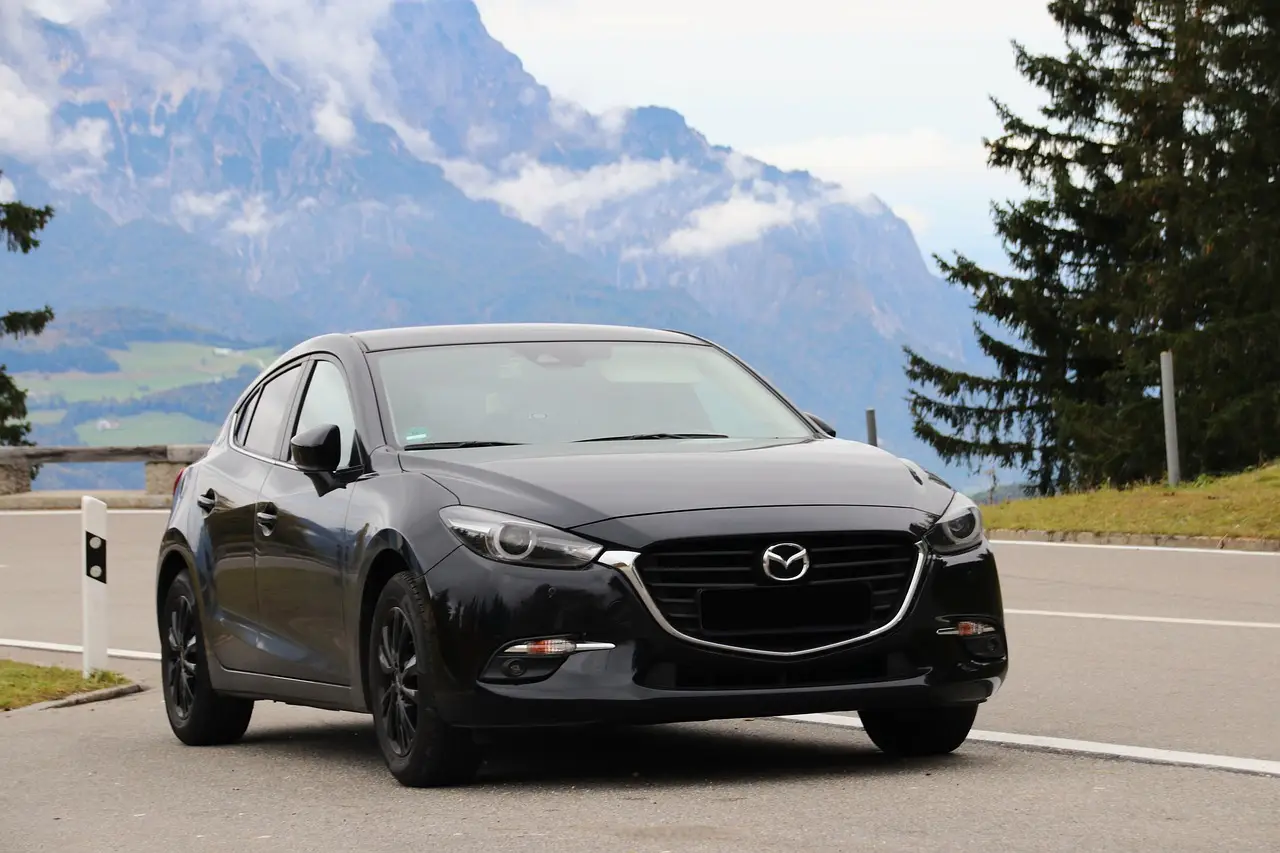
Mazda sold 109,226 passenger vehicles globally in September 2026, an 11% year-on-year increase that follows a 9% decline to 98,067 units in the same month last year. The recovery in the month does not yet repair the company's annual position: sales for the first nine months of 2026 remain almost 3% below last year's level.
Domestic sales in September rose 10% to 15,053 units, while overseas deliveries increased 11% to 94,173 units. In other words, the export markets carried the month, accounting for roughly 86% of the global total.
Which models drove the September rebound?
The CX-5 crossover did the heavy lifting. Its global deliveries surged 30% to 33,047 units, making it the brand's best-selling model by a wide margin — nearly twice the volume of the next model in line. The CX-30 followed with 17,210 units, down 5%, and the Mazda 3 recorded 11,564 units, down 8%. The growth pattern is therefore narrow rather than broad: one crossover expanded while two other core nameplates contracted.
What do the nine-month numbers show?
For January through September, global sales fell almost 3% to 919,198 units from 945,308 units a year earlier. Domestic volume declined 1.4% to 115,831 units, and overseas sales dropped 3.0% to 803,367 units.
The regional breakdown points to where the pressure sits:
- United States: down 3% year-to-date to 310,273 units
- China: down 3% to 46,904 units
- Europe: up more than 14% to 135,065 units
- Other markets combined: down 9% to 311,125 units
Europe stands out as the single clear growth region, adding roughly 17,000 units of incremental volume while the two largest single markets — the US and China — each contracted.
How does production line up with demand?
Global production rose 5% to 895,763 units in the first nine months, and the split matters for Mazda's plant network. Output in Japan climbed almost 9% to 567,826 units, while overseas production declined slightly to 327,937 units. Japanese plants now account for about 63% of the company's global output, so the company is concentrating more of its build in its home plants even as overseas output drifts lower.
Export flows from Japan reinforce that picture. Exports rose almost 9% year-on-year to 477,565 units year-to-date. Shipments to North America increased 11% to 235,223 units and to Europe by 11% to 98,607 units, while exports to Oceania fell 4% to 41,170 units and shipments to other markets combined rose more than 7% to 102,565 units.
The mechanism is consistent: Hiroshima-based Mazda is building more at home and shipping it to North America and Europe — the regions where European demand is growing and North American volume needs replenishing despite softer year-to-date sales.
What to watch next
The test for the September rebound is whether it holds in the fourth quarter. Watch the October global figure to see if the CX-5's 30% growth was a one-month swing or the start of a trend, and track whether European gains continue at a pace that can offset the US, China and other-market declines. The nine-month gap to last year stands at just over 26,000 units, and closing it before the full-year result is the next measurable milestone.
via just-auto (Source)
More from Sophie Lindqvist
Show full bio
Correspondent covering money, funding and market shifts around Automotive manufacturing and vehicle production at Autoplant Brief.
273 articles
Also circulated
- Mazda global sales flat in August; output up 6.9% through eight months
- Chinese vehicle sales fell 8.4% to 2.956 million units in September
- Nissan global sales fall 17.5% in August as output shifts to US
- Tesla China September Wholesale Sales Hit 95,366, Highest of Year
- Honda output falls 12% in September as China and overseas plants retreat