ECO-6904 · REV I · effective November 13, 2026
Vehicle Plants & ProductionAPPROVEDEngineering notice
Kia to build $2 billion second India plant, lifting capacity past 600,000
Kia signs an MOU with Andhra Pradesh to build a $2 billion second plant at Anantapur, adding 200,000 units of annual capacity and 12,000 jobs from early 2030.
Scope of change
- Kia will invest $2 billion in a second plant at Anantapur, Andhra Pradesh, under an MOU signed with the state government on the 13th.
- Production is targeted to start in early 2030, adding roughly 200,000 units of annual capacity and pushing total India capacity above 600,000.
- Kia projects around 12,000 direct and indirect jobs from the plant's construction and operation.
- The new plant will support both internal combustion and electric vehicle production.
- Kia's first Anantapur plant opened in 2019 with the Seltos and now builds the Sonet and Carens for domestic and export markets.
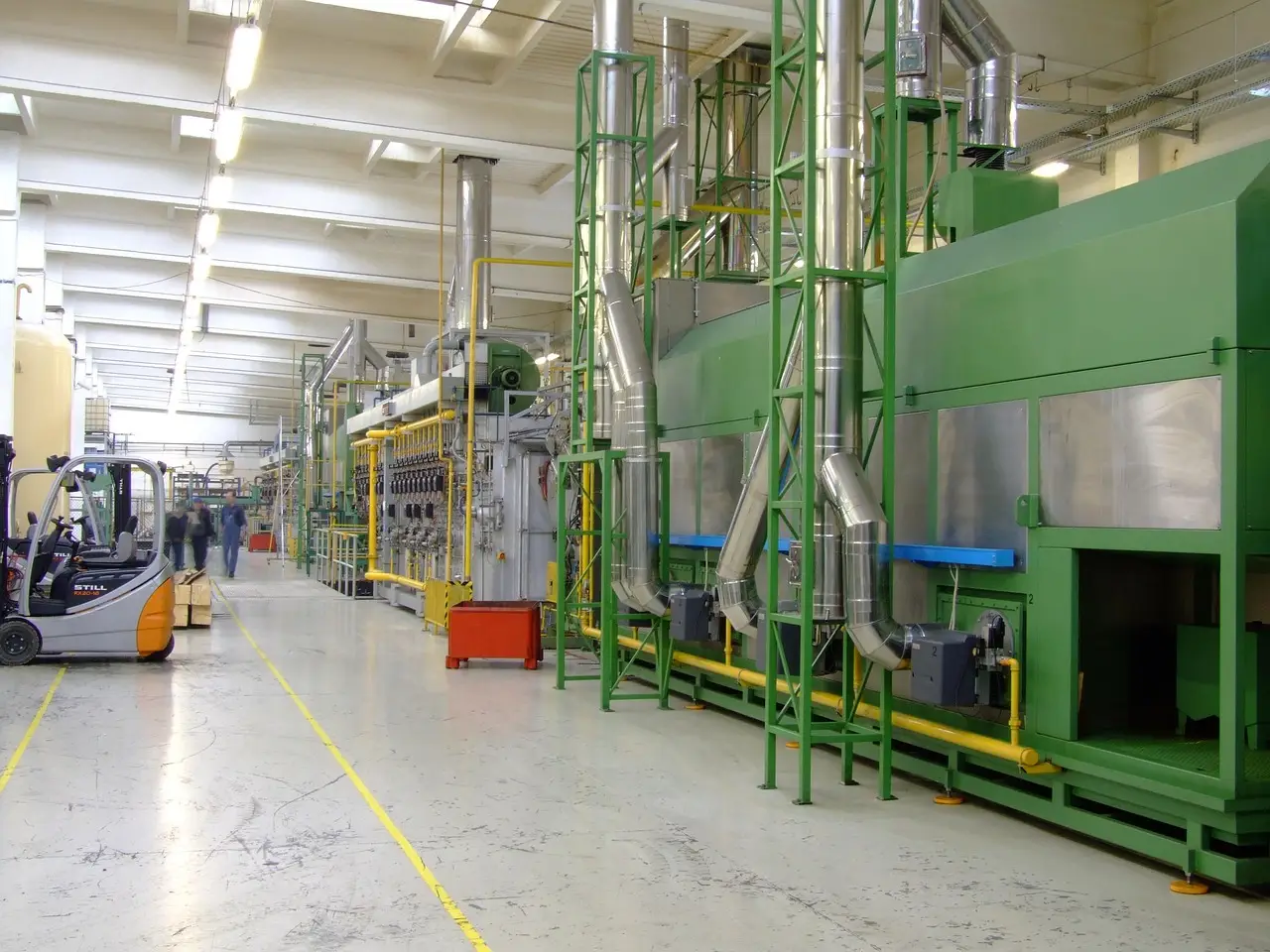
Kia will invest $2 billion in a second Indian plant at Anantapur, Andhra Pradesh, with production targeted to start in early 2030 and annual capacity in India pushed past 600,000 units once the site runs.
The plan rests on a memorandum of understanding, not a confirmed construction contract. Kia India signed the MOU with the Andhra Pradesh state government on the 13th to build the second plant at Anantapur. Kia said it will develop the new production base together with its suppliers and partner companies.
How big is the capacity jump?
The second plant adds roughly 200,000 units a year. Kia's current annual capacity in India stands at about 340,000-400,000 units from the first Anantapur site; the company says the new line takes total capacity above 600,000. That is an intention stated by the OEM, not yet a plant pouring concrete — the MOU precedes any final investment decision the company has disclosed.
Kia projects around 12,000 direct and indirect jobs from construction and operation of the plant. The figure is the company's own forecast, and no timeline breakdown was given for when those positions would be filled.
What will the plant build?
The second plant will support production of new models spanning both internal combustion vehicles and electric vehicles, Kia said. The stated logic is to widen locally built model lines and supply scope while responding to demand shifts in the Indian market. No specific models, volumes by powertrain, or export allocations were named — a notable gap, given that India's role as an export hub is central to most OEM capacity stories in the country.
Gwanggu Lee, Kia's India region head and executive vice president, said India occupies a core position in Kia's long-term growth objectives. He said the second plant would strengthen the company's ability to respond to customer demand more quickly and flexibly.
What does Anantapur already do for Kia?
Kia opened its first Anantapur plant in 2019 and started production with the Seltos SUV. It later added the Sonet and Carens to local production. Vehicles built there supply the Indian domestic market and export markets alike, making the site both a sales and an export asset.
The state context matters. Andhra Pradesh has been expanding industrial zones and export infrastructure, and road and logistics projects are underway in inland districts including Anantapur. Kia's additional production base appears designed to leverage that existing manufacturing base and export environment together, rather than build in a greenfield logistics vacuum.
What is confirmed versus promised?
Confirmed: the MOU with Andhra Pradesh, the $2 billion investment figure, the early-2030 production start target, the roughly 200,000-unit capacity addition, and the 12,000-job projection — all stated by Kia.
Not yet stated: a binding investment schedule, ground-breaking date, model assignments for the second plant, supplier commitments beyond a general intention to work with partners, and any state incentive package tied to the MOU. Whether the ICE-and-EV flexibility survives to 2030 depends on India's demand mix, which no OEM can forecast with confidence four to five years out.
What to watch next
Watch for a formal ground-breaking at Anantapur, which would convert the MOU into a dated construction program. Watch for model announcements — an EV line for India would sharpen the story. And watch the first capacity milestone: whether Kia's existing Anantapur plant approaches its output ceiling before 2030, which would confirm the expansion is demand-driven rather than speculative.
via news.jkn.co.kr (Source)
More from Amara Osei
Show full bio
Market editor covering technology and product news in Automotive manufacturing and vehicle production at Autoplant Brief.
312 articles