ECO-4063 · REV R · effective November 6, 2026
Vehicle Plants & ProductionRELEASEDEngineering notice
Kia India weighs $1.5bn Anantapur capacity expansion
Kia India reportedly plans $1.5 billion for an Anantapur line that could lift annual installed capacity from about 300,000 to 500,000 vehicles, but capital details remain unconfirmed.
Scope of change
- Kia India reportedly plans $1.5 billion for a new Anantapur production line.
- Anantapur’s annual installed capacity would rise from about 300,000 to 500,000 vehicles.
- The source separately lists Anantapur capacity at 431,000 vehicles per year.
- Hyundai Motor Group announced $15.5 billion for India from 2026 through 2032.
- Hyundai Pune starts at 170,000 vehicles annually, targets 320,000 by 2030, and brought group Indian capacity to 1.4 million.
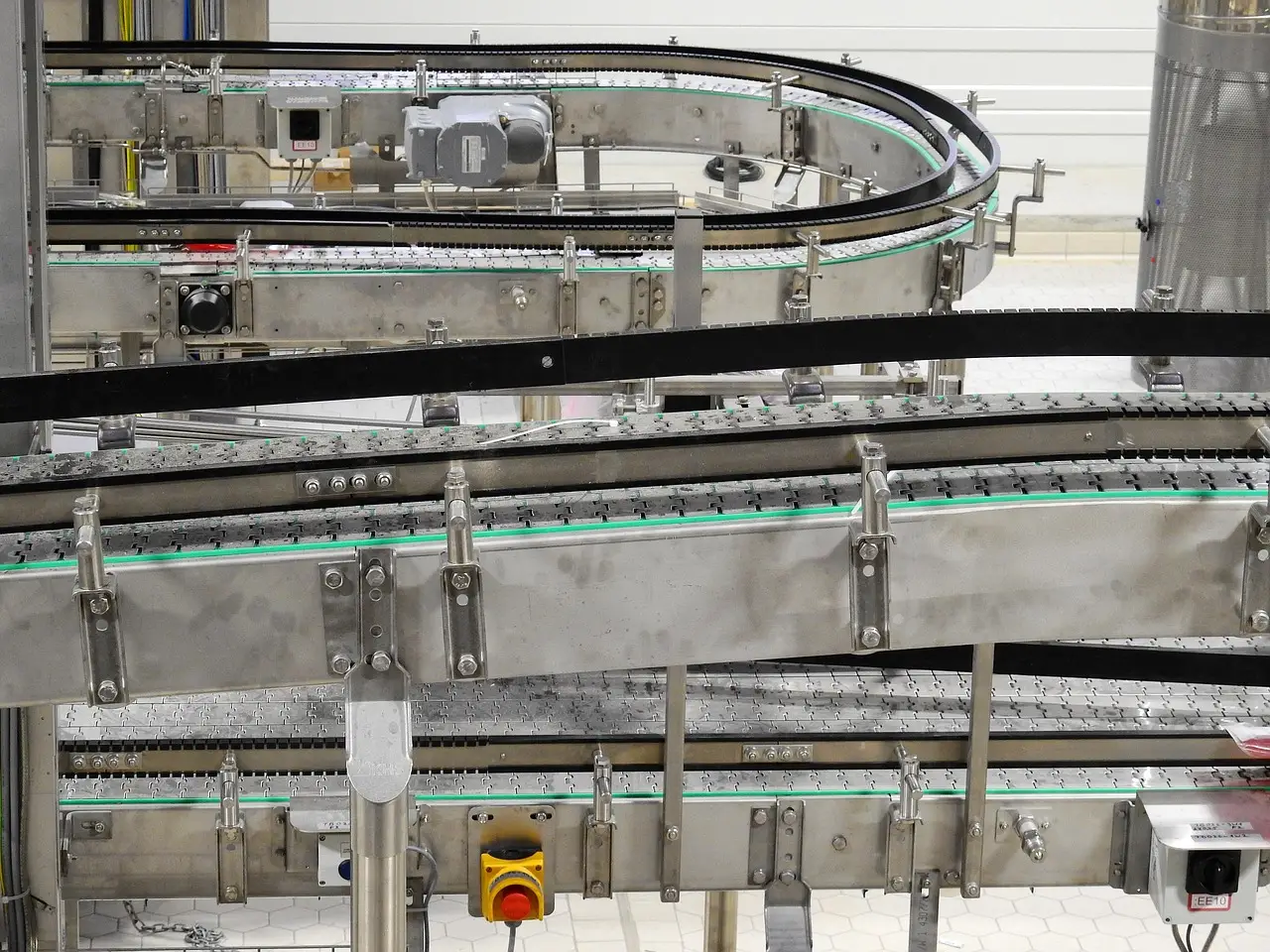
Kia India reportedly plans a $1.5 billion expansion at its Anantapur assembly plant in Andhra Pradesh, aiming to raise annual installed capacity from about 300,000 vehicles to 500,000 through a new production line.
The proposal comes from an Economic Times report, which says an announcement is expected at an investor summit next week. Kia India did not provide details of the planned capital allocation, and its written response did not confirm the reported amount.
What has Kia India confirmed?
In a written response, Kia India said: “Kia India continues to see strong momentum across our portfolio – a clear reflection of the trust our customers continue to place in us. We remain closely attuned to market response and evolving customer demand, and this continues to guide how we think about our portfolio and our plans.”
The statement links future planning to market response and customer demand, but it neither identifies a new line nor quantifies spending. Kia has disclosed neither the proposed line nor a spending figure. The $1.5 billion amount and 500,000-unit target therefore remain proposals carried by a media report, not a disclosed capital plan.
The proposal concerns Kia’s OEM (original-equipment manufacturer) assembly operation. No direct parts supplier or component vendor appears in the report, and the source provides no tender, construction schedule, hiring plan or model allocation.
Why would Kia add the line?
Sources cited by Economic Times said the additional capacity would give Kia India greater manufacturing flexibility for new vehicle models and different powertrain configurations, meaning alternative combinations of engine and power source. The stated purpose is to increase manufacturing volume for Kia’s presence in the Indian automotive market.
On the report’s baseline, a new line would add 200,000 units of annual installed capacity, meaning the plant’s designed annual output. That increase represents roughly two-thirds more than the approximately 300,000-unit baseline cited for the expansion.
The source gives no commissioning date, model allocation or production forecast. Its case for flexibility therefore rests on unspecified future products and powertrain combinations, not a disclosed vehicle launch schedule.
Which capacity figure is the baseline?
The report contains two capacity descriptions for Anantapur. Its investment account starts at about 300,000 units a year, while the group breakdown lists 431,000 units a year at Kia’s plant.
The source does not reconcile those figures or define whether they cover the same equipment, product scope or time period. Until Kia provides one baseline, readers should treat 500,000 as the reported installed-capacity objective, not a verified output rate.
How does this fit Hyundai Motor Group?
Last month, parent Hyundai Motor Group announced a $15.5 billion investment plan for India between 2026 and 2032. The group described India as a “strategic core market for the group’s future growth, emerging market expansion, and next-generation automotive innovation.”
In that same month, sister company Hyundai Motor inaugurated its new Pune assembly plant. The facility has initial annual production capacity of 170,000 vehicles, which the source says brought Hyundai Motor Group’s total Indian capacity to 1.4 million vehicles.
The group’s plant breakdown is:
- Hyundai Motor, Chennai: 824,000 vehicles per year.
- Kia India, Anantapur: 431,000 vehicles per year.
- Hyundai Motor, Pune: 170,000 vehicles initially.
The schedule calls for the Pune plant to reach 320,000 vehicles per year by 2030. Its flexible production systems can support several vehicle models, including internal-combustion-engine and hybrid vehicles, according to the source.
What should readers watch next?
Watch next week’s investor summit for a formal Kia announcement and an exact capital amount. The decisive disclosures will be a reconciled Anantapur baseline, a line commissioning date and evidence that production follows installed capacity; without them, the proposal remains a reported plan rather than a financed expansion.
via auto.economictimes.indiatimes.com (Original)
More from Sophie Lindqvist
Show full bio
Correspondent covering money, funding and market shifts around Automotive manufacturing and vehicle production at Autoplant Brief.
265 articles
Also circulated
- Hyundai-Kia Puts $15.5bn on India's Table Through 2032
- Audi India Weighs Local EV Production as It Targets 16% Market Share
- Kia earmarks $649 million for a dedicated Mexico EV plant
- Zelio E-Mobility targets Rs 168 crore to scale EV plants, dealers
- Kia to Put $649 Million Into Mexico for First EV Production Line