ECO-2528 · REV M · effective November 12, 2026
Suppliers & Tier-1sAPPROVEDEngineering notice
Infineon and Visteon-Shinry build 22 kW single-stage GaN onboard charger
Visteon-Shinry and Infineon unveiled a 22 kW single-stage GaN onboard charger with V2X bidirectional flow, dropping the bulk capacitors of two-stage designs.
Scope of change
- Charger handles 19.2 kW single-phase and 22 kW three-phase power
- Single-stage design eliminates bulk capacitors of two-stage chargers
- Infineon's monolithic bidirectional switches cut semiconductor count in the power stage
- Switch recognised at the 2026 World New Energy Vehicle Congress
- Announced at electronica trade fair in Munich
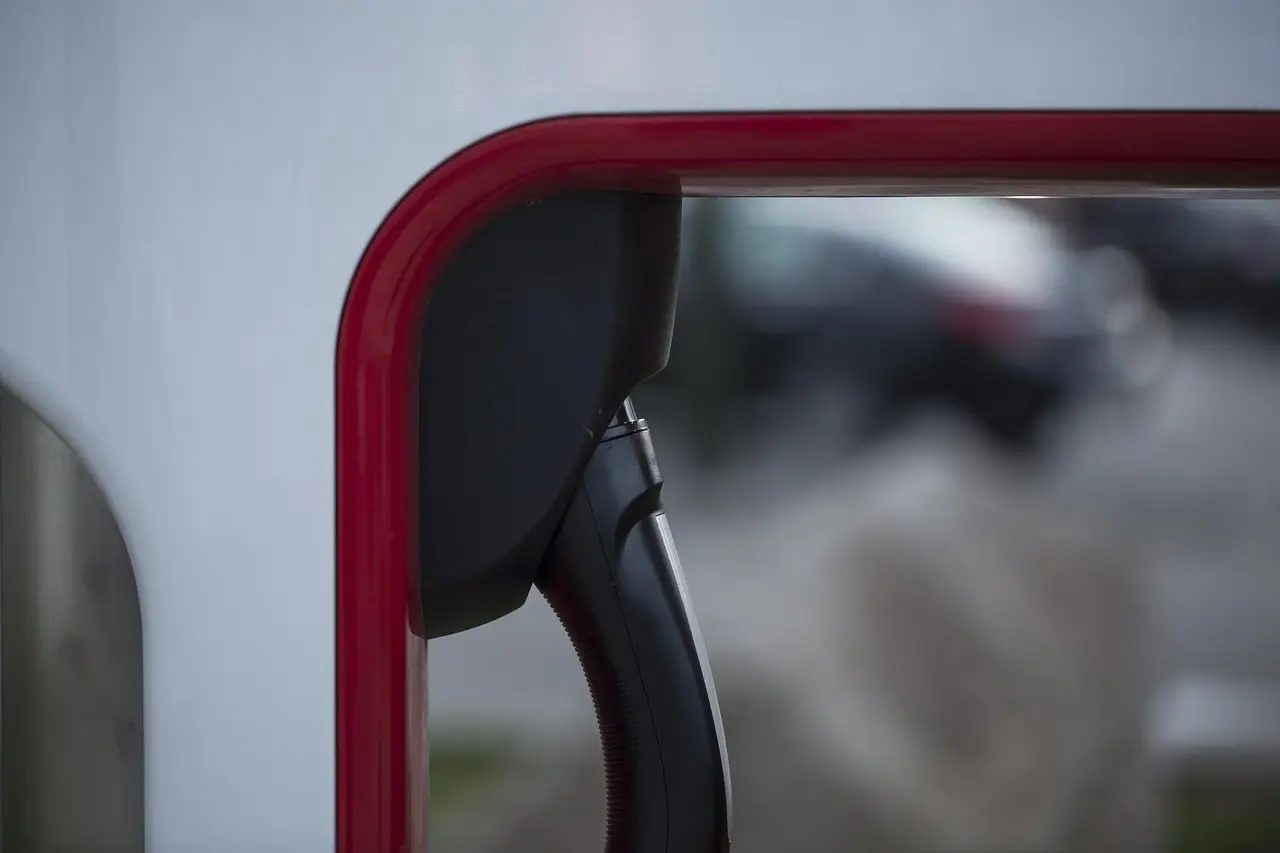
A 22 kW onboard charger built on gallium nitride (GaN) switches is under joint development at Visteon-Shinry Power Electronics and Infineon, the two companies announced at the electronica trade fair in Munich. The unit pushes 19.2 kW on single-phase supplies and a full 22 kW on three-phase, with vehicle-to-everything (V2X) bidirectional power flow as standard.
The numbers matter because this is a single-stage design. Conventional onboard chargers split power conversion across two stages, and that architecture dictates the component count. Visteon-Shinry's design merges those steps into one.
What does the single-stage design change?
It removes the bulk capacitors that two-stage chargers require. The partners say that improves reliability and allows smaller, cheaper packaging of a component nearly every electric vehicle on the road carries. Fewer parts, less board space, lower cost per vehicle.
The semiconductor side changes too. Infineon's monolithic bidirectional switches block voltage and conduct current in both directions within a single device. That cuts the semiconductor count in the power stage — a direct bill-of-materials saving for the JV between Visteon and Shinry.
Fast GaN switching raises power density and shrinks the magnetic components, according to Infineon. The switch itself was recognised at the 2026 World New Energy Vehicle Congress, the chipmaker said.
Bidirectional flow is the other half of the story. With V2X capability, the vehicle can interact with the grid and use its stored energy more flexibly — feeding power back, buffering demand, or serving as mobile storage depending on the market and regulation.
Who's behind it, and what they said
Visteon-Shinry Power Electronics is a joint venture between US cockpit-electronics supplier Visteon and China's Shinry, an onboard-charger and power-conversion specialist serving EV makers. Infineon supplies the wide-bandgap semiconductors (chips that switch faster and waste less energy than silicon).
Zilai Zhao, Co-General Manager at Visteon-Shinry Power Electronics, framed the partnership as a division of strengths. "This collaboration brings together complementary strengths in vehicle electronics, power conversion and advanced semiconductors," Zhao said. "By combining Visteon's system expertise and Infineon's GaN leadership, we're delivering a transformative solution for next-generation EV platforms."
Take "transformative" as vendor language, not a verified production milestone. What's confirmed here is a jointly developed design and a power-stage architecture, announced at a trade fair — not a named OEM platform, a launch date, or a volume commitment.
What to watch next
Three things will tell you whether this moves beyond a technology demonstration:
- An OEM design win — which automaker adopts the charger, and on which EV platform
- A production timing statement from Visteon-Shinry, tied to a vehicle launch window
- Real-world reliability data on the capacitor-free architecture, the partners' central claim against two-stage incumbents
Until then, it's a credible supplier play in the race to shrink, cheapen and speed up the charging hardware every EV carries — and a marker of how fast GaN is moving from inverters into the onboard charger slot.
via infineon.com (Original)
More from Grace Kim
Show full bio
Staff writer covering people, launches and day-to-day practice in Automotive manufacturing and vehicle production at Autoplant Brief.
265 articles
Also circulated
- Chery targets more than 20,000 Volt-Dragon stations by 2029
- QuantumScape opens Osprey platform to sulphide solid-state developers
- Mercedes details 3-kW converter for constant 800-volt EV supply
- Infineon to Pour €1.1 Billion into Villach GaN Chip Plant by 2034
- Toyota Europe targets 15% fuel economy gain with new hybrid powertrains