ECO-7699 · REV T · effective November 12, 2026
Suppliers & Tier-1sRELEASEDEngineering notice
Nexperia 'totally oversubscribed' as AI demand squeezes automotive chips
Nexperia is 'totally oversubscribed' as AI data centres outbid carmakers for mature-node chips. Aumovio warns chip costs will 'explode' next year, and Fiat 500 output has already stopped.
Scope of change
- Nexperia interim CEO Stefan Tilger said the company is 'totally oversubscribed' as rivals exit commodity automotive chips
- Aumovio interim finance head Claus Bauer warned chip costs will 'explode' next year; suppliers could sell twice their capacity to non-price-sensitive AI customers
- Stellantis halted Fiat 500 output at Mirafiori over engine control unit chip shortages, with Pandina disruption possible into December
- Automotive accounts for less than 10% of global DRAM demand
- Tesla's Terafab project is framed to investors as a bid for independence from third-party chip suppliers
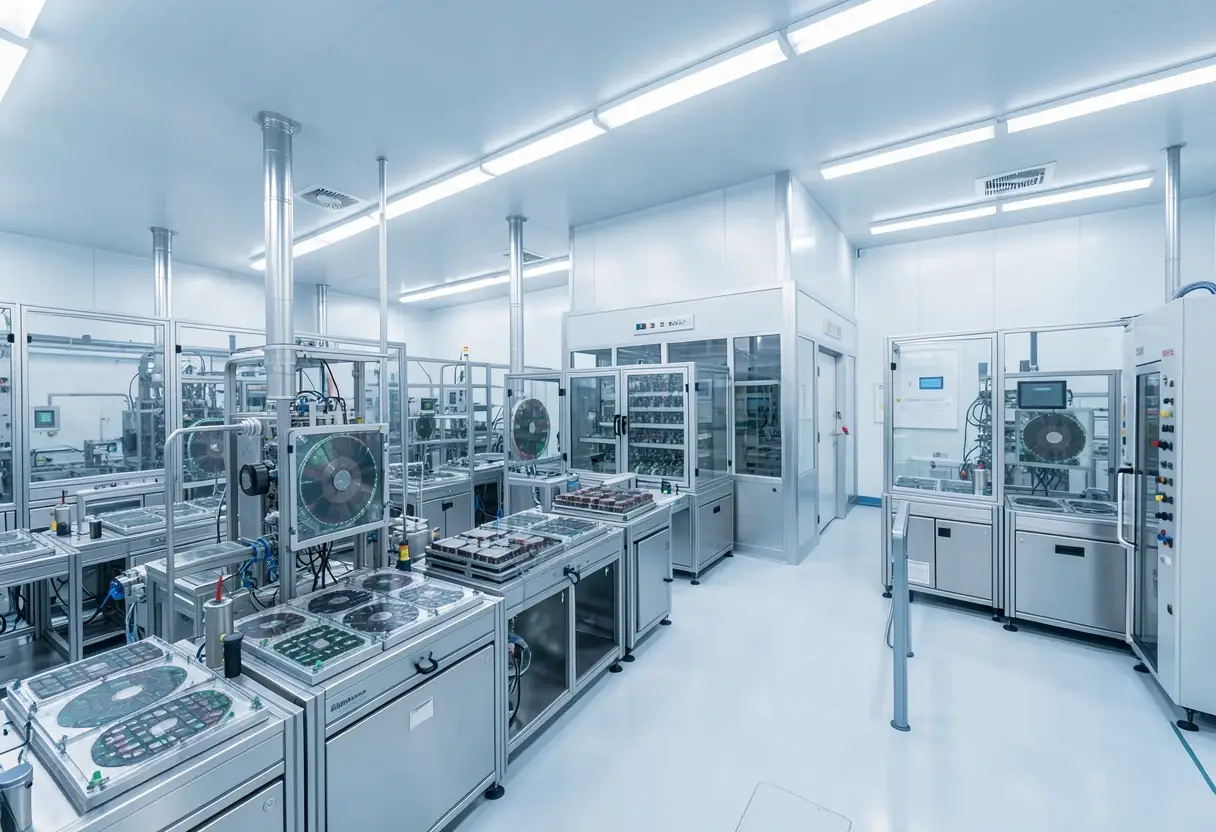
Nexperia, one of the biggest suppliers of the basic semiconductors cars run on, is "totally oversubscribed" as foundries and packaging houses divert capacity toward AI data centres — and the automotive industry, in its interim CEO's words, is "suffering at the moment quite heavily."
Stefan Tilger told Reuters at the Electronica trade fair in Munich that competitors are pulling out of the commodity chips Nexperia supplies: diodes, transistors and other mature-node components. The most lucrative demand now comes from AI data centres and robotics. Years of underinvestment in mature technology have compounded the bottleneck.
This is not 2021 rerun. The pandemic shortage was a disruption problem. This one is a price problem, and automakers can't win a bidding war against data-centre customers who don't care what chips cost.
How far upstream does the squeeze sit?
Further than the GPU makers, according to STMicroelectronics CEO Jean-Marc Chery. "We see many bottlenecks," he told a panel of chip industry chiefs ahead of the fair, warning that some foundries and assembly and packaging firms that once served a broad customer base "are disengaging […] from mainstream technology."
Chery argued STM's own fabs offer cover: "We control a part of our future with our CapEx and our manufacturing." That's the structural fault line in this story. Integrated manufacturers can allocate their own capacity; much of the mature-node market depends on contract foundries and packaging houses free to chase better margins. As they withdraw, automotive demand piles onto the few specialists left.
Nexperia's oversubscription, in other words, measures how few alternatives automakers have — not how strong the company is.
What are automakers doing about it?
Some are buying their way toward capacity of their own, mostly in China. The most prominent Western example is Tesla, whose Terafab project is explicitly framed to investors as a bid for independence from third-party chip suppliers — though Tesla still courts firms like Intel to handle the difficult parts of designing and running a wafer fab. Independence, it turns out, has consultants.
The cost pressure has already reached tier ones. Aumovio, which supplies sensors, cameras and in-vehicle electronics to BYD, BMW and Ford, expects its chip costs to "explode" next year. "There's no price sensitivity whatsoever in that area," said interim finance head Claus Bauer. "All of our suppliers in that regard could sell twice their capacity to this very lucrative, non-price-sensitive area."
Where is production already hurting?
Stellantis blamed a shortage of engine control unit chips for halting Fiat 500 output at Mirafiori and warned Pandina production could be disrupted into December. Worth noting: there's reason to believe those halts owe more to soft product demand than to any supply-side shortfall. Chip shortages make convenient cover.
The underlying arithmetic is bleak. Automotive takes less than 10% of global DRAM demand — a rounding error next to data-centre volumes. Automakers carry little weight with suppliers, and the resilience strategies built after the pandemic won't help much: buffer stocks were designed for disruption, not displacement.
This crunch won't look like 2021, when empty dealer forecourts made the shortage impossible to miss. It will arrive as higher component costs, de-contented vehicles and delayed driver-assistance features — a slow erosion of margins and product competitiveness that's easier to overlook and much harder to reverse.
What to watch next: whether more foundries follow the retreat from mainstream nodes, how far Aumovio's predicted cost explosion spreads across the tier-one base in 2026, and whether Tesla's Terafab moves from investor framing to concrete capacity.
via Automotive World (Source)
More from Daniel Okafor
Show full bio
Senior reporter covering regulation, policy and their impact on Automotive manufacturing and vehicle production at Autoplant Brief.
330 articles
Also circulated
- Nexperia crisis threatens global auto production lines
- Major auto suppliers turn to AI to navigate supply-chain woes
- GlobalFoundries to spend $21 billion on New York fabs under US-Japan deal
- CADDi raises $114 million to expand manufacturing AI platform
- ST Aims 2 Million Developers at Zonal Car Compute With STM32A