ECO-8764 · REV G · effective October 27, 2026
Auto Industry PolicyAPPROVEDEngineering notice
India Opens Certification Path for E100 Flex-Fuel Vehicles
MoRTH amends the Central Motor Vehicles Rules, 1989 to certify E85 and E100 flex-fuel vehicles, after Maruti Suzuki launched the Wagon R FFV in June.
Scope of change
- MoRTH amended the Central Motor Vehicles Rules, 1989 to certify E85 and E100 flex-fuel vehicles.
- E85 contains up to 85% ethanol by volume; E100 is predominantly ethanol.
- Maruti Suzuki launched the Wagon R FFV, its first any-blend flex-fuel model, in June.
- Flex-fuel technology is already deployed at scale in Brazil and the US, MoRTH said.
- The rule requires no conversion or high-ethanol fuel use by owners of existing vehicles.
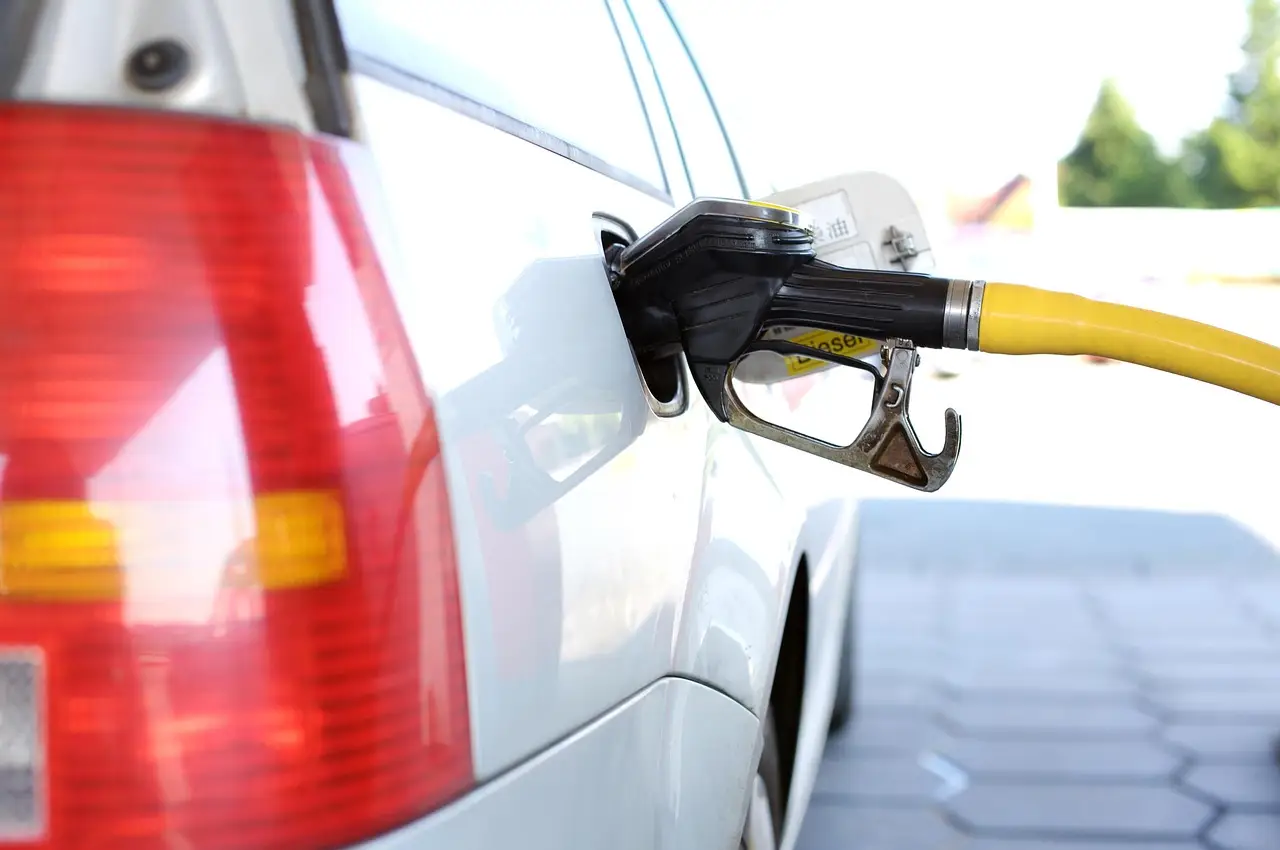
India's Ministry of Road Transport and Highways (MoRTH) has amended the Central Motor Vehicles Rules, 1989, to allow certification of flex-fuel vehicles running on E85 and E100 — the first regulatory opening for pure-ethanol-certified passenger vehicles in the country. The move follows Maruti Suzuki's June launch of the Wagon R FFV, the first Suzuki model built to run on any ethanol-petrol blend.
The amendment expands emission-certification provisions that previously covered E85 to explicitly include E100, fuel consisting predominantly of ethanol. E85 is a petrol-ethanol blend containing as much as 85% ethanol by volume. Manufacturers seeking certification must show their vehicles meet the applicable safety and emissions standards for their category.
What does the rule actually require?
Very little, for now — and that is the point. The revised framework applies only to vehicles engineered and certified for these fuels. It does not require owners of existing vehicles to convert or use high-ethanol fuels.
MoRTH stressed one caveat clearly: compatibility with E10 or E20 does not mean a vehicle can safely use E85 or E100. Motorists should check fuel-compatibility labels and follow the owner's manual before selecting a fuel grade. That warning matters in a market where E20 rollout is still ongoing and misfueling risks are real.
The notification also revises biodiesel-related provisions and introduces technical corrections to the Central Motor Vehicles Rules.
How does the technology work?
Flex-fuel vehicles use fuel-system materials designed for higher ethanol concentrations. Engine-management systems detect the blend in a single fuel tank and automatically adjust combustion settings, so drivers do not choose between fuels at the pump.
MoRTH noted the technology is already deployed at scale in Brazil and the US. That claim is accurate as far as it goes, though neither market offers a precise template for India's feedstock mix or fuel retail infrastructure.
What are the claimed benefits?
MoRTH said increased consumption of domestically produced ethanol could reduce India's reliance on imported crude oil. It could also lower certain tailpipe pollutants and reduce lifecycle greenhouse gas emissions. The ministry itself attached a condition: the environmental outcome depends on the ethanol feedstock and production process. Ethanol from sugarcane molasses, India's dominant feedstock, carries a different emissions profile than alternatives.
Where does Maruti Suzuki fit?
In June, Maruti Suzuki India launched the Wagon R FFV, presented by the Indian arm of Suzuki Motor as a way to cut particulate matter emissions and improve local air quality. The company framed flex-fuel within a wider powertrain strategy spanning hybrids, battery electric vehicles, compressed natural gas and compressed biogas. One model does not make a segment; certification rules alone do not create fuel supply.
What to watch next: which OEMs file for E100 certification, how quickly ethanol-blended fuel retail expands beyond E20 pumps, and whether Brazil-scale flex-fuel adoption materializes or the program stalls at demonstration volume.
via just-auto (Source)
More from Amara Osei
Show full bio
Market editor covering technology and product news in Automotive manufacturing and vehicle production at Autoplant Brief.
286 articles
Also circulated
- Suzuki to launch e SKY mini EV in Japan on 16 November with 310 km range
- UK adopts Euro 7 from November 2027 with EV battery lifespan rules
- CAFE-III Rules Give Automakers the Investment Clarity They Sought
- Looser Fuel Rules Take Pressure Off US Automakers on EVs
- T&E Rejects Carmakers' Case for Softening UK ZEV Mandate