ECO-9720 · REV O · effective October 30, 2026
Auto Industry PolicyAPPROVEDEngineering notice
UK adopts Euro 7 from November 2027 with EV battery lifespan rules
UK adopts Euro 7 from November 2027: batteries must hold 80% capacity after five years or 100,000 km, with brake and tyre particle limits added.
Scope of change
- UK applies Euro 7 to all new car and light van registrations from November 2027.
- EV batteries must retain 80% capacity after five years or 100,000 km; 72% after eight years or 160,000 km.
- Diesel NOx limits align with petrol at 60 mg/km, with durability required over 10 years or 200,000 km.
- Small-volume makers under 2,500 vehicles per year have until 1 July 2030.
- Trucks and buses: new types May 2028, all new registrations May 2029.
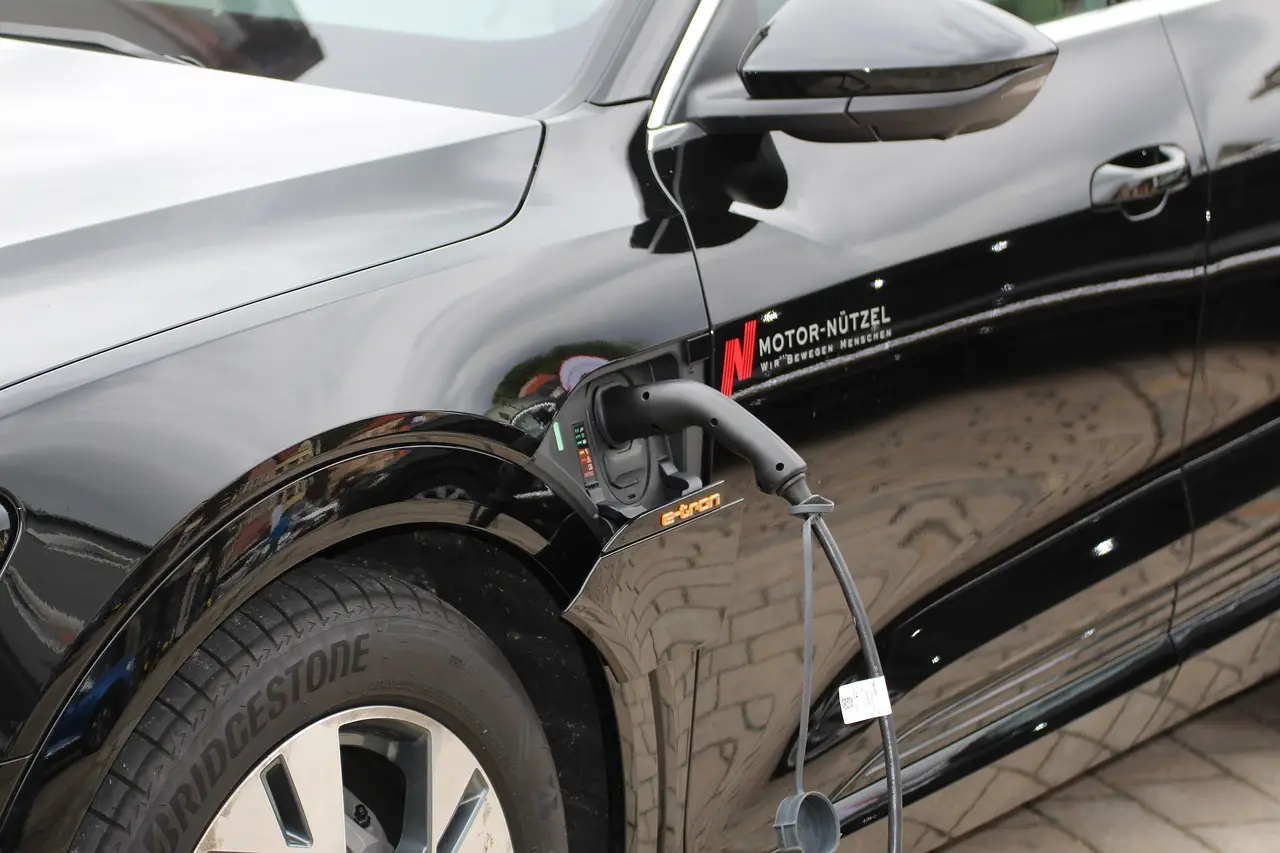
From November 2027, every newly registered passenger car and light commercial vehicle in the UK must comply with the EU's Euro 7 standard. The UK is adopting the rules wholesale, based on existing EU and UNECE standards. That means no separate UK-specific testing regime for manufacturers.
The date is fixed and confirmed for cars and light vans. New truck and bus types follow in May 2028, with all new truck and bus registrations covered by May 2029. Small-volume manufacturers, building fewer than 2,500 vehicles per year, get until 1 July 2030.
What changes for electric vehicles?
For the first time, the standard reaches beyond exhaust emissions. Euro 7 sets mandatory limits on brake and tyre wear particles, two growing sources of non-exhaust pollution. Batteries face the strictest new requirements.
The numbers are explicit:
- Battery-electric and plug-in hybrid passenger cars must retain at least 80% of original battery capacity after five years or 100,000 kilometres.
- A floor of 72% applies after eight years or 160,000 kilometres.
- Brakes will face fixed particulate matter limits.
- Tyre wear limits will phase in gradually to curb microplastic pollution.
The battery rules protect used car buyers from sharply reduced driving ranges. They also reduce the risk of premature battery replacement, a cost that has shadowed the second-hand EV market since its inception.
Who wins and who carries the burden?
Electric vehicles hold an advantage on brake wear. Regenerative braking recovers a large portion of braking energy, so mechanical brakes wear less. On tyre wear, the picture reverses. Heavier, larger electric vehicles will feel the limits most, because vehicle weight and tyre width significantly drive particulate output.
The regulation also requires manufacturers to install standardised battery state-of-health monitors, known as SOH. These on-board systems give buyers a common yardstick for battery condition across manufacturers, models and powertrains. That transparency matters for the used market, where battery condition claims have been largely unverifiable until now.
What happens to combustion engines?
Euro 7 tightens diesel rules. Nitrogen oxide limits for diesel passenger cars align with petrol limits at a maximum of 60 mg/km. Emissions compliance must now hold for ten years or 200,000 kilometres in real-world driving conditions, a durability demand that stretches well beyond current obligations.
What stays the same?
Existing vehicles face no changes. Environmental zones such as London's ULEZ remain unchanged for the time being. That phrasing leaves room for future adjustments, though nothing is confirmed.
The adoption's central trade-off is simplicity: by mirroring EU and UNECE rules, the UK avoids fragmenting type approval for global manufacturers. The claim that no additional UK testing is needed rests on regulators keeping the two rulebooks aligned over time; divergence would erode that benefit quickly.
What to watch next: how manufacturers certify SOH monitors ahead of November 2027, whether tyre wear limits land on the gradual timeline promised, and whether ULEZ and other zones gain new Euro 7-linked entry rules once the standard takes effect.
via electrive (Source)
More from Amara Osei
Show full bio
Market editor covering technology and product news in Automotive manufacturing and vehicle production at Autoplant Brief.
286 articles
Also circulated
- T&E Rejects Carmakers' Case for Softening UK ZEV Mandate
- UK to ease ZEV mandate for 2027-2035 — but only at the margins
- EU weighs tariff-rate quotas on China-made hybrids as imports surge 13-fold
- Paris and Berlin Align to Soften EU Tailpipe Emissions Rules
- Looser Fuel Rules Take Pressure Off US Automakers on EVs