Effective November 29, 2026
Powertrain ProductionEngineering notice
Hyundai's HTWO Guangzhou tops foreign fuel cell sales in China
Hyundai's HTWO Guangzhou, a 6,500-system-per-year fuel cell plant completed in 2023, now ranks first among foreign fuel cell sellers in China, with 1,267 subsidized vehicles deployed and expansion planned.
Scope of change
- HTWO Guangzhou has annual capacity of 6,500 fuel cell systems and was completed in June 2023
- Only foreign-invested company in China producing MEA, the core fuel cell component, locally
- 1,267 fuel cell vehicles deployed to date, all subsidized by China's central government
- 2024 deliveries included systems for 240 buses and 320 18-ton trucks
- Bay Area pilot approved August 2024 targets 16,000 fuel cell vehicles and 100 hydrogen stations over four years
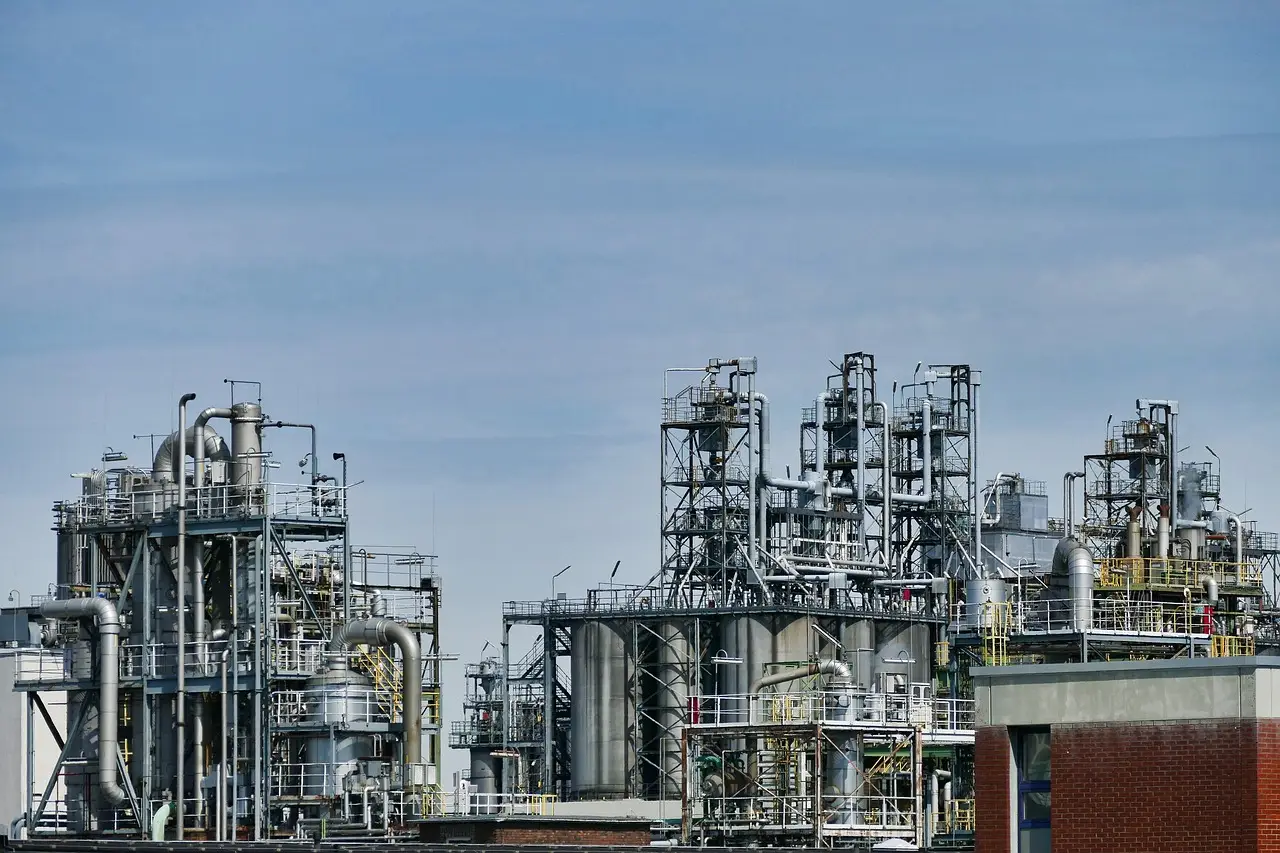
A 6,500-unit annual capacity fuel cell plant in Guangzhou has carried Hyundai Motor Group to the No. 1 spot among foreign-invested fuel cell system sellers in China — a market with roughly 100 local competitors.
HTWO Guangzhou, completed in June 2023 in the Guangzhou Development Zone in Huangpu District, Guangdong Province, covers 202,000 square meters and runs R&D through production and sales. About 240 people work there. Last year the site ranked third in total fuel cell system sales in China and first among foreign-funded firms, with cumulative deployments passing 1,200 vehicles — more than 900 of them delivered in 2024 alone.
What does the plant actually make?
It's not an assembly shop. HTWO Guangzhou is the only foreign-invested company in China with a local membrane electrode assembly (MEA) production line — the core component that generates electricity through the electrochemical reaction of hydrogen and oxygen.
That status comes with strings. Korea designated hydrogen fuel cell technology a national core technology under the Industrial Technology Protection Act in May 2023. So the plant runs metal detectors, restricts phone photography, and requires white gowns and shoe covers to keep contaminants out of the cleanroom-style production areas.
The MEA line holds temperature at 22 degrees and humidity between 25 and 45 percent. Thin films are laminated to both sides of the membrane, stabilized with heat and pressure, defect-inspected, then fitted with carbon gas diffusion layers. Materials loading and final inspection aside, the main processes are automated.
One takeaway: Hyundai is manufacturing the core stack component in China, not importing it.
How the stacks get built — and kept safe
Finished MEAs move to stack assembly, where 220 fuel cells are stacked into a 50 kW stack, and two stacks combine into a 100 kW system. Robots handle stacking, fastening and inspection, with autonomous mobile robots (AMRs) ferrying finished stacks between stations.
Hydrogen gets its own building. The activation process — which runs hydrogen and air through the stack to verify electrochemical performance — sits in a separate structure linked by an elevated bridge, walled off with fire barriers rated for two to four hours of fire resistance. Emergency escape routes sit within 25 meters of the work zone.
Sensors trigger forced ventilation and automatic hydrogen shutoff, and airborne hydrogen concentration is kept below 0.4 percent — a tenth of the 4 percent lower combustion limit. The plant says no hydrogen-related incident has occurred since completion. Electricity generated during activation is recovered and reused, and solar covers 45 percent of the site's power demand. Each system passes roughly 100 inspection items before shipment, with unit-specific serial tracking.
Why commercial vehicles are the whole game
Hyundai built its hydrogen R&D organization in 1998 and mass-produced the world's first fuel cell electric vehicle, the Tucson ix, in 2013. It signed a cooperation agreement with Guangdong Province in 2019 and broke ground in 2021.
China's fuel cell market skews commercial, so HTWO does too. Last year it supplied systems for 240 Guangzhou city buses and 320 18-ton logistics trucks, and developed a 49-ton heavy tractor with a local partner.
In-ki Kim, the site's business lead, noted an irony that deserves bold type: Hyundai is a wholly foreign-owned company, yet all 1,267 fuel cell vehicles deployed to date qualified for Chinese central government subsidies.
The pipeline is expanding. The Greater Bay Area hydrogen demonstration cluster, which includes Guangzhou, won approval for its second-phase pilot in August 2024. The plan targets 16,000 fuel cell vehicles and 100 new hydrogen refueling stations over the next four years. HTWO Guangzhou intends to push beyond road transport into ships, aircraft and emergency power supply.
General Manager Du-ha Choi framed the result as proof that Korean hydrogen technology holds up globally, telling reporters the China performance would be used to refine technology and business models "based on China's market scale and diverse commercial vehicle operating environments," and to strengthen both the group's global hydrogen competitiveness and Korean industry's export prospects.
Verbatim translation or not, the message is the standard one: win in China, then sell the playbook elsewhere.
Watch next: whether the 16,000-vehicle Bay Area pilot translates into firm orders, and how quickly the marine and aviation business actually materializes.
via news.jkn.co.kr (Source)
More from Daniel Okafor
Show full bio
Senior reporter covering regulation, policy and their impact on Automotive manufacturing and vehicle production at Autoplant Brief.
386 articles
Also circulated
- Hyundai's HTWO Guangzhou Signs Hydrogen Mobility MOU With Air Liquide China
- Hyundai's HTWO Guangzhou and Air Liquide China sign hydrogen mobility MoU
- South Korea slashes Hyundai EV plant rebuild permit window to one year
- Xiaomi Registers New Subsidiary for EV Battery Powertrain Production
- Hyundai's 2027 China Ioniq SUV Will Swap Batteries at CATL Stations