Effective November 27, 2026
Powertrain ProductionEngineering notice
Audi files E7X range extender for China MIIT approval
Audi’s 5.05-metre E7X range extender entered MIIT review with a 165-kW motor, 105-kW petrol generator and CATL cells, while final battery capacity and combined range remain undisclosed.
Scope of change
- Audi submitted the 5.05-metre E7X range extender to MIIT; it would be AUDI’s first range-extender model.
- Electric motor output is 165 kW continuous and 244 kW peak; the 1.5-litre petrol generator rates 105 kW.
- MIIT lists a 3.06-metre wheelbase and curb weights of 2,560 kg and 2,590 kg.
- The 900-volt battery-electric E7X debuted at end-April 2026 with 100 or 109 kWh CATL batteries and up to about 750 km range.
- Entry-level battery-electric prices run from €34,200 to €45,600; range-extender pricing remains unconfirmed.
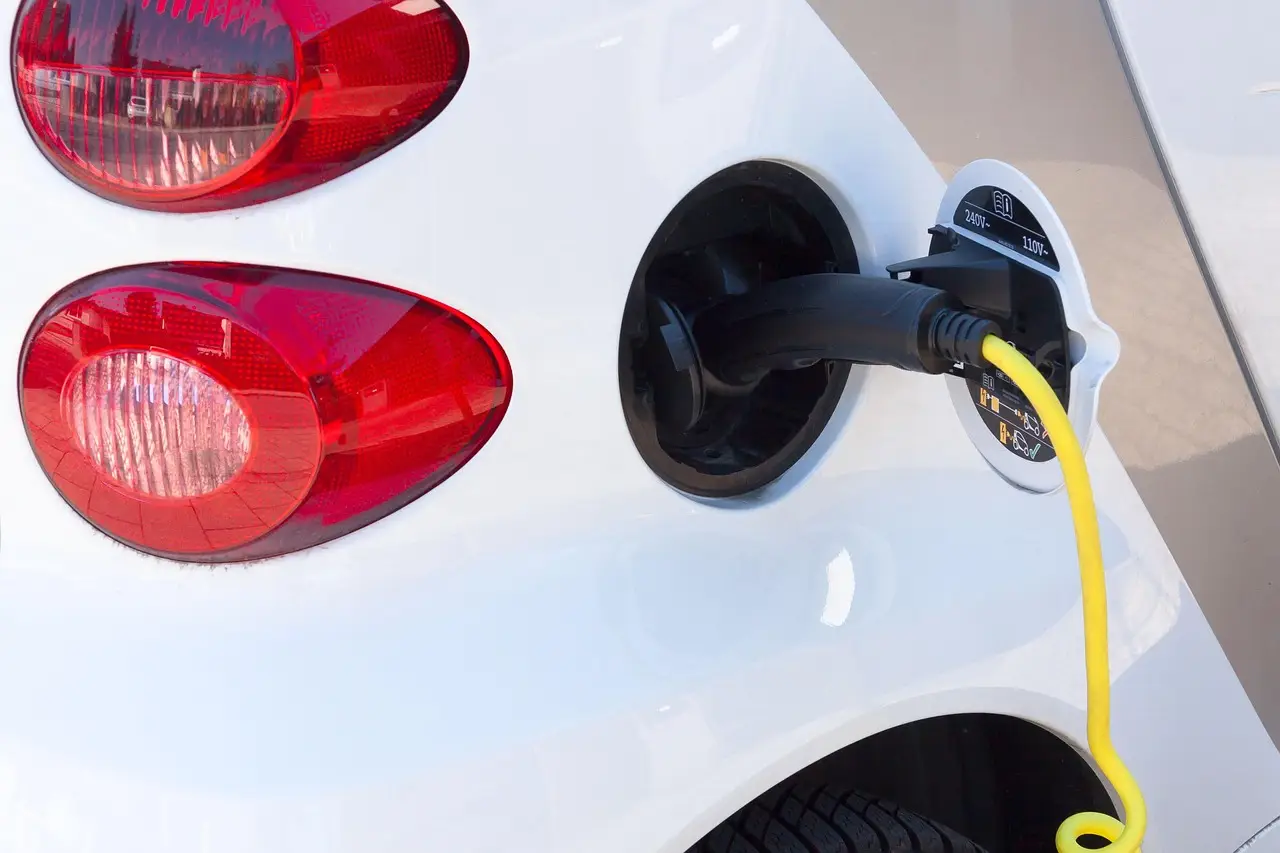
Audi’s 5.05-metre E7X range extender pairs a 165-kW electric motor with a 1.5-litre, 105-kW petrol engine used as a generator, and Audi has filed the SUV with China’s Ministry of Industry and Information Technology (MIIT) for approval. Autohome reported the application and said it had made the E7X range extender’s first key specifications public.
It would become the first range-extender model from AUDI, the China-market sub-brand that presents its badge without the four rings. The filing establishes the proposed powertrain and dimensions, but it does not yet confirm final specifications, pricing or launch timing.
The filing changes the E7X’s power unit substantially without materially changing its body. Instead of the battery-electric model’s 300-kW rear motor, the range extender uses a motor rated at 165 kW continuous and 244 kW peak output.
The 1.5-litre petrol engine delivers 105 kW while serving as the generator, and the range-extended SUV’s maximum speed is 205 km/h. The electric motor charges the battery while the vehicle is moving, while an external power cable provides a second charging option.
Two operating figures remain absent: traction-battery capacity (the battery supplying the electric motors) and the distance available with a full tank and battery. MIIT’s filing identifies a ternary lithium battery using cells from SAIC-CATL Power Battery Co. Ltd., and confirms charging through the engine or the external cable.
What does the range extender change for buyers?
It gives buyers an engine-assisted electric option while retaining essentially the same exterior package and external charging capability. The filing does not support a firm purchase-cost or operating-cost comparison because it provides no battery capacity, full-tank-plus-battery range or fuel-consumption figures.
Audi has kept the packaging changes to a minimum:
- Overall length grows by 5 mm to approximately 5.05 m.
- Width remains 2.00 m, height 1.71 m and wheelbase 3.06 m.
- MIIT lists curb weight at 2,560 kg and 2,590 kg.
- Buyers can choose 21-inch or 22-inch wheels.
MIIT gives two curb-weight figures without explaining the configuration split. The engine and fuel tank make those weights more consequential for the range extender than the otherwise minimal exterior change.
Where the range extender sits against the battery-electric E7X
The battery-electric E7X debuted at the end of April 2026, with entry-level prices ranging from €34,200 to €45,600. Its 900-volt electrical architecture supports either a 300-kW rear-wheel-drive version with a 205 km/h top speed or a 500-kW all-wheel-drive version rated at 230 km/h.
CATL battery options measure 100 or 109 kWh, and the battery-electric versions offer up to roughly 750 km under China’s measurement cycle. Those figures belong only to the battery-electric E7X; MIIT has not published the range extender’s traction-battery capacity.
Capacity and pricing remain estimates
Autohome expects a smaller battery in the range extender because the engine and fuel tank add weight. It places typical packs for large Chinese SUVs with range extenders at about 40-65 kWh, but that segment figure is not a disclosed E7X specification.
The report also expects a slightly lower price than for the battery-electric E7X. Neither the capacity estimate nor the likely discount appears in the approval application, so both remain uncommitted market expectations.
What to watch next is MIIT sign-off, disclosure of the traction-battery capacity and combined tank-and-battery range, and confirmation of pricing and launch timing. Until those points arrive, the E7X range extender remains an approval-stage proposal, not a confirmed production specification, despite its defined motor output and near-identical dimensions.
via electrive (Source)
More from Marcus Bennett
Show full bio
News editor covering regulation, policy and their impact on Automotive manufacturing and vehicle production at Autoplant Brief.
355 articles
Also circulated
- Aiva ME7 surfaces in MIIT filings as Seres-backed brand nears production
- 'Briefcase' Engine Concept Signals Potential EV Strategy Shift
- Nissan opens NX7 PHEV presales in China at CNY 129,900
- Iveco Bus lifts battery pack capacity 16%, targets Q2 2027 rollout
- Magna and ZF Bet Range Extenders Bridge the EV Transition Gap