Effective November 25, 2026
EV Manufacturing TransitionEngineering notice
Iveco Bus lifts battery pack capacity 16%, targets Q2 2027 rollout
Iveco Bus raises battery pack capacity from 69 to 80 kWh in the same dimensions, promising 100 km extra range and up to 17% TCO savings, with first deliveries in Q2 2027.
Scope of change
- Battery pack capacity rises from 69 to 80 kWh with ~15% higher energy density
- First vehicles with the new generation deliver in Q2 2027
- E-Way total capacity spans 320–720 kWh across four to nine packs
- GX 337 Elec TCO could drop up to 17% over 15 years; warranty extends to 15 years
- Comes weeks after Tata Motors completed its €3.91bn Iveco Group acquisition
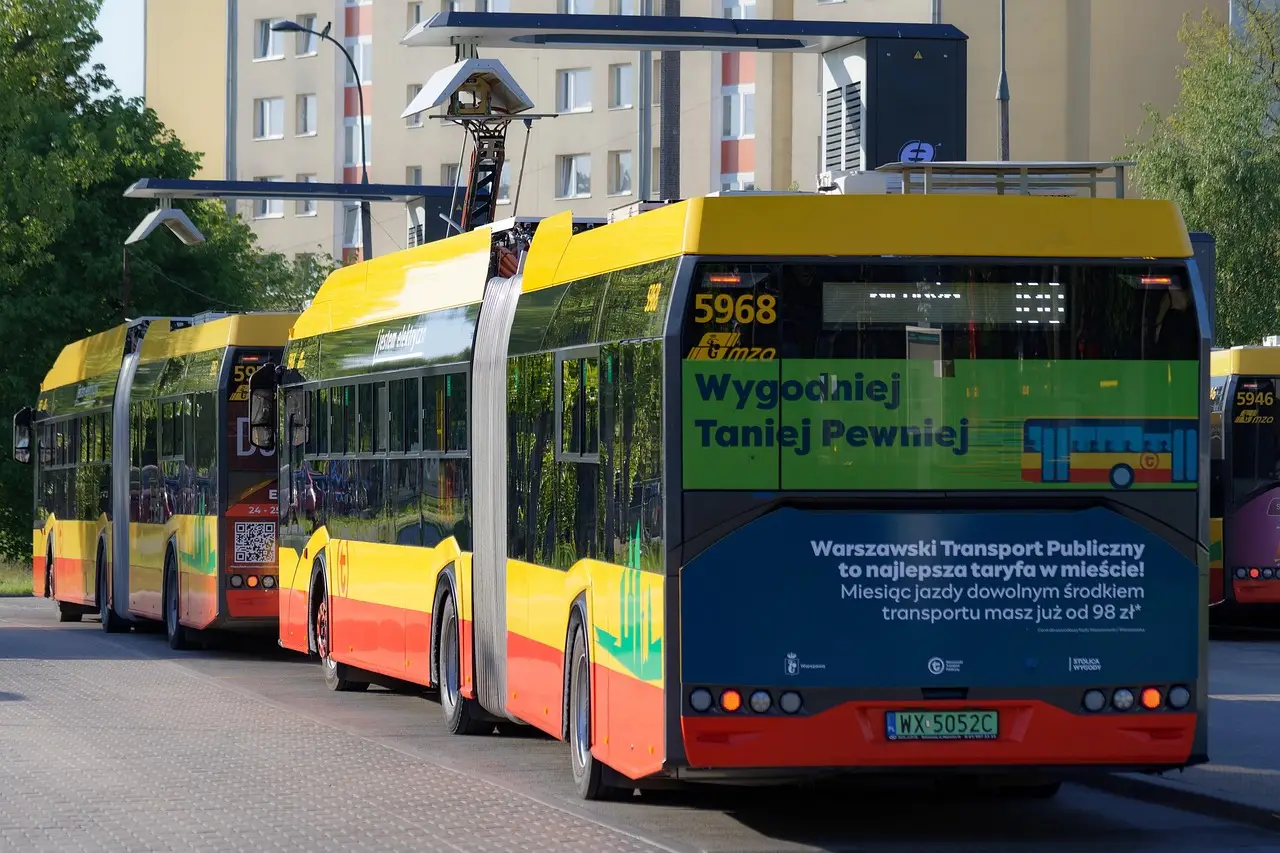
Iveco Bus will lift capacity per battery pack from 69 to 80 kWh — a 16% jump inside the same pack dimensions — with first vehicles fitted to the new generation scheduled for delivery in the second quarter of 2027.
The upgrade covers the E-Way electric city bus series, sold as midi, solo and articulated variants, and the Crossway intercity line, including the Low-Entry version. The manufacturer continues with nickel-manganese-cobalt (NMC) cell chemistry, the chemistry already in its electric vehicles, and claims improved energy density of around 15% through optimised design and improved modules.
E-Way operators can spec four to nine packs, giving total capacities of 320 to 720 kWh. In 12-metre models, Iveco Bus expects up to 100 kilometres of additional range from the new generation.
What does the change mean for operators?
More configuration flexibility, mainly. Iveco Bus says the previous range is now achievable with one battery pack less, depending on the usage profile — freeing space for increased passenger capacity.
The intercity options stack up as follows:
- Crossway Low Entry Elec: four to seven packs, 320 to 560 kWh total, with the manufacturer promising up to 100 km of additional range
- Crossway Elec: three to six packs, 240 to 480 kWh total
The company also extends the battery warranty option to up to 15 years. TCO math follows from the hardware change: by cutting pack count and eliminating a mid-life battery replacement, the Total Cost of Ownership (TCO) of the GX 337 Elec could fall by up to 17% over a 15-year period, according to Iveco Bus.
Safety and compliance
The new batteries meet UNECE Regulation R100.4, the current European vehicle-electrical-safety standard, ahead of requirement. Iveco Bus added extra functions: a warning triggers in standby mode if thermal runaway (an uncontrolled cell overheating event) is detected, and each battery module carries a fire suppression system that releases extinguishing agent in a fire.
Two gaps remain. The manufacturer has not disclosed absolute ranges for individual models, nor the specific conditions attached to the extended warranty. Treat the range and TCO figures as manufacturer claims until vehicles reach operators.
Context: Tata's timing
The announcement lands weeks after Tata Motors completed its roughly €3.91 billion acquisition of Iveco Group in early November. The Indian commercial vehicle manufacturer and Iveco say they will combine supplier networks and industrial capacity to expand electromobility solutions worldwide and push zero-emission commercial vehicle development.
What to watch next: the Q2 2027 delivery date — and whether the first E-Way units confirm the claimed range gains under real duty cycles.
via unece.org (Original)
More from Grace Kim
Show full bio
Staff writer covering people, launches and day-to-day practice in Automotive manufacturing and vehicle production at Autoplant Brief.
322 articles
Also circulated
- Daimler Buses targets 2028 for first ground-up electric eCitaro
- LA Metro Orders 200 Electric Buses from ENC in $337.7M Deal
- Mercedes eCitaro goes dedicated BEV platform from 2028
- Delhivery to add up to 2,000 electric LCVs from Tata, Euler and Montra
- Daimler Buses' ELCH Demonstrator Passes 500 km Test Drive