Effective November 25, 2026
EV Manufacturing TransitionEngineering notice
Karsan to build 35 trolleybuses for Bologna operator TPER
Karsan will build 35 IMC-equipped 18-metre trolleybuses for Bologna operator TPER, raising its local battery-electric fleet to 59 units, with a contract option to reach 94.
Scope of change
- Karsan will build 35 trolleybuses for Bologna operator TPER, via Italian dealer Kmobility
- Karsan battery-electric vehicles in TPER's fleet rise from 24 to 59; option could lift the total to 94
- 18-metre e-ATA trolleybus carries up to 146 passengers with four doors and full low-floor design
- IMC technology charges onboard batteries from overhead lines while driving; 500 kW power and 22,000 Nm torque claimed
- External DC charging supported at up to 200 kW
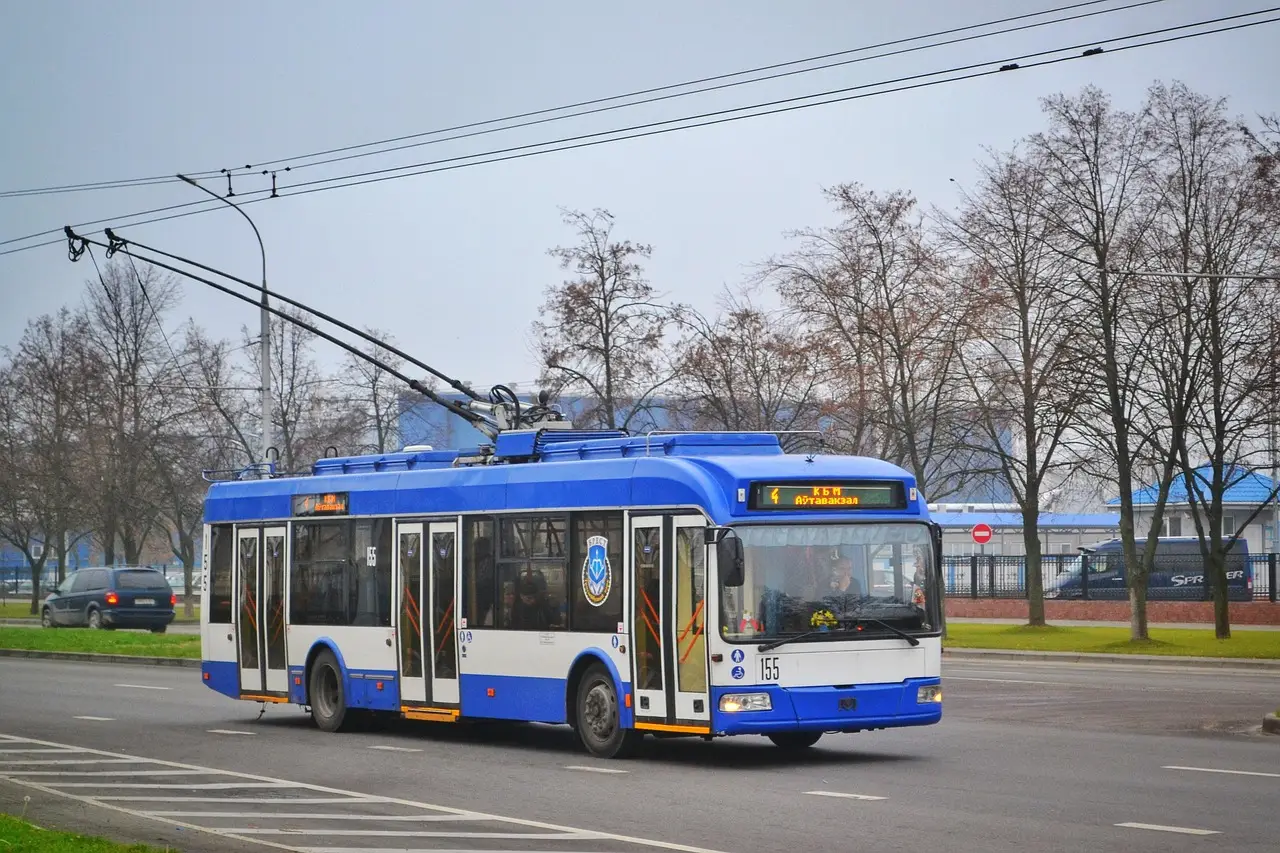
Turkish bus maker Karsan will build 35 trolleybuses for Bologna's public transport operator TPER, lifting its battery-electric fleet in the Italian city from 24 to 59 vehicles. If TPER exercises the contractual option in the tender, the figure could reach 94 units.
Karsan entered the procurement through its Italian dealer, Kmobility, and won the order against a background of an already established relationship. TPER runs 24 Karsan electric buses in daily service today. The trolleybus contract extends that base rather than opening a new account.
What is Karsan actually supplying?
The order covers an 18-metre articulated trolleybus built on the e-ATA platform. The vehicle uses In-Motion Charging (IMC), a configuration in which the bus draws power directly from overhead catenary lines while simultaneously recharging its onboard traction batteries. The practical effect: the vehicle can leave the wired corridor and run short distances on battery alone, covering sections of route without overhead infrastructure. It works like a conventional trolleybus under the wires and like a battery-electric bus away from them.
For Bologna, Karsan specifies capacity for up to 146 passengers. The manufacturer states higher capacities are possible depending on customer requirements. The 18-metre trolleybus carries four doors and a fully low-floor layout, the standard arrangement for high-capacity urban articulated vehicles in European tender specifications.
What are the performance figures?
According to the manufacturer, the overhead line configuration delivers up to 500 kW of power and a maximum torque of up to 22,000 Nm. For context, that torque figure sits in the range typical of heavy articulated electric buses, where peak torque far exceeds anything a comparable diesel driveline produces.
The vehicle also supports external DC charging at up to 200 kW, in addition to charging from the catenary. That dual charging route gives the operator flexibility in depot planning: buses can top up away from wired infrastructure overnight or during layovers.
What to watch next
Three signals will confirm whether this contract matures into a production milestone. The first is whether TPER exercises the option that would take the Karsan fleet to 94 units — an option of 35 additional vehicles on a 35-unit base order. The second is the delivery schedule: Karsan has announced the win but has not yet published timing for first vehicle handover. The third is the IMC architecture itself — Bologna's uptake of 146-passenger catenary-battery hybrids is a concrete data point on whether Italian operators move toward hybrid trolleybus technology rather than pure battery-electric on high-frequency corridors.
via electrive (Source)
More from Sophie Lindqvist
Show full bio
Correspondent covering money, funding and market shifts around Automotive manufacturing and vehicle production at Autoplant Brief.
346 articles
Also circulated
- Karsan wins 110-bus Milan electric order worth around €76 million
- Akia lands 50-bus electric order from Istanbul's IETT, production set for 2027
- Iveco Bus lifts battery pack capacity 16%, targets Q2 2027 rollout
- Daimler Buses' ELCH Demonstrator Passes 500 km Test Drive
- Delhivery to add up to 2,000 electric LCVs from Tata, Euler and Montra