ECO-7906 · REV S · effective November 10, 2026
Suppliers & Tier-1sAPPROVEDEngineering notice
Hyundai's HTWO Guangzhou and Air Liquide China sign hydrogen mobility MoU
Hyundai's first overseas fuel cell plant, HTWO Guangzhou, signs an MoU with Air Liquide China to build an integrated hydrogen mobility model for logistics hubs and trunk routes.
Scope of change
- HTWO Guangzhou, Hyundai's first overseas fuel cell system production base, signed a hydrogen mobility MoU with Air Liquide China
- Hyundai Motor Group and Air Liquide have cooperated on hydrogen since 2018
- The MoU targets hydrogen commercial vehicle deployment at logistics hubs and on trunk routes
- HTWO launched in Japan in March this year as part of Hyundai's global hydrogen solutions push
- No investment amount, capacity figure or timeline was disclosed
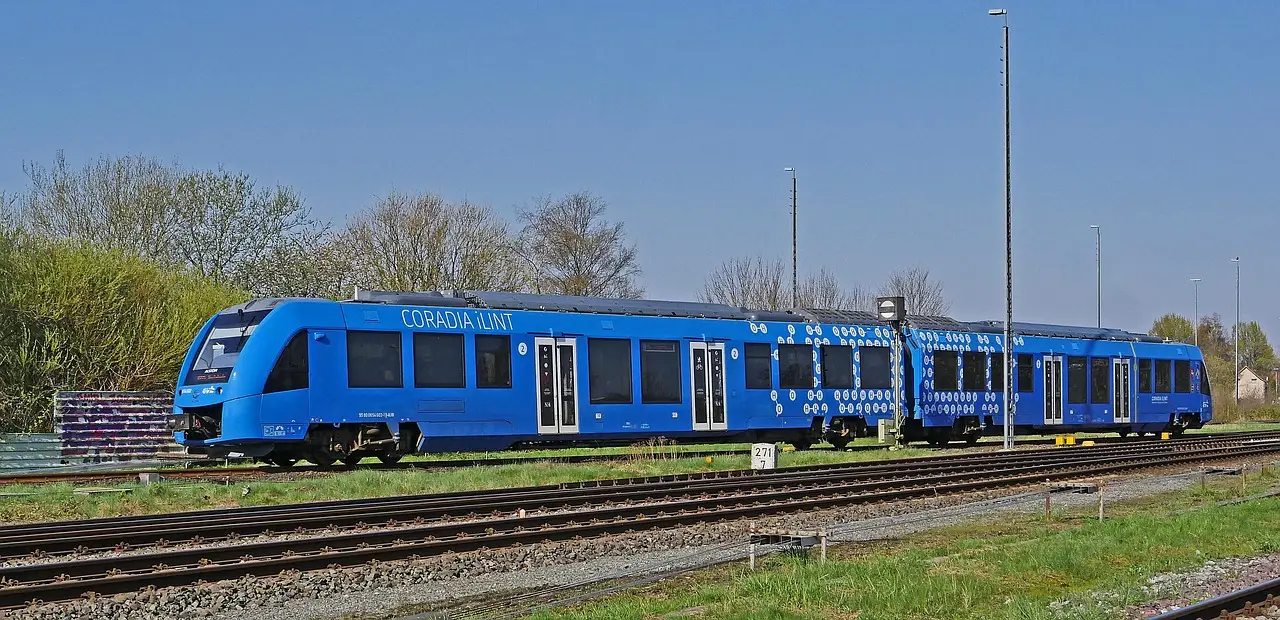
Hyundai Motor Group's first overseas fuel cell production base, HTWO Guangzhou, has signed a memorandum of understanding with Air Liquide China covering hydrogen mobility across the Chinese market. The MoU is an exploration pact, not a confirmed capacity or investment plan — but it extends a Hyundai–Air Liquide hydrogen relationship that dates to 2018.
Under the agreement, the two companies will study cooperation along the entire hydrogen mobility value chain. HTWO Guangzhou brings hydrogen fuel cell system technology. Air Liquide China contributes hydrogen production, storage, transport and infrastructure construction, including the manufacture, installation and operation of refuelling stations.
What does the deal actually cover?
The stated scope runs wider than technology exchange:
- An integrated demonstration model linking vehicle transport, charging infrastructure and hydrogen supply, built with other participants in China's hydrogen industry ecosystem
- Operating models connecting hydrogen supply with deployment of hydrogen commercial vehicles at logistics hubs and on trunk routes
- Measures to improve commercial viability, including lowering total cost of ownership (the full cost of running a vehicle — purchase, fuel, maintenance)
- Business models tailored to China's hydrogen commercial vehicle market and its logistics sector
HTWO Guangzhou general manager Choi Doo-ha framed the ambition in a statement: "Through this collaboration, we plan to explore a hydrogen value chain business model that links vehicle transportation, charging infrastructure, and hydrogen supply, and contribute to the Chinese hydrogen mobility industry."
Two suppliers, complementary tiers
HTWO Guangzhou handles research, development, production and sales of hydrogen fuel cell systems. The Guangzhou base is Hyundai's first fuel cell system production site outside Korea. It develops products for China's hydrogen commercial vehicle market and is expanding into hydrogen logistics and commercial vehicles.
Air Liquide China sits upstream. It produces, stores and transports hydrogen, and builds refuelling infrastructure across the country.
Air Liquide China deputy general manager Chen Xing said: "We look forward to combining each company's strengths to expand cooperation in various fields, such as hydrogen logistics and vehicle demonstration, and to seeking hydrogen mobility solutions that are economical and sustainable to contribute to the eco-friendly transition of China's transportation sector."
A relationship since 2018
Hyundai Motor Group and Air Liquide are not starting cold. The two have cooperated on hydrogen since 2018, covering hydrogen electric vehicles, hydrogen as a clean energy source, and refuelling station business models. The China MoU narrows that global tie-up to commercial vehicles and logistics — the segment where hydrogen's range and refuelling speed still beat battery-electric rivals.
The deal also fits Hyundai's broader hydrogen branding push. In March this year, the group launched HTWO in Japan as part of its aim to become a leading global provider of end-to-end hydrogen-based solutions. Guangzhou is the manufacturing anchor of that strategy outside Korea.
What does this change for buyers and fleet operators?
Nothing yet, in hard numbers. The MoU contains no disclosed investment, station count, vehicle volume or timeline. Its practical value is credibility: pairing a fuel cell system maker with an industrial gas major gives Chinese logistics operators a single integrated pitch — vehicles, fuel supply and refuelling infrastructure from aligned partners.
The companies themselves flag the real barrier: total cost of ownership. That's the number to watch. Any follow-up announcement quantifying TCO reductions, demonstration fleet sizes or committed refuelling station builds would mark the shift from intention to program.
Next milestones worth tracking: the first integrated demonstration project named under the MoU, any logistics-hub pilot with a Chinese fleet operator, and whether HTWO Guangzhou discloses fuel cell system output volumes tied to the partnership.
via just-auto (Source)
More from Grace Kim
Show full bio
Staff writer covering people, launches and day-to-day practice in Automotive manufacturing and vehicle production at Autoplant Brief.
266 articles
Also circulated
- Hyundai's HTWO Guangzhou Signs Hydrogen Mobility MOU With Air Liquide China
- Volvo Trucks Picks Compressed Hydrogen for Heavy-Duty H2 Trucks
- Toyota to build hydrogen Hilux in Thailand from late 2027
- Xiaomi Registers New Subsidiary for EV Battery Powertrain Production
- Proton opens Malaysia's first dedicated EV assembly plant