ECO-8092 · REV K · effective November 10, 2026
EV Manufacturing TransitionAPPROVEDEngineering notice
Hydro-Québec plans to buy failed Northvolt factory site
Hydro-Québec has an agreement to buy the nearly 1.7-million-square-metre Northvolt site south of Montreal, pending court approval, for use as a substation and logistics centre.
Scope of change
- Nearly 1.7 million square metres south of Montreal remain vacant after Northvolt’s 2025 bankruptcy.
- The battery-cell project was announced in 2023 at $7 billion and touted as Quebec’s largest private investment.
- Quebec lost $270 million, and the battery-cell factory was never completed.
- Hydro-Québec’s acquisition agreement requires court approval; proposed uses are a substation and logistics centre.
- Coalition Avenir Québec was swept from power in the October 2026 election after the project dogged its final months.
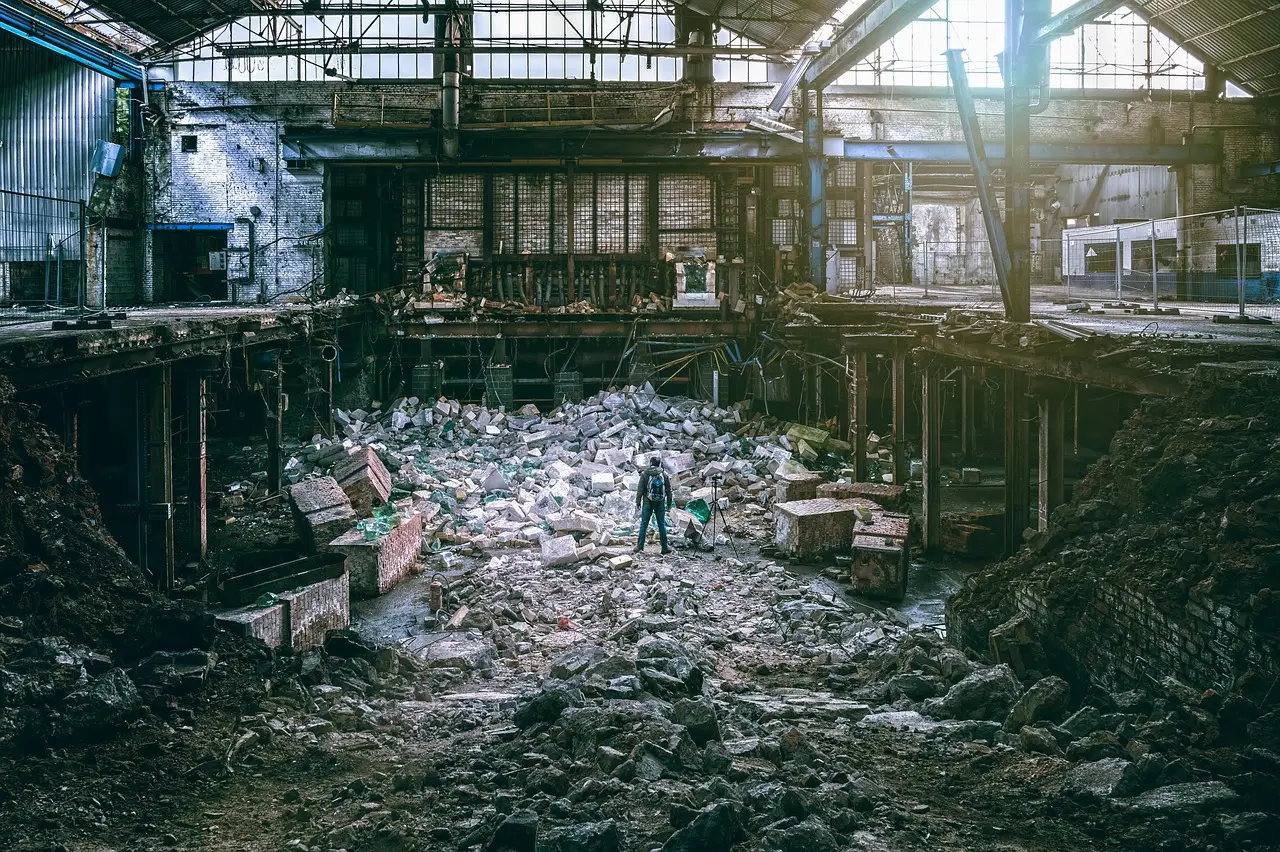
$7 billion was the announced value of Northvolt’s battery-cell project when the Quebec and Canada governments unveiled it in 2023. They touted it as the largest private investment in Quebec’s history. Construction of the battery-cell factory never finished, and Quebec lost $270 million.
That failure has created a second industrial proposal for the same nearly 1.7-million-square-metre site south of Montreal. As of Nov. 9, 2026, Hydro-Québec, the Crown-owned electric utility, said it had reached an agreement to acquire the land Northvolt left vacant after the Swedish battery-cell supplier went bankrupt in 2025.
The deal is not final. Court approval remains a condition, so the acquisition agreement does not yet establish a completed transfer. Hydro-Québec said in a press release: “Hydro-Québec will be able to discuss the next steps with the local community and the public once the transaction has been formally completed.”
For an upstream cell supplier (a battery producer rather than an automaker), that distinction matters: no battery production follows from the land agreement alone. The proposal names no OEM or vehicle program that would return the site to automotive supply.
What does this change for battery suppliers?
Hydro-Québec has identified two intended uses: a new substation and a logistics centre. A substation is the utility’s infrastructure for controlling and routing electrical power; a logistics centre serves as a distribution hub for goods and materials. Neither proposed use is a battery-cell manufacturing operation.
The utility has announced an industrial direction, not an operating project with confirmed construction. Its release provides no capital cost, construction schedule or capacity figure for either facility. The original $7 billion number therefore cannot serve as an investment estimate for the proposed substation and logistics centre.
For automotive suppliers, the proposed change redirects a stalled battery-cell site toward grid and distribution uses. Northvolt’s role was cell manufacturing rather than final vehicle assembly, and the proposal names no OEM, vehicle program or cell output. The announcement does not resurrect the factory’s unbuilt production lines.
What political change followed the project?
The project dogged the final months of the Coalition Avenir Québec government. The party was swept from power in the October 2026 provincial election. The political shift arrived before the land transfer cleared its legal hurdle.
Quebec’s $270 million loss makes the reversal more consequential than an ordinary canceled factory project. It also separates the original project’s political promise from Hydro-Québec’s narrower reuse plan. Hydro-Québec has stated what it wants to build, but court approval and formal completion still stand between the announcement and control of the site.
What must happen before the reuse plan becomes real?
Hydro-Québec placed public engagement after the legal transaction. That sequence links community discussion to closing, not to a stated construction start. No launch date follows from it.
The utility also has not disclosed how much electrical capacity the substation would provide or what volume the logistics centre would handle. Those omissions prevent a direct comparison between the land’s former battery-cell role and its proposed function supporting the electrical grid. For manufacturers, the plan has no measurable output milestone yet.
Watch the court’s decision, the formal closing and the first construction schedule for both new facilities. Watch also for a capital budget, capacity figures and a stated start date. Until those items appear, the confirmed outcome is an agreement subject to approval; the $7 billion battery-cell factory remains unfinished.
via canadianmanufacturing.com (Source)
More from Marcus Bennett
Show full bio
News editor covering regulation, policy and their impact on Automotive manufacturing and vehicle production at Autoplant Brief.
293 articles
Also circulated
- Volkswagen battery subsidiary delays EV plant opening
- Volkswagen and Gotion Tie Three Plants Into Joint Venture Swap
- Stellantis Halts EV Output at Three French Plants on ACC Battery Shortages
- Hydrovolt to Recycle Iceland's EV Batteries at Fredrikstad Plant
- Nio’s cylindrical battery plan points to a very small year-end batch