ECO-5908 · REV C · effective September 26, 2026
EV Manufacturing TransitionAPPROVEDEngineering notice
GM Builds First Production Vehicles with Fully Recycled Cathode Material
GM has built its first production vehicles with battery cells using fully recycled nickel, cobalt and manganese cathode material, processed by partner Cirba Solutions from retired GM packs.
Scope of change
- GM assembled its first production vehicles with cathode active material made entirely from recycled nickel, cobalt and manganese.
- The raw materials partly come from batteries of decommissioned GM vehicles.
- Partner Cirba Solutions recovered and processed the recycled metals.
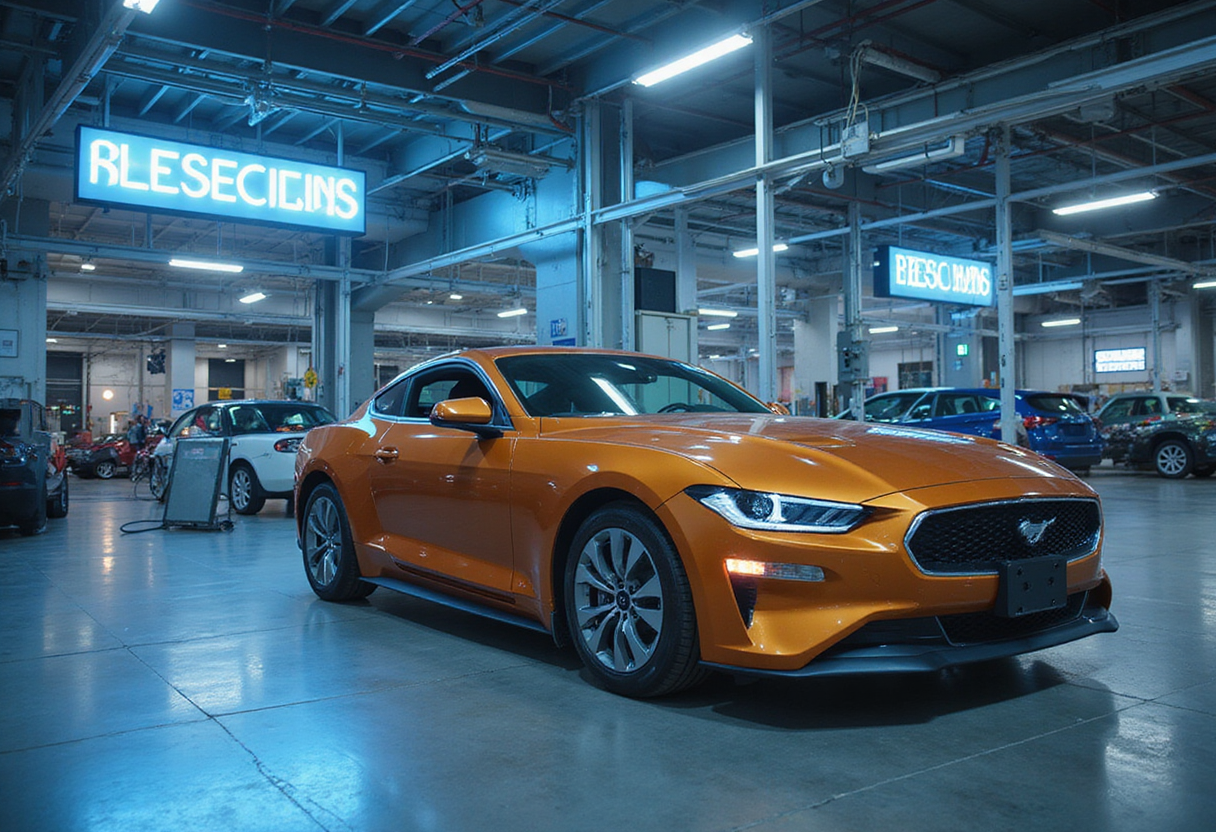
General Motors has assembled its first production vehicles using battery cells whose cathode active material comes entirely from recycled nickel, cobalt and manganese.
The recycled raw materials partly originate from batteries recovered from decommissioned GM vehicles. Cirba Solutions, GM's recycling partner, recovered and processed the metals before they entered cell production.
The move puts recycled cathode chemistry into customer vehicles rather than pilot lines or demonstration fleets. For GM, it marks the point where closed-loop battery material flows move from engineering claim to serial production.
Why it matters
Cathode active material is the most expensive component in a lithium-ion cell, and nickel and cobalt supply chains carry both cost and sourcing risk. Building production vehicles with a fully recycled cathode demonstrates that recovered metals can meet automotive-grade specifications at scale — the central question for every OEM pursuing closed-loop battery strategies.
The program also draws feedstock from GM's own vehicle population. Batteries from decommissioned GM vehicles return their nickel, cobalt and manganese into new cells, closing the loop within the company's ecosystem rather than relying solely on external scrap streams.
Cirba Solutions' role
Cirba Solutions handled recovery and processing of the metals, converting end-of-life battery material into cathode-grade inputs. The company is one of the established players in North American battery recycling, and its work with GM now extends beyond material recovery into qualified supply for production vehicles.
What to watch
The open questions are volume and scope. GM has not specified how many vehicles will carry the recycled-cathode cells, which plants are building them, or when — or whether — the material will scale across the Ultium cell portfolio. Traceability and certification of recycled content will also matter as regulators and customers scrutinize battery supply chains.
Watch for the next capacity disclosure: a stated share of recycled cathode material in GM's cell production, or expansion of the Cirba Solutions processing footprint feeding GM's Ultium Cells joint venture plants.
via electrive (Source)
More from Daniel Okafor
Show full bio
Senior reporter covering marketplaces and e-commerce at Autoplant Brief.
111 articles
Also circulated
- China Eyes Recycled EVs as Feedstock for Its EV Manufacturing Boom
- Vianode and FAAM prove graphite recycling loop from battery waste
- Rivian Taps Redwood Materials for Recycled-Battery Power at EV Plant
- GM Raises Pickup Output in Flint as It Idles EV Plant
- China Sets 2030 Target for Large-Scale Solid-State Battery Use