ECO-7580 · REV C · effective September 30, 2026
Vehicle Plants & ProductionAPPROVEDEngineering notice
GM Raises Pickup Output in Flint as It Idles EV Plant
GM is adding pickup output at Flint while idling an EV plant, a capacity split that shows trucks still carrying the automaker's volume and margin as EV demand lags.
Scope of change
- GM is boosting pickup production at its Flint, Michigan assembly operations
- The company is simultaneously idling an EV plant as electric-vehicle demand trails build capacity
- Suppliers to Flint face higher volumes while vendors tied to the idled EV plant face schedule uncertainty
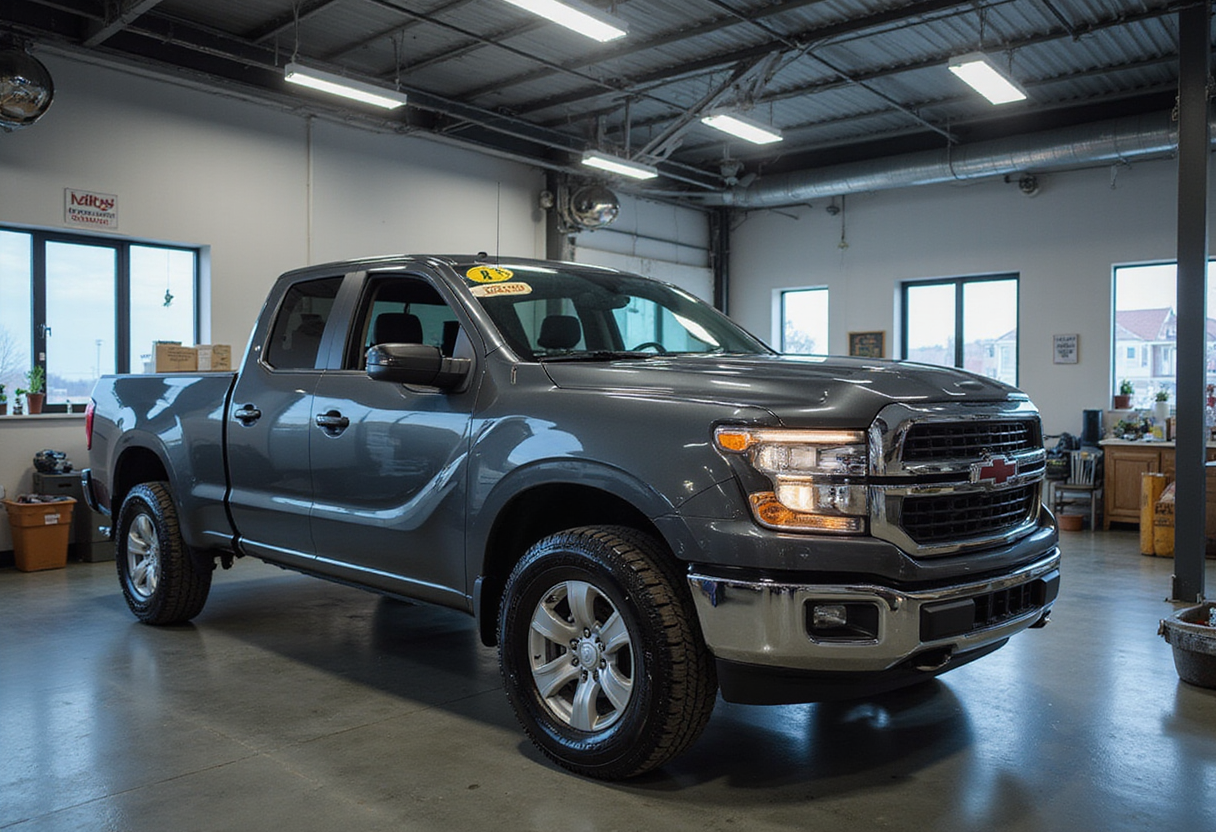
General Motors is increasing pickup production at its Flint, Michigan assembly operations while simultaneously idling one of its electric vehicle plants, a pairing that captures the current shape of the company's manufacturing footprint: full-size trucks carrying the load while EV capacity waits for demand to catch up.
The move puts more metal through Flint at a moment when GM's battery-electric build rates are running ahead of what the market is absorbing. Idling an EV plant is a capacity decision, not a program cancellation — but it does mean the company is paying, in downtime and fixed costs, for assembly capacity it built for a demand curve that has not arrived on schedule.
Flint assembles the Chevrolet Silverado HD and GMC Sierra HD, the heavy-duty variants that rank among GM's highest-margin products. Boosting output there follows a familiar arithmetic for the Detroit Three: every incremental heavy-duty pickup carries transaction prices and contribution margins that few vehicles in the portfolio can match. When demand for high-margin trucks is firm, manufacturers add shifts, overtime, and line-rate increases at the plants that build them.
The contrast with the idled EV plant is the story. GM has spent the past several years converting and constructing plants for electric production across its North American footprint, guided by targets for EV volume that the company has since moderated. Slower consumer uptake, charging-infrastructure gaps, and policy uncertainty around purchase incentives have all pressured build plans. An idling signals that current orders do not support the plant's scheduled output.
For suppliers, the two moves pull in opposite directions. Tier-one and Tier-two vendors feeding Flint — frame components, axles, powertrain parts for the heavy-duty trucks — will see higher call-off volumes and should prepare for sustained elevated schedules. Suppliers tied to the idled EV plant's bill of materials face the harder question: how long the downtime lasts, and whether it drains into a longer rebalancing of GM's electrification timeline.
It is also worth reading the timing against GM's capital allocation. The company has continued to invest in both streams — combustion-based truck production and EV capacity — and each quarterly adjustment in build rates effectively reveals where the company expects revenue to come from in the near term. Trucks are winning that contest for now.
The idling carries political weight as well. EV plants sit in communities that were promised employment tied to electrification, and any extended downtime invites scrutiny from state officials and the UAW. GM will need to manage headcount at the affected site, whether through temporary layoffs, reassignments, or shift reductions.
What to watch next: the duration of the EV plant's downtime and whether GM converts it into a formal capacity reallocation; the specific output increase at Flint — additional shifts or line-rate changes — and how quickly it reaches suppliers; and any revision GM makes to its EV volume targets in its next financial update. The gap between truck build rates and EV build rates is now the clearest real-time indicator of where the company's production strategy actually stands.
via Google News: EV manufacturing (Source)