ECO-5147 · REV N · effective October 9, 2026
Automation & RoboticsRELEASEDEngineering notice
GM, 3M Partner on Robotic Paint System for Vehicle Manufacturing
General Motors and 3M have partnered to develop a new robotic paint system, Assembly Magazine reports. Plant locations, investment figures, capacity and launch timing have not yet been disclosed by either company.
Scope of change
- GM and 3M have partnered on a new robotic paint system, Assembly Magazine reported.
- Neither company has disclosed plant location, investment size, capacity, or start-of-production timing for the programme.
- Robotic paint-application projects have been a focus of factory automation since the 1980s, with overspray losses typically running 20-40 percent of applied material.
- Established tier-one paint-shop robotics suppliers include Dürr, ABB, FANUC and Yaskawa.
- 3M already supplies masking, abrasives and surface-treatment products into OEM paint shops through its industrial and transportation businesses.
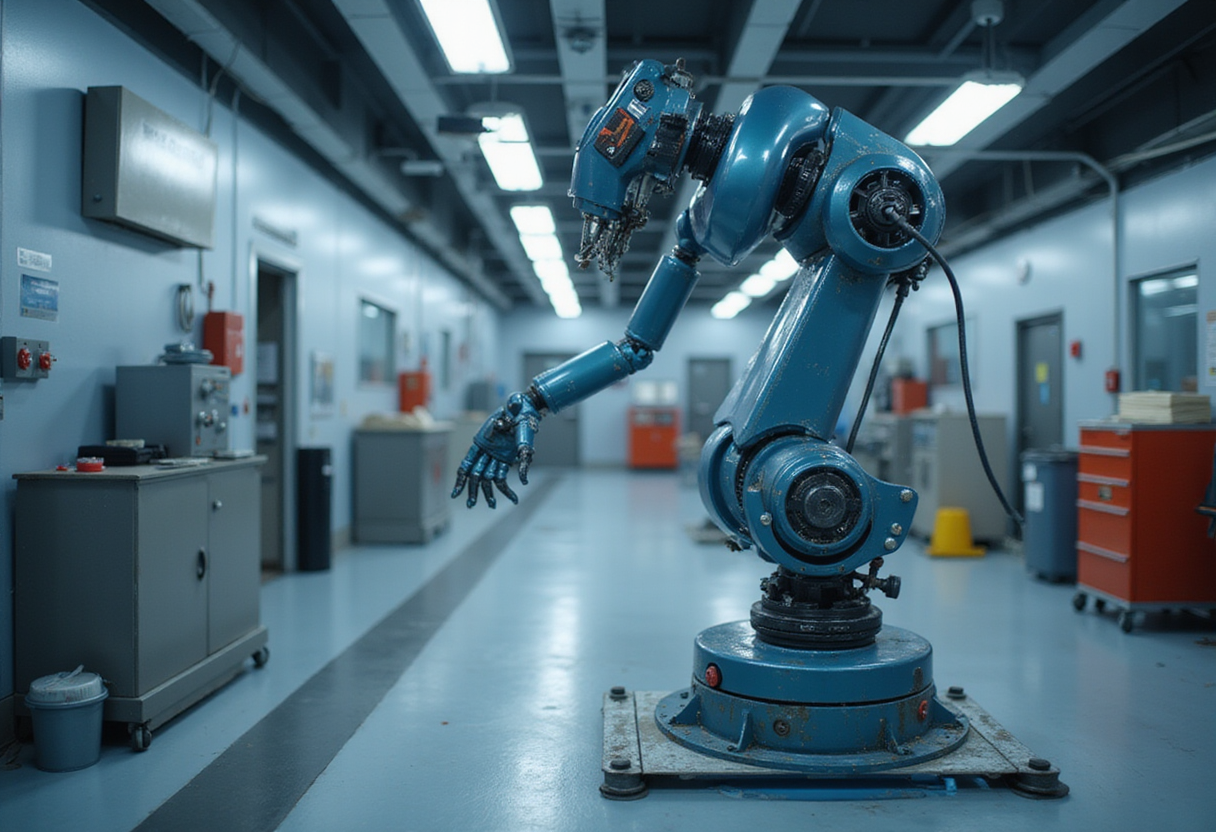
General Motors and 3M have partnered to develop a new robotic paint system for vehicle manufacturing, according to Assembly Magazine. The two companies have not yet disclosed where the technology will deploy, when production trials will begin, or what volume of vehicles the system is designed to coat.
The collaboration links one of North America's three largest automakers with a tier-one diversified materials supplier whose automotive portfolio spans adhesives, abrasives and finishing products. The published announcement describes "a new robotic paint system," Assembly Magazine reported, without elaborating on the manipulator architecture, the spray-application hardware, or any co-developed coatings chemistry the partners plan to commercialise.
What the announcement actually says
The single published claim is that GM and 3M are working together on a robotic paint system. That is the extent of the public record at the time of writing. No plant has been named, no investment figure has been quoted, no start-of-production date has been set, and no programme or nameplate has been identified as the launch application.
For manufacturing readers, that distinction matters. A signed joint-development agreement, a memorandum of understanding and a confirmed production contract with a named plant budget line are three different things, and trade-press coverage frequently elides the difference. Until both companies publish technical specifications or a contract value, the partnership is best read as a stated intent rather than a confirmed capacity project.
Why paint-shop robotics is a credible focus
Robotic paint application has been a target for factory automation since the 1980s. Solvent- and water-borne coatings present three persistent problems: high variability in film build, overspray losses that run 20-40 percent of applied material, and worker exposure to isocyanates and volatile organic compounds. Modern paint shops pair six-axis articulated arms with electrostatic bells or rotary atomisers and, increasingly, with machine-vision systems that adjust spray pattern and atomiser speed in real time. Tier-one suppliers including Dürr, ABB, FANUC and Yaskawa have dominated this market for decades.
A partnership between an OEM and a materials specialist such as 3M, rather than between an OEM and a pure robotics integrator, signals that 3M's contribution likely centres on fluid handling, masking, surface preparation, abrasive finishing or paint chemistry — not the manipulator itself. 3M already supplies scuff pads, masking tapes and various surface-treatment products into OEM paint shops through its industrial and transportation businesses.
How to read the announcement
Two cautions apply. First, supplier announcements in the paint-shop segment are claims to verify against production data, not commitments to build. Until GM names a pilot plant, readers should treat the project as a development agreement rather than a capital line item. Second, tier classification matters here: if 3M is contributing coatings or masking media, the company sits at the consumables tier feeding a robotics integrator; if it is contributing the integrated cell, the role is closer to a tier-one system supplier. The announcement does not yet resolve that question.
What to watch
- A formal GM press release naming the plant or plants piloting the system, with a contract value and the tier-one robotics integrator if one is involved.
- A parallel 3M release identifying the division leading the work, the products or chemistries being co-developed, and any patent filings.
- Confirmation of the timing for first pilot installation, first production trial and any stated annual capacity in units coated or square metres of surface finished.
- Whether deployment is limited to a single North American assembly plant or extends to a global platform, and whether the system will be reused across multiple nameplates.
Until those details surface, the announcement reads as a credible signal that GM and 3M are aligning on paint-shop automation — a development consistent with both companies' existing portfolios — rather than a defined capital project with a budgeted line item and a launch date.
via Google News: Automotive assembly automation (Source)
More from Grace Kim
Show full bio
Staff writer covering industry trends and analytics at Autoplant Brief.
130 articles