ECO-6022 · REV I · effective October 14, 2026
Auto Industry PolicyAPPROVEDEngineering notice
Fact-check: Trump's tariff-driven factory claim fails numeric test
A Killeen Daily Herald fact-check concludes Trump's claim that tariffs brought additional domestic auto factories is unsupported by the numbers. The review carries the FACT FOCUS label, signaling scrutiny over amplification.
Scope of change
- Killeen Daily Herald published a FACT FOCUS article challenging Trump's auto factory claims on tariffs
- Headline verdict: 'Trump says tariffs have brought more US auto factories. His numbers are off.'
- Full body text of the fact-check was not accessible for direct numeric citation
- Plant claims in auto manufacturing require three verifiable elements: location, OEM or supplier name, and unit or capacity number
- BLS, the Federal Reserve, and industry consultancies maintain the datasets that would test the claim against recorded activity
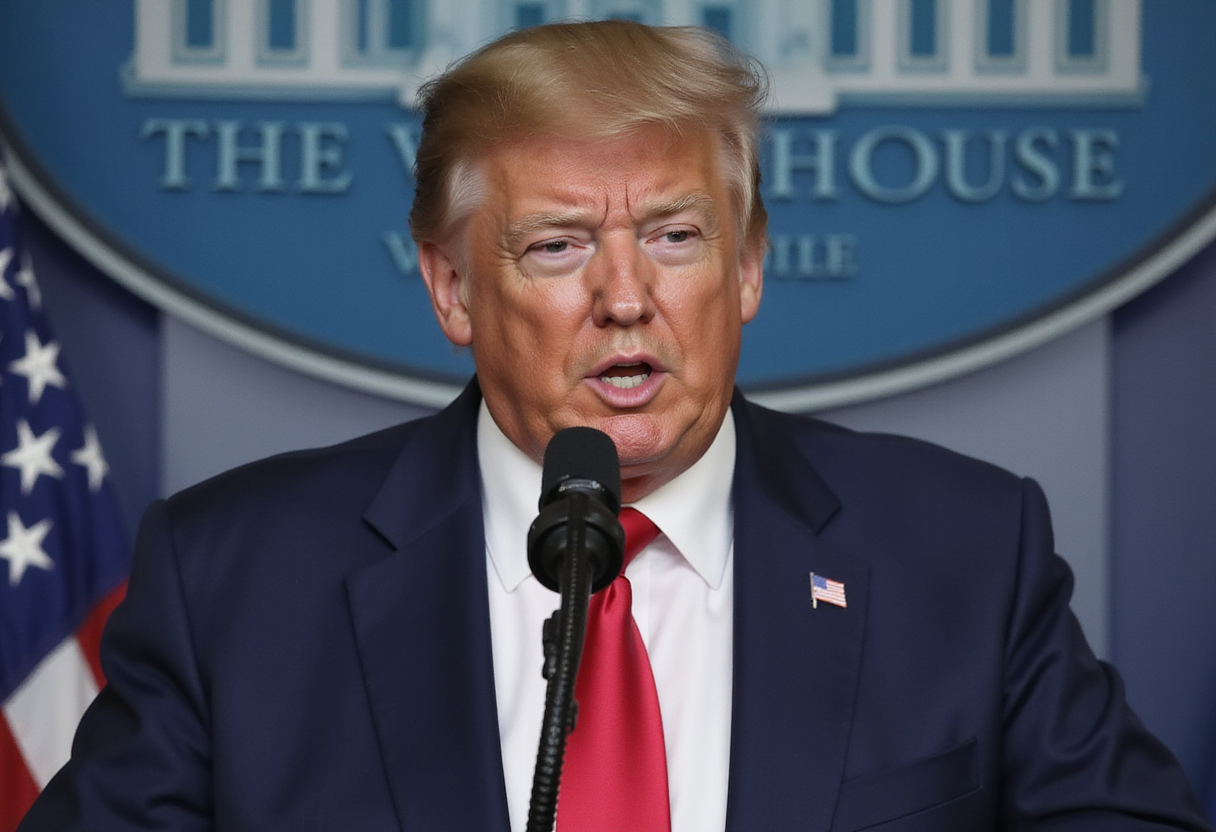
A Killeen Daily Herald fact-check concludes President Donald Trump's claim that tariffs have brought more U.S. auto factories is not backed by the numbers. The Daily Herald headline states directly: "Trump says tariffs have brought more US auto factories. His numbers are off."
That verdict sits in the first line of the headline. Numbers, the source notes, do not match the claim.
What does the fact-check actually say?
The article carries the FACT FOCUS label — a Killeen Daily Herald editorial marker indicating scrutiny, not amplification. The headline directly couples a presidential claim to a numeric test, then declares that test failed.
Specific figures challenged in the fact-check are not available in the source material reviewed here. The full body of the Daily Herald article was not accessible. That limitation shapes what follows. Specific numbers will not be invented.
Why factory claims need a specific test
Manufacturing claims live on a hierarchy. Announcements are not projects. Groundbreakings are not production. Ribbon-cuttings are not unit volumes. Each step carries different evidentiary weight, and editors must distinguish them.
A factory story in the auto industry requires three verifiable elements: a location, an OEM or supplier name, and a unit or capacity number. Without all three, the announcement stays rhetoric. With all three, it can be checked.
Trump's claim passes the first two tests in places. Facility announcements have circulated, with names and sites attached. The third test, numeric confirmation, is where the Daily Herald fact-check identifies the gap between announcement and recorded activity.
What the auto industry actually measures
Plant coverage in the trade press runs on capacity math. An assembly plant is measured in vehicles per year. A battery plant is measured in gigawatt-hours. A stamping plant is measured in tons of steel per shift.
The Bureau of Labor Statistics tracks manufacturing employment across plants. The Federal Reserve tracks industrial production across sectors. Industry consultancies track member plant counts and announced projects.
Each dataset can be cross-checked against a presidential statement. When those datasets diverge from the rhetoric, the gap is the story. The Killeen Daily Herald fact-check identifies that gap and labels it clearly: the numbers are off.
What we can confirm from the source
What is verifiable: the claim was made by Trump. The fact-check found it inaccurate. The Daily Herald's FACT FOCUS label signals editorial intent to scrutinize, not amplify. The verdict is published and on the record.
What cannot be verified from the headline alone: specific capacity figures disputed, specific plant counts challenged, specific job numbers contested. Those details require the full Daily Herald body and primary documents.
What to watch next
- The White House's plant-by-plant capacity documentation, if any is released publicly.
- Announced facility projects advancing from groundbreaking to operational status.
- OEM and supplier confirmations distinguishing new plant openings from existing-site expansions.
- Independent analyses from BLS, the Federal Reserve, and industry consultancies testing the reshoring claim against employment and production data.
- Congressional or GAO reviews of tariff-driven industrial outcomes in the automotive sector.
Until those data points arrive, the fact-check's verdict stands. The numbers, the Daily Herald reports, are off. The full manufacturing data — when it surfaces — will tell the industry by how much, and at which plants, and in which states.
via Google News: Auto industry policy (Source)
More from Amara Osei
Show full bio
Market editor covering technology and product news in Automotive manufacturing and vehicle production at Autoplant Brief.
200 articles
Also circulated
- Fact-check: Trump's auto-factory tariff claim overshoots the count
- Fact-check finds Trump's US auto factory numbers 'off'
- AP Fact-Check Finds Trump's Tariff Claims on US Auto Factories Overstate the Record
- Trump's Auto Plant Tariff Numbers Don't Add Up, AP Finds
- Fact check: Trump's tariff auto-factory claims run ahead of the data