ECO-3671 · REV R · effective September 28, 2026
Vehicle Plants & ProductionRELEASEDEngineering notice
Dacia Hipster EV to Launch in Europe in 2027
A British media report says Dacia's electric L7e microcar, shown as a concept a year ago, will reach Europe in 2027 from a Chinese line.
Scope of change
- Dacia Hipster electric microcar reported to launch in Europe in 2027, per a British media report
- Vehicle is an L7e-class light quadricycle, presented as a concept about a year ago
- Expected to be built on the same Chinese production line as the first-generation Dacia Spring
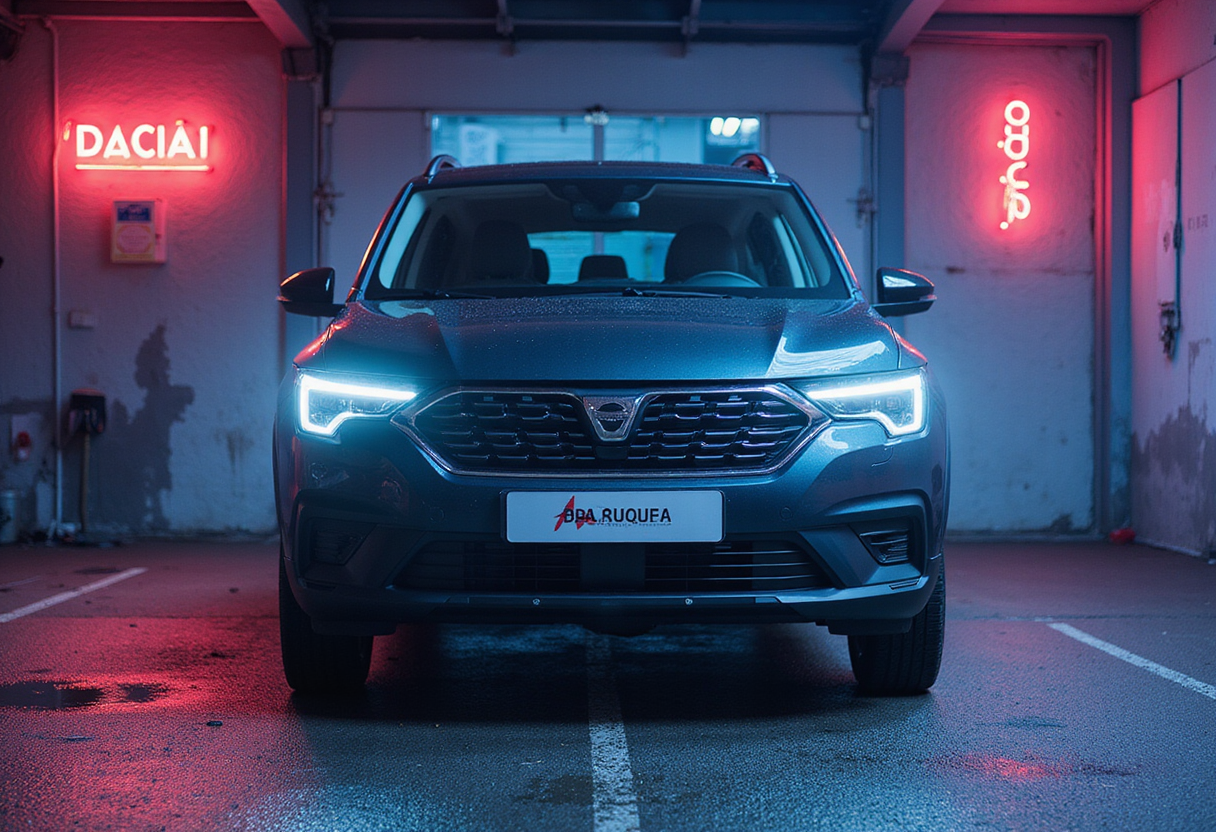
Dacia plans to put an electric microcar called the Hipster on the European market starting in 2027, according to a British media report. The vehicle belongs to the L7e class of light quadricycles — a segment with modest power and weight limits that sits below conventional passenger cars in European type-approval terms.
The report carries weight for manufacturing watchers because of where the vehicle is expected to be built. The Hipster is expected to roll off the same production line in China that produced the first generation of the Dacia Spring, Renault's low-cost battery-electric city car assembled in China for European export.
That detail matters. The first-generation Spring came out of a Chinese plant via Renault's partnership structure in the country, giving Dacia a proven, low-cost sourcing route for Europe-bound small EVs. If the Hipster follows the same path, it would extend that arrangement into the quadricycle class rather than add European capacity.
Dacia presented the Hipster as a concept roughly a year ago. At this stage, the 2027 date and the China production link remain reported intentions, not confirmed capacity plans from the manufacturer. No plant has been named publicly in the report, and Dacia has not, in the material available here, issued a formal production commitment with volumes, tooling timing or supplier details attached.
For suppliers, the distinction is important. A 2027 launch on an existing Chinese line implies limited new tooling in Europe and a bill of materials likely carried over or adapted from the Spring's supply base. Tier-one firms hoping for European content on this program should treat the sourcing claim as unverified until Dacia or Renault publish production data or supplier nominations.
The L7e classification also shapes the industrial picture. These vehicles face lighter regulatory requirements than M1 passenger cars — on crash structures, homologation and component standards — which typically means shorter development cycles and fewer structural suppliers than a conventional EV program. That is consistent with a 2027 timeline from a concept shown about a year ago: roughly two years from reveal to market, a pace achievable in the quadricycle class but tight for a full passenger-car program.
What to watch next: whether Dacia or Renault confirms the production site and the 2027 date in an official announcement; whether the Chinese assembly arrangement survives the EU's tariff regime on China-built EVs, which has already complicated the Spring's cost position; and whether any European supplier content emerges as part of the program. A formal capacity or volume statement from the manufacturer would move this story from reported intention to confirmed plan.
via autocar.co.uk (Original)
More from Marcus Bennett
Show full bio
News editor covering marketplaces and e-commerce at Autoplant Brief.
86 articles