ECO-1437 · REV J · effective November 17, 2026
Suppliers & Tier-1sRELEASEDEngineering notice
ChargeZone orders 1,000 DC fast chargers from Ador subsidiary Quench
ChargeZone has ordered 1,000 DC fast chargers rated 120–480 kW from Quench Chargers, targeting growth from 120 MW to 300 MW of network capacity in India.
Scope of change
- ChargeZone ordered 1,000 DC fast chargers rated 120 kW to 480 kW from Quench Chargers.
- Current network: 550+ locations in India with 120 MW combined capacity; target is 300 MW.
- Focus is commercial vehicles, especially 360 kW and 480 kW charger versions.
- Chargers use 30 kW AC-DC converter modules and exceed 96 per cent conversion efficiency.
- CEO Kartikey Hariyani announced the network figures in a LinkedIn post at the end of August.
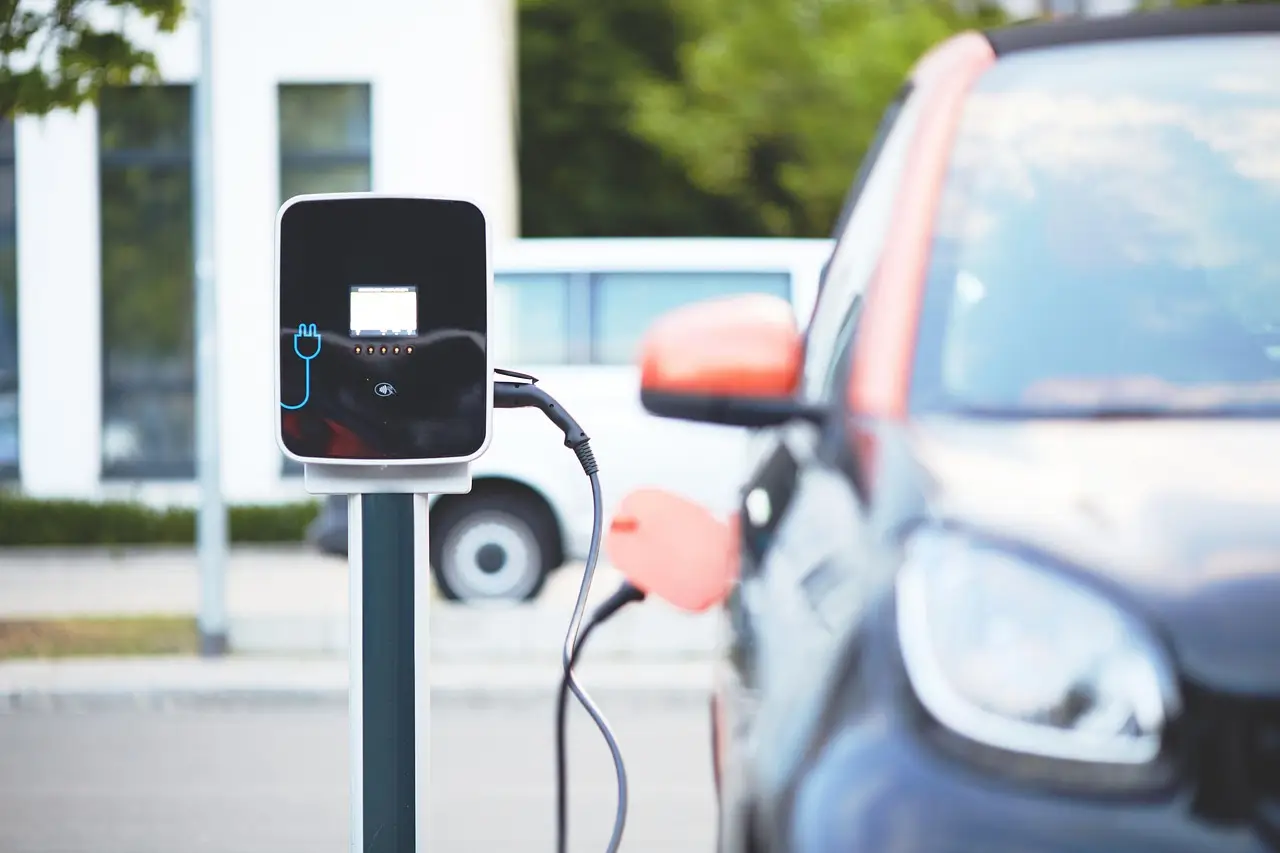
ChargeZone has committed to deploying 1,000 new DC fast-charging sites across India, supplied with hardware from Quench Chargers, a wholly owned subsidiary of Pune-based Ador Powertron. The order, confirmed via email, covers chargers rated from 120 kW up to 480 kW and anchors the charging operator's plan to grow its national network capacity from 120 MW to 300 MW.
ChargeZone, headquartered in Vadodara, Gujarat — roughly 550 kilometres north of its supplier's base in Pune, Maharashtra — will source the units under a partnership framed by both companies around indigenous manufacturing. The chargers use 30 kW AC-DC converter modules as their building block, an architecture Quench Chargers already builds across an output range of 30 kW to 480 kW.
What has actually been ordered?
The agreement covers DC chargers dispensing a minimum of 120 kW, with the top of the range at 480 kW. ChargeZone will install the new units for electric cars, buses and trucks, but the company's main focus is commercial vehicles — particularly the 360 kW and 480 kW versions. That positioning matters for India's freight electrification, where high-power depots for buses and trucks set the hardware requirements rather than passenger-car top-ups.
On specifications, ChargeZone states the new chargers will achieve an energy conversion efficiency above 96 per cent and use forced-air cooling. A digital CAN interface (the standard in-vehicle and industrial communication bus) lets station operators monitor voltage, current and temperature in real time. Front access to the units is intended to simplify maintenance and repairs, reducing downtime at sites.
ChargeZone will also integrate the chargers into ChargeCloud, its software platform, so operators manage the new hardware alongside existing assets through a single system.
How big is the network today?
At the end of August, ChargeZone founder and CEO Kartikey Hariyani said in a LinkedIn post that the company's charging network spans more than 550 locations in India, with a combined capacity of 120 MW. The 300 MW target therefore implies roughly a 2.5-fold increase over the current installed base — comparable in scale to the growth step itself, since the operator intends to more than double capacity in a single expansion phase.
The 1,000 new DC chargers form what the company calls a key step toward that target. ChargeZone has not published a deployment timeline for the units, so the 300 MW figure remains an announced intention rather than a confirmed, dated capacity plan.
What did the executives say?
Hariyani framed the deal in terms of both hardware capability and local supply: "By partnering with Ador-Quench for Made-in-India superchargers, we are strengthening our ability to deploy high-power charging infrastructure suited to these needs, while supporting the expansion of our national network."
Ravin Mirchandani, Chairperson of Ador Powertron and Quench Chargers, emphasised the depth of domestic content in the products: "We are particularly proud that these chargers are 100% Made in India, including the Rectifier and controller modules, reflecting our commitment to world-class indigenous technology and manufacturing."
The "100% Made in India" claim covers the rectifier (the module converting grid AC to the DC the vehicle battery accepts) and the controller modules. As with any supplier announcement, the deployment pace will need to be verified against installations on the ground; a hardware order is a leading indicator, not commissioned capacity.
What to watch next
Three markers will show whether the 300 MW target is real: the first sites energised under this order, the mix of 360 kW and 480 kW units actually installed for commercial fleets, and whether ChargeZone discloses a dated rollout schedule. Until commissioned sites appear in ChargeCloud's public footprint, the 1,000-site figure stands as an order book, not a network.
via electrive (Source)
More from Sophie Lindqvist
Show full bio
Correspondent covering money, funding and market shifts around Automotive manufacturing and vehicle production at Autoplant Brief.
318 articles
Also circulated
- European Electric Truck Charging Could Hit 200 TWh by 2045
- Mercedes details 3-kW converter for constant 800-volt EV supply
- Delhivery to add up to 2,000 electric LCVs from Tata, Euler and Montra
- Valeo adds e-powertrain line at Pune site
- TACC MoU with global OEM could take 30% of Dewas phase-one anode capacity