ECO-2168 · REV I · effective October 9, 2026
Auto Industry PolicyAPPROVEDEngineering notice
Canada announces $20bn retaliatory tariffs on US goods
Canada will impose $20bn in retaliatory tariffs on US goods, escalating a trade dispute that lands on the integrated North American automotive supply chain. Ottawa's posture, in a quoted official's words: "We're not going to bend."
Scope of change
- Canada announced $20 billion in retaliatory tariffs on US-origin goods
- A Canadian official quoted by Yahoo News said: 'We're not going to bend'
- The package is described as retaliation for US trade measures
- Auto and auto-parts account for the largest share of bilateral US-Canada goods trade
- Detailed HS code list and effective dates had not been published as of the announcement
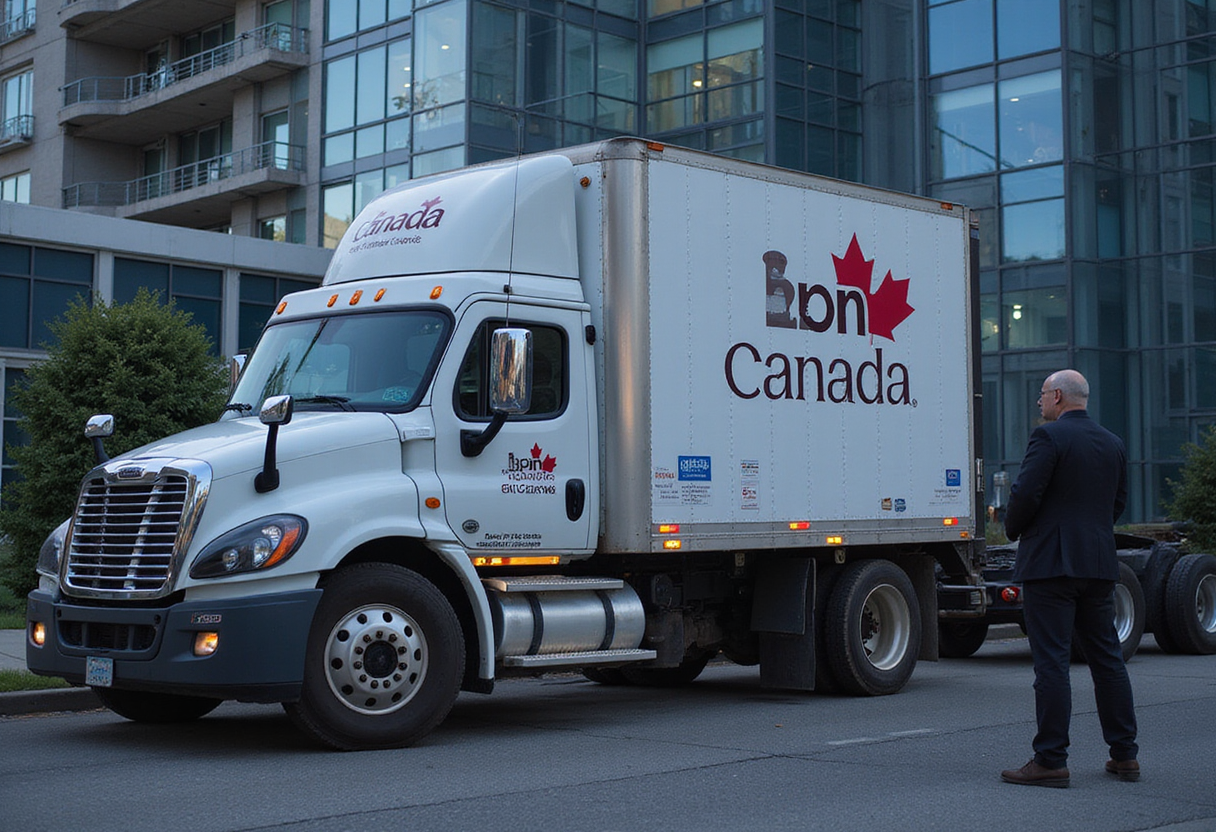
Canada will impose $20 billion in retaliatory tariffs on US goods, a move that places direct pressure on the integrated North American automotive supply chain and the parts shipments that move across the border daily.
A Canadian government official, quoted in coverage by Yahoo News, declared: "We're not going to bend." That line sets the political posture for what Ottawa framed as a direct response to US trade measures.
What did Canada actually announce?
The headline figure is $20 billion in new duties, applied to a list of US-origin goods. Canadian officials described the package as retaliatory, calibrated against the US measures Canada is contesting. The dollar volume places it among the larger bilateral tariff actions of the past two decades.
The package covers multiple product categories. The auto and auto-parts sector, which carries the single largest share of bilateral goods trade, will draw the closest attention from procurement teams and customs brokers on both sides of the border.
Why does this hit manufacturing directly?
Most vehicles built in Canada contain US content. Most US-assembled vehicles contain Canadian content. Engines, transmissions, stampings, electronics, and raw aluminum cross the border multiple times before a finished vehicle rolls off the line.
Tariff changes anywhere in that sequence force landed-cost recalculations. Tier 1 and Tier 2 suppliers with thin margins absorb the first impact. The bigger question is pass-through: whether OEMs, suppliers, dealers, or end customers carry the cost increase.
What does the rhetoric tell us?
"We're not going to bend" is a duration signal, not a negotiating line. Canadian officials used the language to indicate the package will stay in force until US trade policy changes.
That posture suggests duties measured in months, not weeks. Manufacturing planning teams should treat the announcement as a confirmed policy decision rather than a threat.
What remains unclear?
The detailed tariff schedule — including HS codes, effective dates, and any staged implementation — has not been published in the public summaries circulated so far. Until that list appears, suppliers cannot model exact cost exposure line by line.
It also remains to be seen whether Washington responds with counter-measures aimed at Canadian-assembled vehicles or parts. The auto sector's symbolic and economic weight on both sides of the border typically draws fast attention from trade officials.
What to watch next
- The publication of Canada's detailed tariff schedule, with HS codes and effective dates
- Any US Trade Representative response targeting Canadian-assembled vehicles or parts
- Q2 and Q3 OEM earnings calls, where finance teams will face direct questions on cost exposure
- Provincial responses from Ontario and Quebec, home to most Canadian auto assembly and parts plants
via Google News: Auto industry policy (Source)
More from Daniel Okafor
Show full bio
Senior reporter covering marketplaces and e-commerce at Autoplant Brief.
176 articles
Also circulated
- Canada's retaliatory tariffs hit U.S. goods Sept. 8; autos exempted
- Trump Doubles Canada Auto Tariffs as Industry Warns of Competitive Hit
- Canada's 25% counter-tariffs put $30bn of US auto exports at risk
- 50% Tariff Threat Looms Over Canadian Auto Supply Chain
- Trump Threatens 50% Tariff on Vehicles and Parts From Canada