ECO-7540 · REV E · effective October 9, 2026
Auto Industry PolicyAPPROVEDEngineering notice
Trump Tariffs A Mixed Bag For US Auto Industry
The Jakarta Post calls Trump's tariff regime a mixed bag for US automakers — splitting winners and losers by supply-chain geometry, not ownership.
Scope of change
- The Jakarta Post assessed Trump's tariffs as a mixed bag for the US auto industry
- Impact varies across OEMs, transplant plants and tier-one to tier-three suppliers
- Verdict still requires verification against production and utilization data
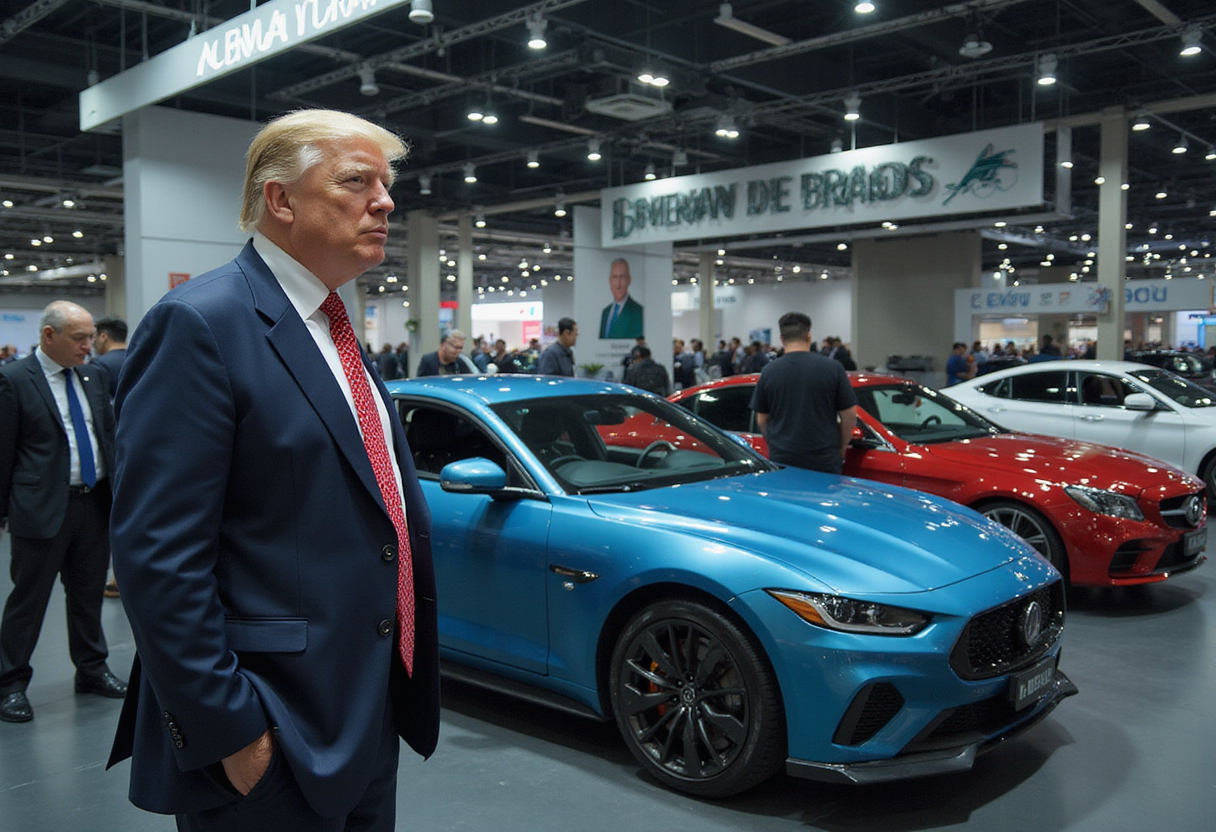
The Jakarta Post has labeled the Trump tariff regime a mixed bag for the US auto industry — a verdict that cuts against both the White House's protectionist sales pitch and the sector's early warnings of uniform damage.
The assessment matters because it arrives after months in which America's automakers, tier-one suppliers and plant managers have had to price a moving target: duties reshaping where components cross borders, which assembly lines gain volume, and which supplier programs lose their economics altogether.
Why "mixed bag" is the operative verdict
A blanket reading of tariff impact was never plausible for an industry this stratified. The US auto sector spans:
- Domestic OEMs assembling high local-content vehicles, positioned to gain pricing shelter;
- Import-reliant brands and transplant operations dependent on cross-border parts flows from Mexico and Canada;
- Tier-two and tier-three suppliers whose margins cannot absorb duty pass-through;
- Tooling, stamping and electronics vendors exposed to steel and aluminum cost inflation.
For each of those tiers, the same tariff schedule produces a different outcome. That is precisely what the "mixed bag" framing captures: winners and losers sorted not by nationality of ownership but by supply-chain geometry and plant location.
What the claim still needs to be tested against
Trade-press discipline applies here. A headline verdict is an editorial judgment, not production data. The claim becomes verifiable only against hard numbers that follow it:
- Monthly North American production and assembly-plant utilization rates;
- Supplier insolvency and restructuring filings tied to input-cost shocks;
- Pricing moves by OEMs — whether tariffs stuck on the sticker or got absorbed in incentives;
- Announced capacity shifts, which must be distinguished from confirmed, funded programs.
Until those data points are in, "mixed bag" should be read as an interpretation of early evidence, not a settled account.
What to watch next
The story's real test comes at the next round of plant-level disclosures: capacity utilization numbers, sourcing decisions by the transplants, and any supplier program cancellations traceable to duty costs. Watch also for policy decisions — exemptions, threshold changes or negotiated arrangements with Mexico and Canada — that could flip individual winners back to losers. The tariff ledger for the US auto industry is still open, and the next quarterly production data will tell us which side of the bag is heavier.
via Google News: Auto industry policy (Source)
More from Daniel Okafor
Show full bio
Senior reporter covering marketplaces and e-commerce at Autoplant Brief.
176 articles