ECO-9302 · REV U · effective November 18, 2026
EV Manufacturing TransitionAPPROVEDEngineering notice
BMZ embeds EU battery passports into series production
BMZ says its digital battery passport system, built with Minespider, will process production data by mid-December 2026, ahead of the EU's 18 February 2027 market deadline.
Scope of change
- BMZ Battery Solutions Group targets mid-December 2026 to process data for its first digital battery passports
- EU Battery Regulation 2023/1542 requires digital battery passports from 18 February 2027 for EV, light-mobility and industrial batteries above 2 kWh
- Minespider handles data mapping, gap analysis, platform setup and production-system connection; manual creation and batch imports come first, API-based exchange later
- BMZ is headquartered in Karlstein am Main, Germany, with manufacturing sites in Germany, Poland, China, Brazil and the USA
- BMZ Poland and EVE Energy plan first customer samples of an LMFP Versora variant in 2027, with series production starting mid-2028
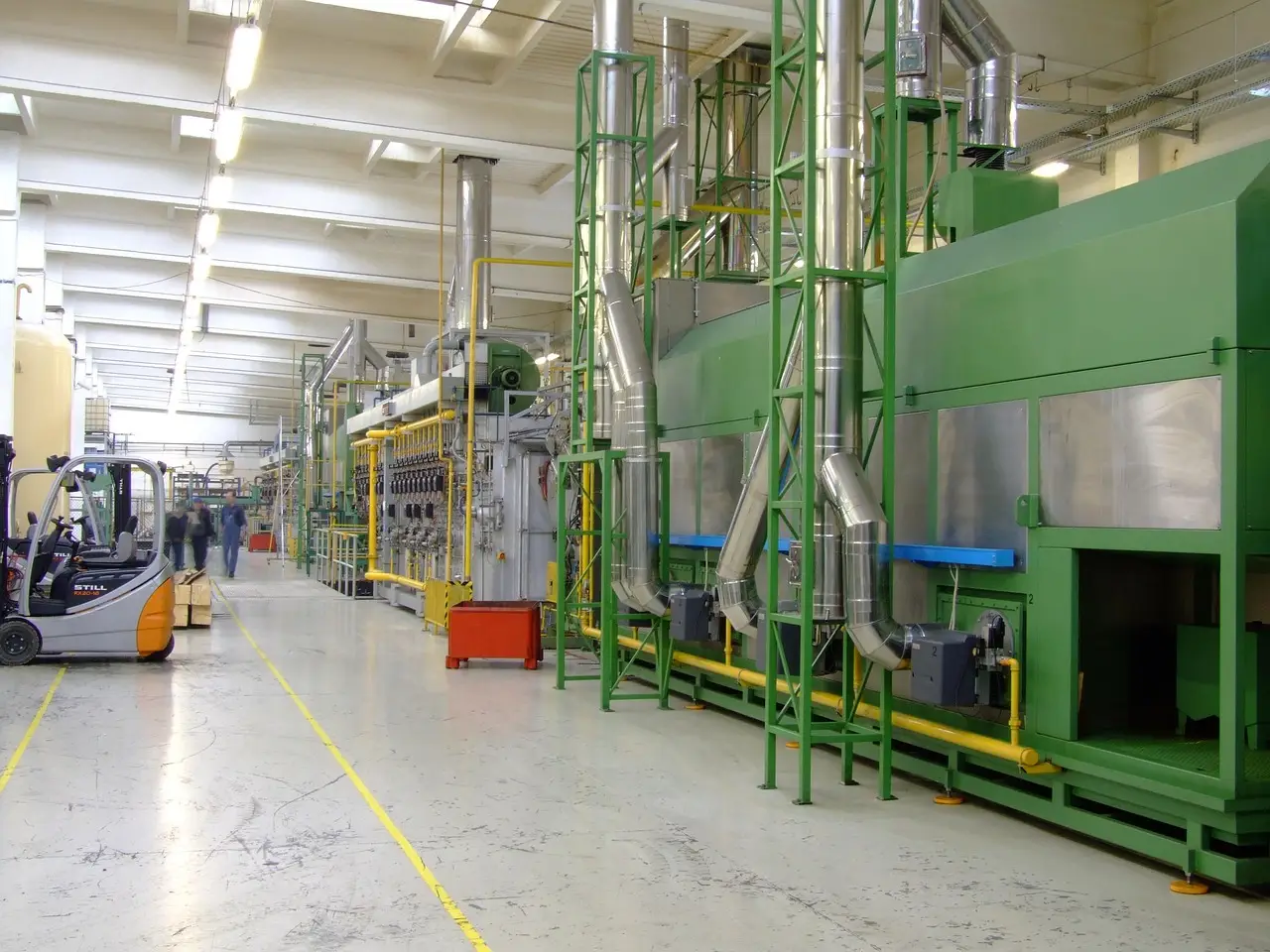
BMZ Battery Solutions Group says its digital battery passport system will process production data by mid-December 2026, ahead of the EU's 18 February 2027 deadline for electric vehicle, light-mobility and industrial batteries above 2 kWh.
The Karlstein am Main, Germany-headquartered battery systems maker is building the passports with Minespider, the data and software supplier, and says they will be generated inside BMZ's own manufacturing and data systems rather than in a separate administrative process running alongside production. Product and manufacturer data, compliance documents, circularity information and relevant operational data will all be assigned to a unique battery identifier.
Access is split into public and permission-based areas, so customers and partners receive only the information intended for them. Minespider is mapping BMZ's existing battery data, running a gap analysis and setting up the platform and passports, while a parallel workstream connects the solution to BMZ's production environment.
The rollout is staged. Passports get created manually at first, larger data sets are imported in batches, and an API-based data exchange (the machine-to-machine link between two companies' software) follows later for higher volumes. Over time, battery data, unique identifiers and QR code access are meant to sit directly inside BMZ Group's internal systems.
The clock comes from the EU Battery Regulation 2023/1542. From 18 February 2027, electric vehicle batteries, batteries for light mobility applications such as e-bikes, and industrial batteries with a capacity exceeding 2 kWh must carry a digital battery passport to be placed on the EU market or put into service.
What changes when the passport is born on the line?
For an EU-bound EV or e-bike pack, the difference is where the paperwork gets assembled. A passport reconstructed after the fact turns every cell lot, supplier document and recycling record into a manual chase. Generated at the point of production, the identifier stays tied to the line that built the battery — which is the data chain the regulation is written around.
"Our customers use our battery systems across very different industries, but they increasingly need the same thing: reliable, structured information about the battery behind their product," said Robert Kowalczyk, Managing Director of BMZ Poland.
Minespider CEO Nathan Williams made the same argument: digital battery passports have to become part of production rather than an extra administrative layer, and linking product data, identifiers and internal systems builds a foundation usable beyond manufacturing.
Both statements are company claims, and neither has been tested against production volumes. The announcement gives no unit counts, no passport volumes, no customer list and no named production sites. What it does establish is the sequencing: software supplier picked, gap analysis underway, go-live targeted for mid-December 2026, automated data exchange left for a later phase.
The manufacturing footprint behind it
BMZ Battery Solutions is headquartered in Karlstein am Main and produces battery systems for e-mobility, industrial applications and stationary storage, among other sectors. Beyond Germany and Poland, the company runs manufacturing sites in China, Brazil and the USA. The announcement does not say which of those plants will host passport creation, or whether packs built for non-EU markets carry the same identifiers.
BMZ Poland is also developing new battery systems for electromobility. Together with EVE Energy, it is working on an LMFP (lithium manganese iron phosphate cathode chemistry) variant of its Versora platform for heavy-duty commercial vehicles. First customer samples are planned for 2027, with series production set to begin in mid-2028.
BMZ also says the unified solution can later expand to additional battery types and data sources without requiring a separate passport process for each production line. That remains an intention rather than a demonstrated capability.
What to watch next
Three dates matter. Mid-December 2026 is when BMZ says the system starts processing data for the first digital battery passports. 18 February 2027 is when the EU bars market placement or service without a passport for the three battery categories above 2 kWh. And 2027 through mid-2028 covers the EVE Energy LMFP Versora samples and the start of series production for heavy-duty commercial vehicles.
Then there is the deferred API-based data exchange, and whether BMZ can hold the mid-December 2026 date while the platform is still being wired into its production environment.
via electrive (Source)
More from Grace Kim
Show full bio
Staff writer covering people, launches and day-to-day practice in Automotive manufacturing and vehicle production at Autoplant Brief.
293 articles
Also circulated
- BMW starts Gen6 battery production in Shenyang, third site globally
- BAIC, CATL widen China battery-swap push without timetable
- Rebattex, LKQ Atracco set used EV battery resale framework
- BMW Adds LGES and Samsung SDI as Cell Suppliers for Gen6 Batteries
- Musashi India to Supply e-Axles for Bhago Mobility 3W From 2027