ECO-2202 · REV C · effective September 30, 2026
Automation & RoboticsAPPROVEDEngineering notice
Bad Bins Are Breaking Car-Factory Automation Plans
Substandard bins, totes and pallets are undermining automated material handling in car plants, AMS analysis finds. Carrier quality is becoming a supplier-quality issue.
Scope of change
- Automotive Manufacturing Solutions analysis identifies poor bin, tote and pallet quality as a key obstacle to car-factory automation
- Container inconsistency defeats robotic grippers, vision systems and automated guided vehicles engineered around nominal geometry
- Carrier quality effectively functions as an extension of supplier quality for OEMs running automated intralogistics
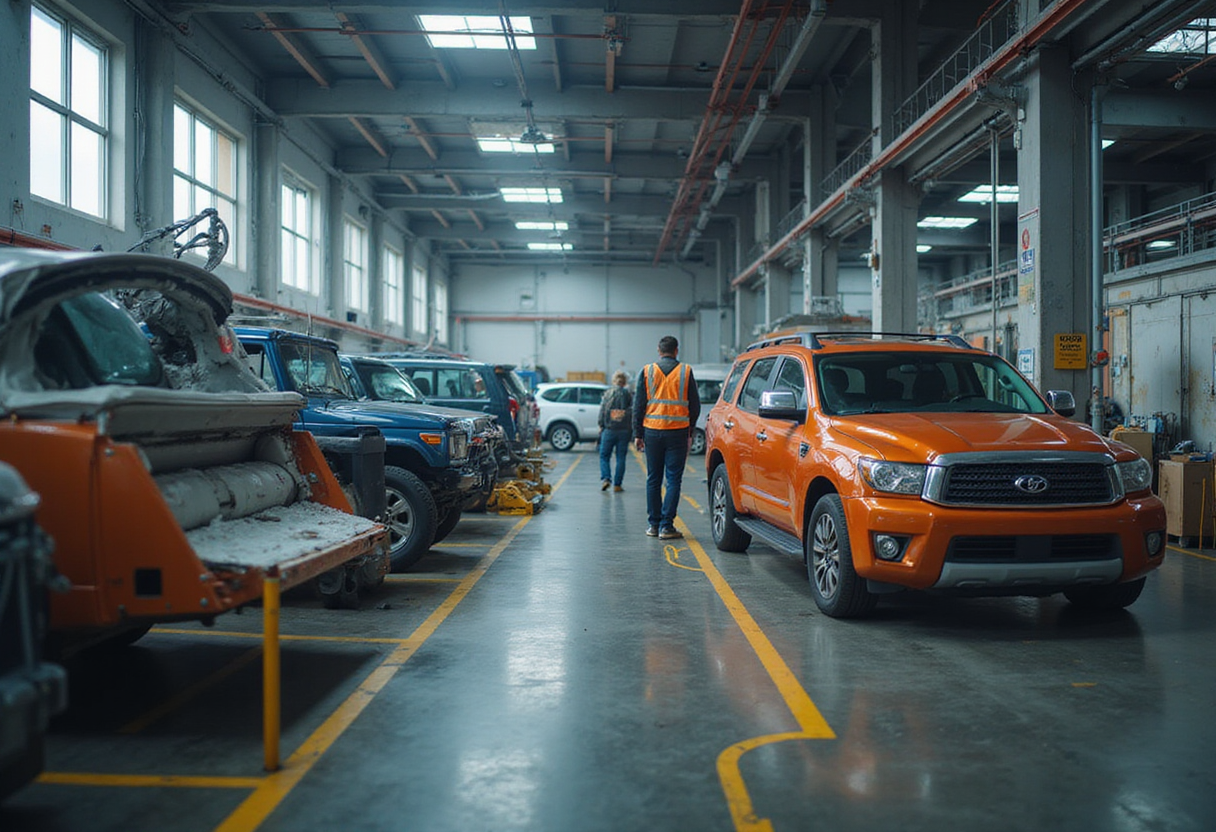
The humble parts bin has become a problem child on automotive assembly lines. An analysis published by Automotive Manufacturing Solutions argues that substandard bins — the containers, totes and pallets that carry components through a plant — are now a genuine obstacle to the automation ambitions OEMs and their tier-one suppliers have set for their factories.
The headline number in this story is not a capacity figure or an investment line. It is the gap between what plants expect from automated material handling and what the physical carriers passing through those systems actually deliver. Automation on the scale modern car factories are planning — automated guided vehicles, robotic depalletising, machine-tending cells, lights-out logistics — presumes that every bin arriving at a station is dimensionally consistent, correctly loaded and machine-readable. When it is not, the automation stops.
That is the core of the AMS argument. Robotic cells and driverless transport systems are only as reliable as the least standardised object they have to handle. A bin with a warped rim, a shifted stacking height or a distorted footprint defeats the vision system, the gripper or the transfer car that was engineered around nominal geometry. Plants that have spent heavily on automation discover that a €20 container can idle a six-figure robot cell.
The problem sits squarely in the interface between suppliers and OEM plants. Components arrive from tier-two and tier-three vendors in whatever containers those vendors use, and the receiving plant inherits the variability. For OEMs running highly automated intralogistics, that means carrier quality is effectively an extension of supplier quality — and, by the AMS account, it is one that many programs have not managed tightly enough.
Buyers should read this as a caution against taking supplier-side automation and packaging claims at face value. A vendor can promise sequenced, automation-ready delivery, but the verification happens on the plant floor: measured bin geometry, consistent stacking behaviour, label placement that machine vision can read on the first pass. Where that verification is absent, the automation concept degrades into manual intervention, and the business case built on reduced labour content erodes with it.
The economics compound at scale. An OEM line consuming hundreds of distinct part numbers, each in its own container type, multiplies the number of failure modes an automated system must absorb. Standardising the carrier fleet — fewer container variants, tighter dimensional tolerances, controlled maintenance and retirement of worn bins — reads unglamorous next to a new robot installation. The AMS analysis suggests it is the cheaper half of the automation equation, and the half most often deferred.
The piece lands at a moment when several European and North American plants are commissioning automated intralogistics as part of electric-vehicle program launches, where new supply chains mean new packaging streams arriving simultaneously. That is precisely the condition under which carrier inconsistency does the most damage.
What to watch next: whether OEMs begin writing dimensional and readability specifications for returnable containers directly into supplier contracts; whether bin-fleet condition monitoring — tracking warp, wear and label degradation across cycles — becomes a standard line in intralogistics tenders; and how the first EV program launches with fully automated material handling perform against their labour-content targets. If bins keep stopping robots, the next capital request may be for containers, not cells.
via Google News: Automotive assembly automation (Source)
More from Grace Kim
Show full bio
Staff writer covering industry trends and analytics at Autoplant Brief.
82 articles
Also circulated
- Humanoid robots reach factory floors at BMW, Tesla and Mercedes
- Global Factory Robot Population Passes 5 Million Units, IFR Says
- Humanoid robots reach BMW's European production lines
- BMW Prepares to Deploy Humanoid Robots at German Assembly Plant
- Agility Humanoid Robots Enter Toyota's Production Operations