ECO-2827 · REV J · effective September 30, 2026
Auto Industry PolicyRELEASEDEngineering notice
Automakers Expected a Canada Trade Deal. Tariffs Doubled Instead.
Automakers betting on a Canada trade deal got the opposite: tariffs doubled, hitting Ontario's assembly corridor and its cross-border supplier base with costs no contract anticipated.
Scope of change
- Automakers expected a US-Canada trade deal but tariffs doubled instead, BNN Bloomberg reports.
- Ontario assembly plants and cross-border Tier 1-3 suppliers face new costs on every border crossing.
- Watch for reopened talks, quarterly production and pricing disclosures, and supplier contract renegotiations.
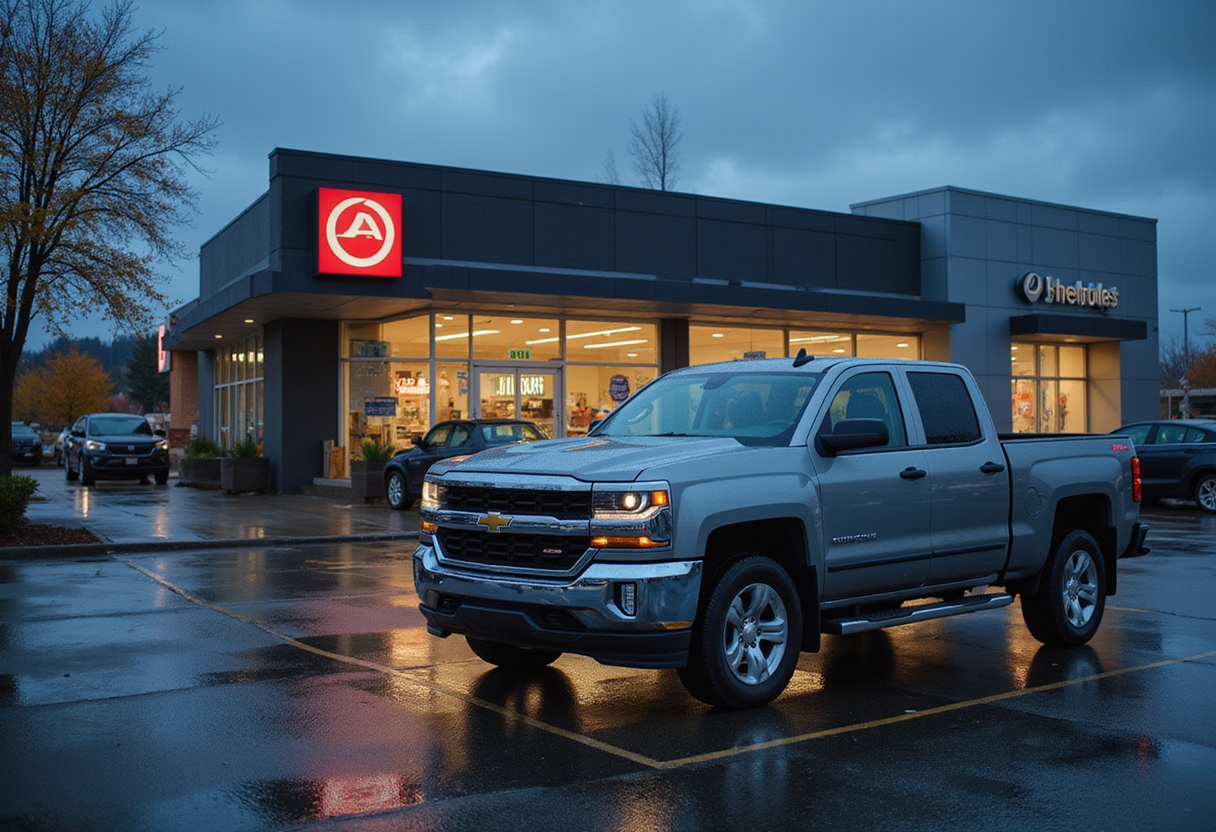
Automakers operating plants on both sides of the US-Canada border entered recent weeks expecting a negotiated trade arrangement with Ottawa and Washington to hold off new duties. It did not happen. Tariffs on the relevant vehicle trade doubled instead, catching manufacturers mid-cycle and leaving assembly plants and their supplier bases repricing cross-border programs that were built around duty-free flow.
The development matters most to the Ontario assembly corridor, where Detroit Three plants and their Tier 1 and Tier 2 suppliers depend on components crossing the border multiple times before a finished vehicle rolls off the line. Under the previous trade framework, that traffic moved without tariffs. A doubled duty rate changes the cost equation on every one of those crossings, not just the final vehicle shipment.
According to BNN Bloomberg's reporting, the industry had reason to believe a deal was close. Automakers, the outlet reports, thought Canada was getting a trade agreement. The outcome — tariffs doubling rather than disappearing — signals either that negotiations collapsed late or that the tariff move was never as contingent on a deal as industry planners assumed.
For plant managers, the distinction between announced intentions and confirmed policy is now the operational question. A doubled tariff is a confirmed, applied cost. A future deal is not. Until a signed agreement exists, sourcing decisions, production scheduling and pricing have to assume the higher duty rate stands.
That assumption pressures the suppliers hardest. Tier 1s shipping stampings, powertrain components and electronics across the border absorb the duty on intermediate crossings if their contracts do not pass it through — and most legacy contracts were written before anyone priced in a doubled rate. Renegotiating those terms will take months. Smaller Tier 2 and Tier 3 firms with thin margins and single-customer dependency face the sharpest squeeze.
For the OEMs, the calculus is equally blunt. Vehicles assembled in Ontario for the US market, and US-built components feeding Canadian assembly, now carry a heavier landed cost. The Detroit Three, Toyota and Honda all run production networks that span the border. None of them can relocate that capacity quickly; assembly lines, tooling and supplier clusters represent billions in sunk investment. In the short term, they will absorb, pass through, or trim margins on the duty — and lobby.
The industry's misread also carries a lesson for program timing. Companies that held off contingency planning while waiting for a deal announcement have lost weeks. Trade-policy exposure now behaves like any other production risk: it needs a plan before the decision lands, not after.
What to watch next: whether Ottawa and Washington reopen talks and on what timetable; whether automakers confirm production shifts, scheduling cuts or pricing actions tied to the doubled rate in coming quarterly disclosures; and whether suppliers begin renegotiating pass-through clauses. The capacity numbers and plant-level impact will show up first in Ontario build schedules — and those schedules, not statements about deals, will tell the real story.
via Google News: Auto industry policy (Source)
More from Marcus Bennett
Show full bio
News editor covering marketplaces and e-commerce at Autoplant Brief.
86 articles
Also circulated
- Auto Tariffs Emerge as Decisive Issue for Canada's Industry
- One Year of U.S. Tariffs on Canada's Auto Sector: Industry Leaders Assess
- U.S. and Canada Trade Blows Over Auto Tariffs
- Trump Doubles Canada Auto Tariffs as Industry Warns of Competitive Hit
- Trump Trade-Deal Threat Puts Canada's Auto Town on the Spot