ECO-4389 · REV H · effective September 30, 2026
Auto Industry PolicyRELEASEDEngineering notice
One Year of U.S. Tariffs on Canada's Auto Sector: Industry Leaders Assess
A year after the U.S. hit Canada's auto sector with tariffs, industry leaders are grading the damage: absorbed costs, strained margins and a border chain still intact.
Scope of change
- One year has passed since the U.S. imposed tariffs on Canada's auto sector
- Industry leaders say the sector absorbed the hit but with strain on production planning, margins and investment
- Canada's assembly base is concentrated in Windsor, Oshawa, Alliston and Cambridge-Woodstock
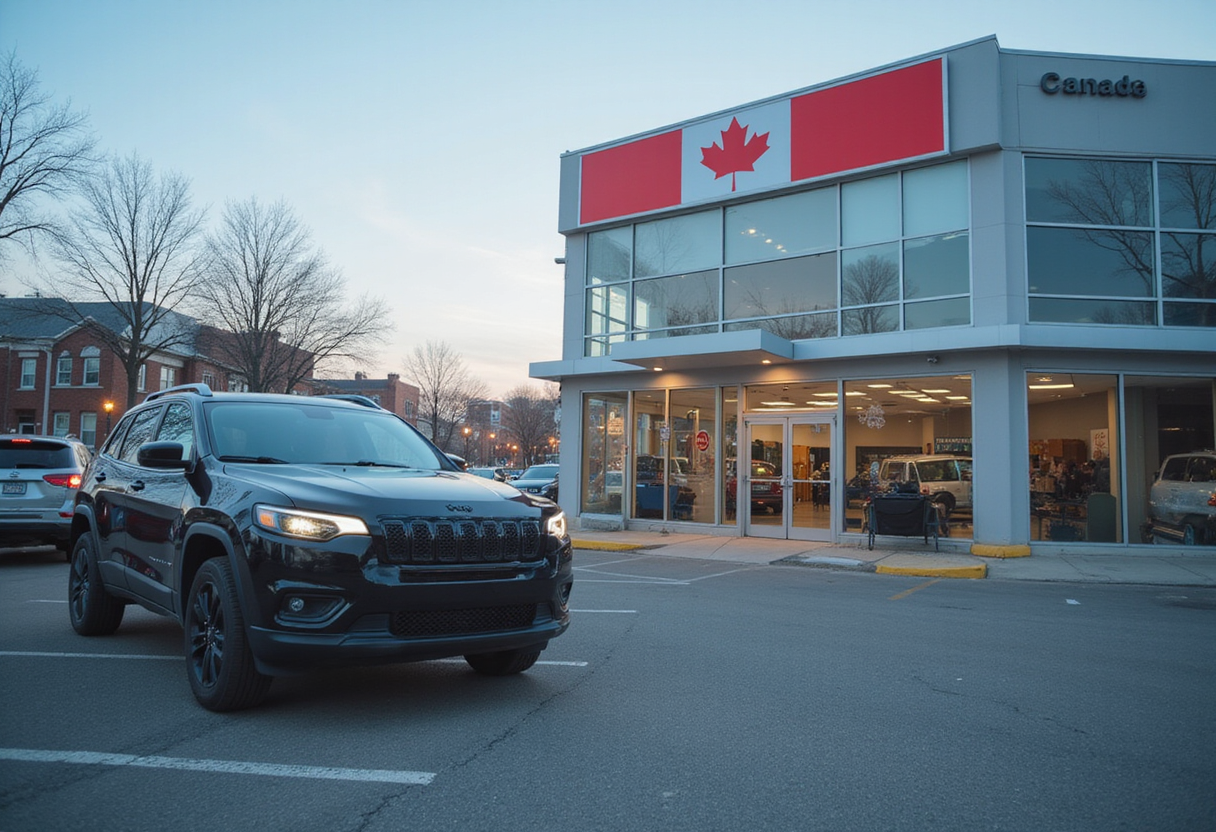
One year has passed since the United States imposed tariffs on Canada's auto sector, and the industry's own leaders are now offering their assessment of the damage.
The tariff decision, which marked a break from decades of duty-free vehicle and parts trade under continental agreements, landed directly on the plants and suppliers that anchor Ontario's auto corridor — the assembly operations of the Detroit Three and the Japanese- and German-owned facilities tied into the same cross-border production chain. Canada's auto manufacturing base, concentrated in and around Windsor, Oshawa, Alliston and Cambridge-Woodstock, depends on parts and vehicles crossing the border multiple times before a finished car rolls off the line.
That integration is precisely what made the tariffs so costly. Industry leaders surveyed by CBC a year into the measure point to the structural problem: when a component can cross the border five to seven times before final assembly, even a modest duty compounds into a significant per-vehicle cost. Their verdict, as reported by CBC, is that the sector has absorbed the hit but not without strain on production planning, supplier margins and investment decisions.
The executives' view matters because the alternative source of authority here is production data — and plant-level numbers, not announcements, will settle the argument. If tariff costs were truly absorbed, assembly volumes and shift schedules at Canadian plants should hold. If not, the evidence will show up as reduced output, deferred tooling programs or supplier exits.
That is the standard the industry's own reporting now invites. Claims of resilience from OEM and supplier executives are, as always, verifiable against capacity utilization and model allocation decisions over the coming quarters.
For plant managers and purchasing teams, the practical questions a year in are narrower. Which programs kept their Canadian content, and which quietly rebalanced toward U.S.-sourced parts? Did any assembly line lose volume to an American sister plant performing the same build? Which tier-two suppliers have gone quiet?
The leaders' scorecard, as CBC reports it, is a checkpoint rather than a conclusion. Tariff policy remains fluid, and the auto sector's integration across the border does not reverse in twelve months. What the first year establishes is the baseline: a cost structure permanently higher than the pre-tariff regime, and an industry still trading across the same border it did before.
What to watch next: whether any OEM formalizes a shift in model allocation away from Canadian plants in the next product-cycle decisions; whether Canadian federal or provincial support programs for auto suppliers expand beyond current levels; and whether bilateral trade talks produce any rollback of the duties — the single policy decision that would reset every cost calculation in this story.
via Google News: Auto industry policy (Source)
More from Marcus Bennett
Show full bio
News editor covering marketplaces and e-commerce at Autoplant Brief.
86 articles