ECO-2655 · REV X · effective October 16, 2026
EV Manufacturing TransitionRELEASEDEngineering notice
VW Prepares Battery Recall for Multiple ID. Models in Europe
VW is preparing a European recall of several ID. electric series over potential high-voltage battery cell defects. Owners should charge only to 80 per cent.
Scope of change
- VW is preparing a recall of several ID. electric series in Germany and other European markets
- Cause: potential defects in high-voltage battery cells
- Interim measure: affected vehicles should be charged only up to 80 per cent
- No vehicle count, model list, or recall date has been released yet
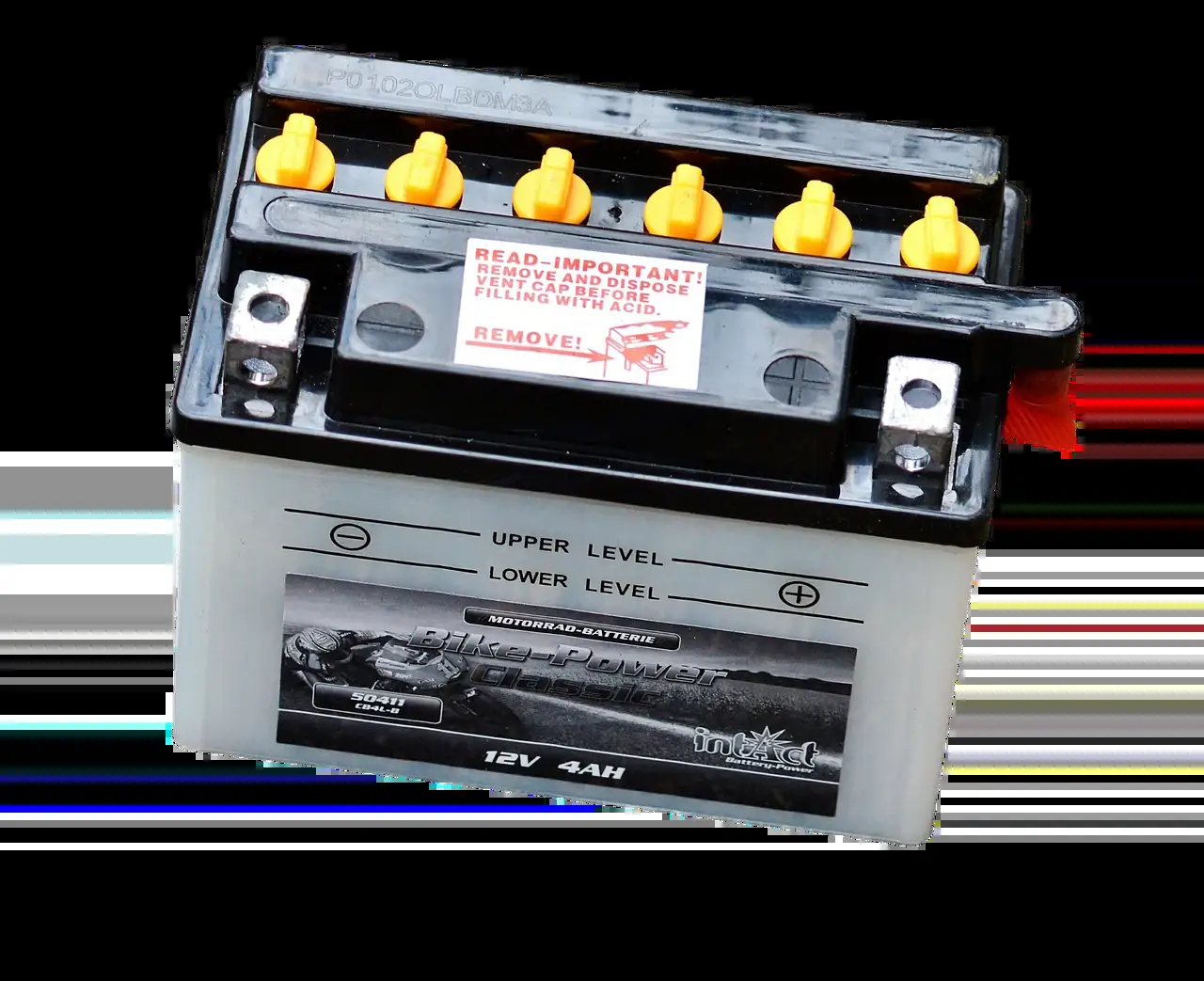
Volkswagen is preparing a recall covering several ID.-series electric models in Germany and other European markets over potential defects in high-voltage battery cells. The fix hasn't landed yet. VW says it is in preparation, not underway.
The visible action for owners is immediate, though. As a precaution, the automaker recommends that affected vehicles be charged only up to 80 per cent of battery capacity until the recall work is done.
What does this change for VW's EV plants?
Nothing on the line itself, yet. A recall rooted in high-voltage battery cells points upstream to cell supply, not to vehicle assembly at VW's Zwickau, Dresden or Emden EV plants. VW builds its ID. models on the MEB platform (the group's dedicated electric vehicle architecture) across those German sites.
What it does change is the warranty and rework math. Battery-cell defects are the costliest failure mode in an EV. Recalls of this type typically mean replacing modules or full packs, not reflashing software. That cost lands on VW regardless of where the cells were made.
The 80 per cent charge cap is the tell. Limiting state of charge reduces stress on potentially faulty cells and lowers thermal risk — a standard interim measure when a cell-level defect is suspected but not yet fully characterized. VW hasn't detailed the defect mechanism, the number of affected vehicles, or the production date ranges involved.
What's confirmed and what isn't
Two facts are confirmed by the company's own guidance: the recall is being prepared for Germany and other European markets, and the interim charging limit is 80 per cent.
Everything else remains open:
- Which ID. variants are affected — VW says only "several electric series"
- How many vehicles are in scope — no figure has been released
- Whether the defect involves a specific cell supplier or production batch — not specified
- Timing of the formal recall filing and owner notification — not yet announced
- Markets beyond Europe — no statement so far
VW has not said whether the affected cells come from its in-house PowerCo battery operations or from external suppliers. That question matters for the supply base. A defect traced to a named cell maker would ripple through that supplier's other OEM contracts; a PowerCo issue would land entirely on VW's own industrialization push.
Why the charging cap matters operationally
An 80 per cent limit cuts usable range by roughly a fifth for affected owners. It also signals VW's engineers see a real risk, not a paperwork issue. Precautionary charge caps have preceded large EV battery recalls elsewhere in the industry, and they usually stay in place until replacement hardware is available at scale.
For dealers and service networks, the recall preparation implies a coming wave of pack or module replacements — labor-intensive work that ties up workshop capacity and high-voltage-certified technicians.
What to watch next
Three things settle this story: the formal recall notice with vehicle counts and build dates, the identification of the cell source behind the defect, and the replacement-part logistics — how quickly VW can supply new modules or packs across European markets. Watch German regulator KBA filings (the federal authority that oversees vehicle recalls) for the official scope.
via handelsblatt.com (Original)
More from Grace Kim
Show full bio
Staff writer covering people, launches and day-to-day practice in Automotive manufacturing and vehicle production at Autoplant Brief.
188 articles