ECO-9594 · REV W · effective September 26, 2026
EV Manufacturing TransitionAPPROVEDEngineering notice
Volvo and Polestar Shift EV Manufacturing Toward the US
Volvo and Polestar are shifting EV manufacturing to the US, Manufacturing Digital reports. No models, plants, volumes or dates given — the move reads as direction, not a confirmed program.
Scope of change
- Manufacturing Digital reports Volvo and Polestar are moving EV manufacturing to the US
- The report names no models, plants, volumes, investment figures or timeline
- Volvo owns a US plant in Charleston, South Carolina; Polestar has no owned US facility
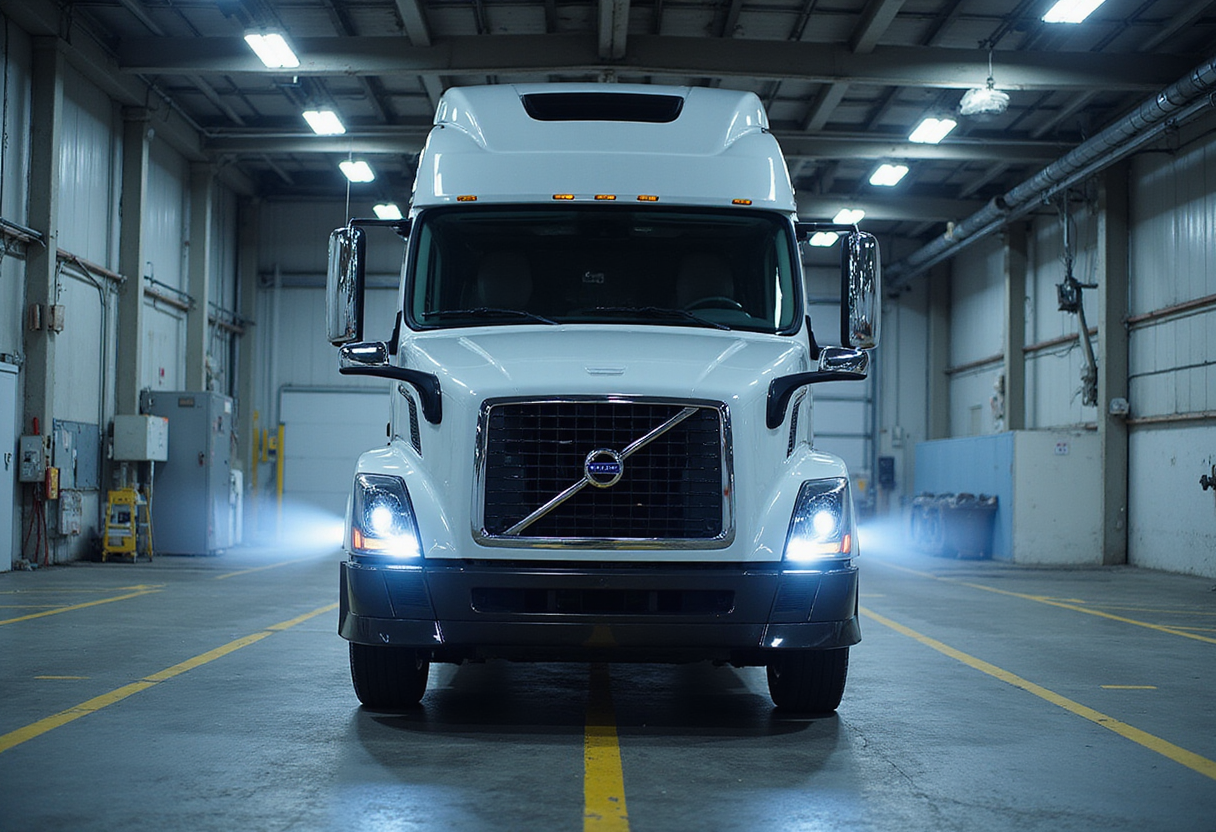
Volvo and Polestar are moving electric vehicle manufacturing to the United States, Manufacturing Digital reports — a shift that would relocate EV output for both brands onto American soil and reshape their transatlantic production footprints.
The reported move covers two distinct companies with intertwined industrial operations. Volvo Cars, owned by Geely Holding, builds its current EV lineup primarily in Europe and China. Polestar, the EV brand that Geely also backs and that Volvo Cars co-founded, has produced its models in China, with additional assembly announced for other regions.
According to the report, both automakers now intend to manufacture EVs in the US. Manufacturing Digital does not specify which models, which plants, or what volumes the shift involves. Volvo operates an existing US facility in Charleston, South Carolina, which currently builds the S60 sedan and has been named in past company statements as a candidate for electrified output. Polestar has no US plant of its own and would need either contract manufacturing capacity or a partner facility to build stateside.
For both brands, US production would carry obvious commercial logic. American-built EVs avoid the import tariffs that apply to vehicles assembled abroad, a cost pressure that has grown as trade policy has hardened on both sides of the Atlantic. Domestic manufacturing also positions the companies to qualify for US EV incentives tied to local assembly and sourcing — although incentive eligibility depends on battery and component sourcing rules that no manufacturing move alone can satisfy.
The report frames the shift as a production relocation rather than a capacity expansion announcement. That distinction matters for suppliers and plant-adjacent businesses tracking the program. A relocation reallocates existing model output to new sites; it does not, by itself, create new volume. Tier suppliers currently feeding Volvo and Polestar EV lines in Europe and China would face redistribution of that work toward US-based tooling, stamping and assembly contracts if the move proceeds as described.
Volvo's industrial network spans plants in Sweden, Belgium, China, the US and, through contract arrangements, other markets. Polestar builds the Polestar 2 in China and has announced production plans for subsequent models in the US and South Korea through partner manufacturing. Against those footprints, the reported US manufacturing shift would consolidate more EV output within one national market — the market where both brands sell a meaningful share of their vehicles.
What the report does not establish is timing. Manufacturing Digital's account carries no launch dates, no capacity figures and no investment size — the three numbers that would normally anchor a program of this scope. Without a stated timeline from either automaker, the report reads as a statement of direction rather than a confirmed production plan.
The verification burden now sits with the companies themselves. Volvo and Polestar have both, in prior public statements, identified the US as a strategically important market, and Volvo's South Carolina plant gives the group an owned American asset around which to plan. Whether the reported manufacturing move translates into specific model assignments, plant upgrades and supplier nominations will show up first in company capital-spending disclosures and plant communications.
For suppliers, the signal is directional but consequential. Any relocation of EV assembly to the US pulls with it sequencing decisions on battery packs, driveline components, interiors and stampings — contracts that typically lock in two to four years ahead of start of production. Suppliers positioned near Southeast US automotive clusters would be natural beneficiaries if Volvo's Charleston plant anchors the program.
Watch next for the concrete markers: a model-to-plant assignment from either automaker, a capital investment figure attached to the US production plan, and any statement on timing for the first American-built EV to roll off the line. Until those numbers appear, the Manufacturing Digital report stands as a reported intention — significant in direction, unconfirmed in detail.
via Google News: EV manufacturing (Source)
More from Daniel Okafor
Show full bio
Senior reporter covering marketplaces and e-commerce at Autoplant Brief.
111 articles