ECO-2827 · REV J · effective September 27, 2026
Auto Industry PolicyRELEASEDEngineering notice
USMCA review talks open July 1 with auto content rules in play
Formal USMCA review talks begin July 1, with the Trump administration pressing for stricter North American auto content rules and tougher enforcement.
Scope of change
- Formal USMCA review negotiations begin July 1, per Automotive News
- Trump administration seeks stricter automotive rules of origin than the current 75% North American content threshold
- Current USMCA rules raised vehicle content requirements from NAFTA's 62.5% to 75%, plus 40-45% high-wage labor content
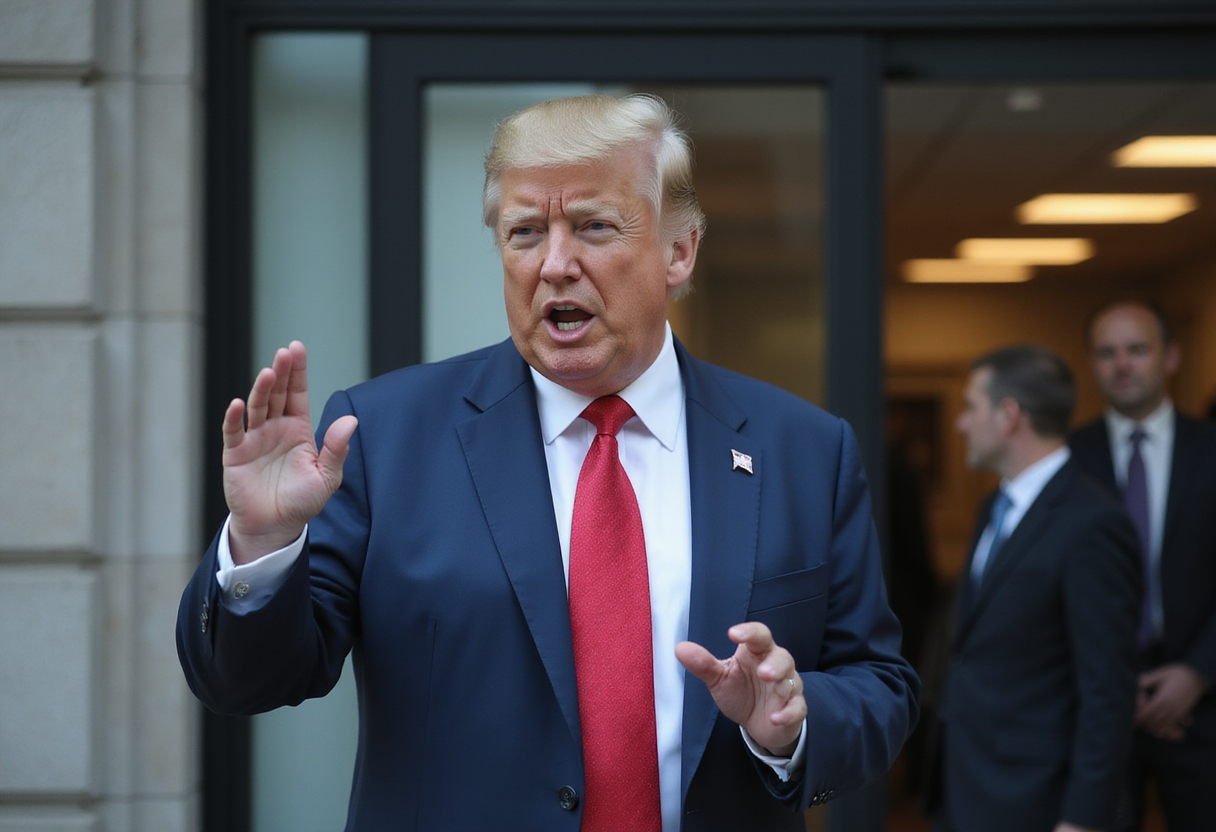
Formal negotiations over the future of the USMCA open July 1, and the Trump administration enters them with one clear demand on the automotive file: stricter rules of origin.
The talks, confirmed by Automotive News, mark the start of the joint review process built into the 2020 trade agreement between the United States, Mexico and Canada. The auto content provisions are the administration's leading target.
Under the current agreement, passenger vehicles must contain 75% North American content to qualify for duty-free treatment, up from 62.5% under NAFTA. Vehicles must also meet separate requirements — 40% for passenger cars and 45% for light trucks — for content produced by workers earning at least $16 per hour. These thresholds reshaped sourcing decisions across the supplier base on all three sides of the border after the agreement took effect.
The administration has signaled it wants those numbers higher, and wants them enforced harder.
For plant managers and Tier 1 sourcing teams, the stakes are direct. Every percentage point added to the content requirement forces a re-audit of bill-of-material origins. Parts now sourced from Asia or Europe for cost reasons may have to be re-shored, dual-sourced within North America, or absorbed at higher landed cost. Suppliers with existing USMCA-qualifying programs hold an advantage; those with marginal compliance — plants sitting just above the current thresholds — face the most exposure.
Mexico and Canada have not publicly agreed to reopen the content rules. Both countries benefited from the investment flows the current framework produced, and both have indicated they want stability in the review rather than renegotiation. How hard the administration pushes, and whether it links auto content to separate tariff actions already in force, will shape the negotiating dynamic from the opening session.
Three sectors of the manufacturing base watch most closely. Assembly plants in Michigan, Ontario and the Mexican Bajío corridor have built their sourcing footprints around the 75% line. Powertrain suppliers, already navigating the engine and transmission content requirements added by USMCA, face a second round of compliance engineering. And steel and aluminum suppliers sit at the base of the content chain, where origin calculations begin.
The review clause itself was designed as a checkpoint, not a teardown. The agreement calls for a joint six-year review, with a 16-year sunset unless the parties renew. But the administration's decision to arrive with specific demands on auto content converts what could have been a procedural confirmation into a substantive negotiation.
Timing matters for program planning. Any new content threshold agreed in the talks would almost certainly carry a phase-in period, as the 2020 rules did. Sourcing teams that waited out the last transition scrambled on labor-value reporting and parts traceability. The lesson from that cycle: compliance engineering takes longer than the phase-in window allows if it starts late.
What to watch next: the July 1 opening session and the US delegation's specific content ask — whether it names a target percentage or leaves the demand open-ended. Watch for Mexico's and Canada's first formal responses, and for any statement from the OEMs — General Motors, Ford, Stellantis, Toyota, Volkswagen of America — whose North American build plans depend on the outcome. The first concrete signal of whether this becomes a genuine renegotiation of the auto rules or a bargaining chip for other trade objectives should emerge within the opening weeks of talks.
via Google News: Auto industry policy (Source)
More from Grace Kim
Show full bio
Staff writer covering industry trends and analytics at Autoplant Brief.
82 articles