ECO-9314 · REV M · effective October 16, 2026
Auto Industry PolicyAPPROVEDEngineering notice
US auto industry warns parts tariffs will lift prices and cut sales
US automakers and suppliers warn new tariffs on imported parts will raise vehicle prices and cut sales; no quantified forecast has yet been published.
Scope of change
- US auto industry warns new tariffs on imported auto parts will raise vehicle prices
- Industry also projects lower sales volumes as a result of the duties
- Warning reported by Reuters; no quantified price or sales impact has been released
- Parts tariffs affect all assemblers importing components, including domestic plants
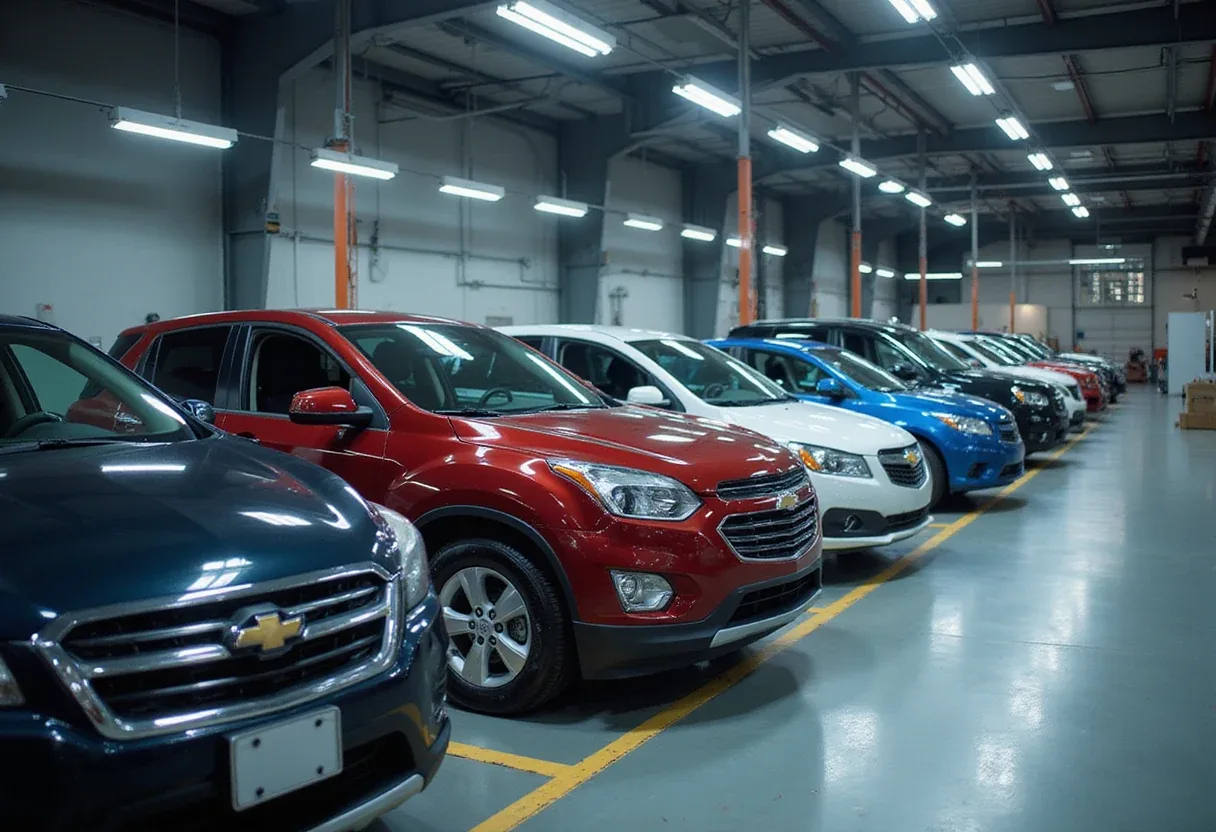
Washington's latest auto parts tariffs have drawn a blunt warning from the US auto industry: prices will rise and sales will fall. Reuters reports the industry's response to the new duties, which extend the trade measures that already cover imported vehicles.
The warning comes from the industry itself, not from independent forecasters. That distinction matters. Automakers and parts suppliers have a direct commercial stake in tariff relief, so their projections deserve scrutiny against actual transaction and registration data in the months ahead.
What is the industry actually claiming?
The core claim is simple. Tariffs on imported parts raise input costs for plants across North America, even those that assemble vehicles domestically. Higher input costs flow into sticker prices. Higher prices suppress demand.
Reuters carries the industry's warning that the new parts tariffs will hike prices and cut sales. The claim rests on a structural fact of the supply chain: no vehicle built in the US uses only US-made parts. Engines, transmissions, electronics and wiring harnesses cross borders repeatedly before final assembly.
What the reporting does not yet provide is a quantified figure for the expected price increase or the projected sales decline. The industry has warned of direction, not magnitude. Without numbers attached to named forecasters, these projections remain claims to verify, not settled outcomes.
How do parts tariffs differ from vehicle tariffs?
Earlier rounds of trade measures targeted finished imported vehicles. Parts tariffs reach deeper into the manufacturing base. They affect every assembler that imports components, regardless of where the vehicle itself is bolted together.
That breadth is the industry's central objection. A tariff on finished imports protects some domestic assembly. A tariff on parts raises costs for all assembly, domestic plants included. Suppliers, already squeezed on margins, may absorb part of the cost before it reaches consumers — but absorption has limits.
Who carries the cost?
The industry warning implies a chain of burden-sharing. Suppliers face margin pressure. Automakers decide how much to pass through to buyers. Consumers face higher prices, and higher prices cut sales volumes.
Lower volumes then feed back into plant scheduling and parts orders. This is the mechanism behind the industry's sales-decline warning, and it is the one to watch in monthly sales and production data rather than in press statements.
What to watch next
Three verification points will test the industry's warning against reality:
- Average transaction prices on new vehicles in the months after the tariffs take effect
- Monthly SAAR figures, to see whether demand actually softens
- Any quantified industry or analyst forecast that puts a dollar or unit figure on the impact
The industry has stated its case. The data has not yet ruled on it.
via Google News: Auto industry policy (Source)
More from Amara Osei
Show full bio
Market editor covering technology and product news in Automotive manufacturing and vehicle production at Autoplant Brief.
220 articles
Also circulated
- Trump's 50% Auto Tariff Threat Aims at Imports, May Hit U.S. Automakers
- US Moves to Ease Auto Tariffs, Transport Topics Reports
- Tariffs and Policy Shifts Risk Walling Off U.S. Auto Industry
- Trump Defends Tariff Policy, Claims Revival of Auto Manufacturing
- Trade Report Warns Tariffs Will Upend North American Auto Industry