ECO-7476 · REV U · effective October 9, 2026
Auto Industry PolicyAPPROVEDEngineering notice
Trump threatens to double U.S. auto tariffs on Canada
Trump has threatened to double U.S. auto tariffs on Canada after bilateral trade talks collapsed, declaring 'We don't need Canada' as cross-border auto trade tensions escalated further.
Scope of change
- Trump has threatened to double U.S. auto tariffs on Canada, per France 24.
- The threat follows the collapse of bilateral trade talks between the two countries.
- Trump's direct quote in the report: 'We don't need Canada.'
- France 24's dispatch did not specify the current tariff rate that would be doubled.
- No effective date for the threatened tariff doubling was detailed in the report.
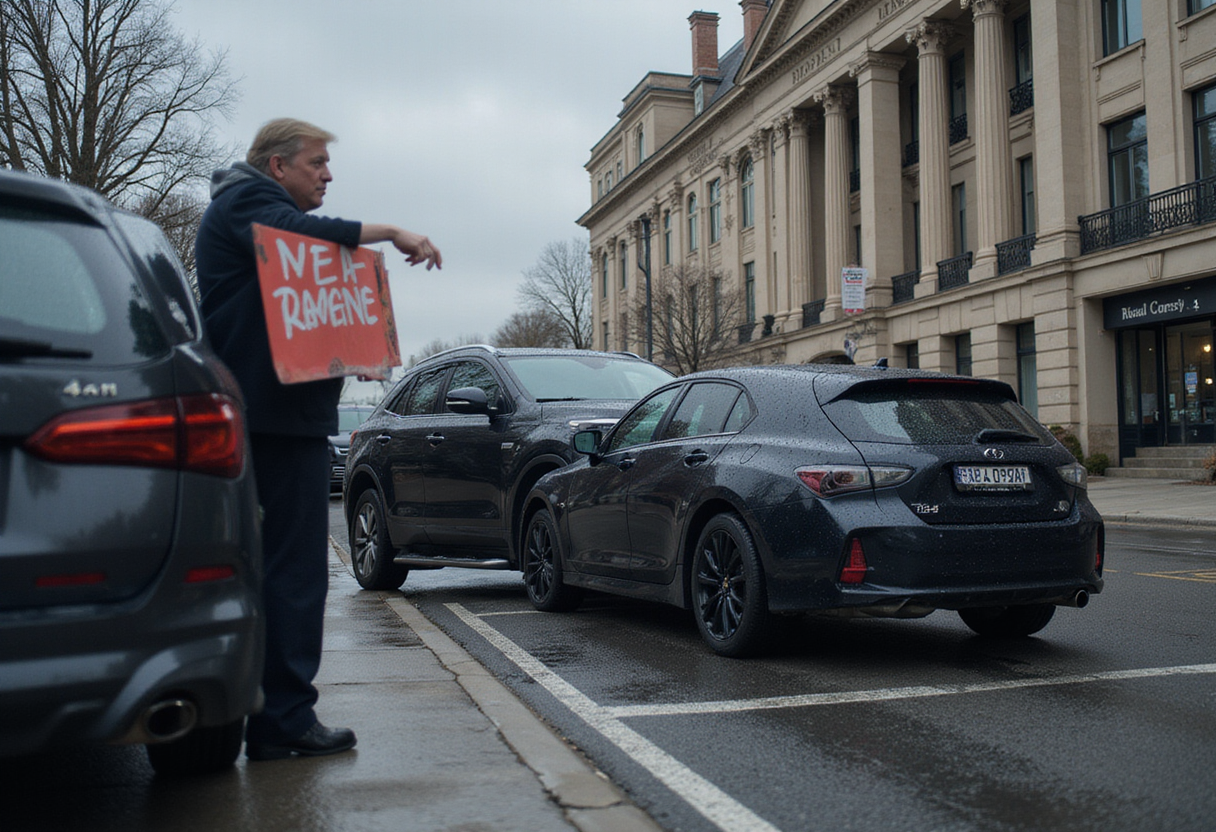
President Donald Trump has threatened to double U.S. auto tariffs on Canada following the collapse of bilateral trade talks, according to a France 24 dispatch.
The specific level of the threatened tariff and the date of the statement were not detailed in the France 24 report, which carried Trump's direct quote: "We don't need Canada." The threat escalates a long-running trade dispute that has repeatedly rattled cross-border automotive manufacturing.
What does "doubling" mean for the auto sector?
France 24's headline captures the policy direction, but the dispatch does not specify the current rate that would be doubled. Under previous rounds of U.S. tariff action against Canada, duties on finished vehicles and parts have ranged well above standard MFN rates.
For automakers operating integrated North American production, the cost arithmetic is straightforward: vehicles and components that cross the Canada-U.S. border face duty on gross value, not on the value added at each stage. A doubling of the existing rate would push landed costs on Canadian-built vehicles meaningfully higher and ripple through dealer invoice pricing on both sides of the border.
The full tariff typically applies at the border crossing, not at final sale, leaving OEMs and suppliers to negotiate the split between themselves and their dealer networks.
Who would absorb the hit?
Without official figures in the dispatch, suppliers and OEMs will likely wait for a formal proclamation before recalculating exposure. Detroit-based assemblers with Canadian plants, alongside Asian OEMs that build in Ontario for the U.S. market, sit at the front of the queue.
Tier-1 suppliers shipping engines, transmissions and stamped body panels across the border would face parallel exposure. Smaller component makers with limited pricing power would carry the most pressure, particularly those running on thin margins already compressed by labor and steel costs.
A tariff doubling also reshapes sourcing decisions already in motion. Programs planned around Canadian content to satisfy USMCA preferences could face a sudden re-rating.
What is the dispute's track record?
The U.S. and Canada have gone through multiple tariff cycles over the past decade, with duties imposed, renegotiated, and partially lifted on steel, aluminum, and finished goods. Canada has previously responded with reciprocal countermeasures.
The Trump statement signals that the next cycle is already underway, with the auto sector explicitly in the crosshairs. Industry lobbying through the Canadian Vehicle Manufacturers' Association and the U.S.-based Alliance for Automotive Innovation has typically focused on preserving integrated production rather than picking sides.
What to watch next
- A formal White House proclamation specifying the new tariff rate and effective date
- Statements from the Alliance for Automotive Innovation or the Canadian Vehicle Manufacturers' Association
- Reaction from provincial governments in Ontario and Quebec, home to most Canadian assembly capacity
- Whether Canada signals reciprocal action or files a USMCA dispute challenge
The U.S.-Canada auto trade corridor remains among the most integrated manufacturing channels in the world, with vehicles and parts crossing the border multiple times during a single production run. Any tariff doubling would test that supply chain at a moment when North American OEMs are already absorbing costs tied to electrification mandates, battery sourcing rules, and shifting consumer demand.
via Google News: Auto industry policy (Source)
More from Daniel Okafor
Show full bio
Senior reporter covering marketplaces and e-commerce at Autoplant Brief.
176 articles
Also circulated
- Trump Doubles Canada Auto Tariffs as Industry Warns of Competitive Hit
- Trump threatens to double Canadian auto tariffs in new escalation
- Toyota and Honda Face Potential Tariff Bill Under Trump's Canada Duties
- Trump Threatens 50% Auto Tariffs on Canada: What It Means
- Canadian Auto Sector Braces as Trump Floats New Tariff Threats