ECO-3379 · REV F · effective October 16, 2026
Auto Industry PolicyRELEASEDEngineering notice
Toyota Turns Its Own Channel on U.S. Tariffs and the Industry's Next Move
Toyota's in-house Toyota Times Business devotes a segment to U.S. tariffs and the industry's future — a framing exercise, not yet a capacity or investment decision.
Scope of change
- Toyota published a Toyota Times Business segment titled "U.S. Tariffs: Considering the Future of the Auto Industry"
- The segment ran on Toyota Times, the automaker's in-house news platform
- No production numbers, investment figures or timing commitments accompanied the segment
- The U.S. tariff regime on vehicles and parts frames the discussion
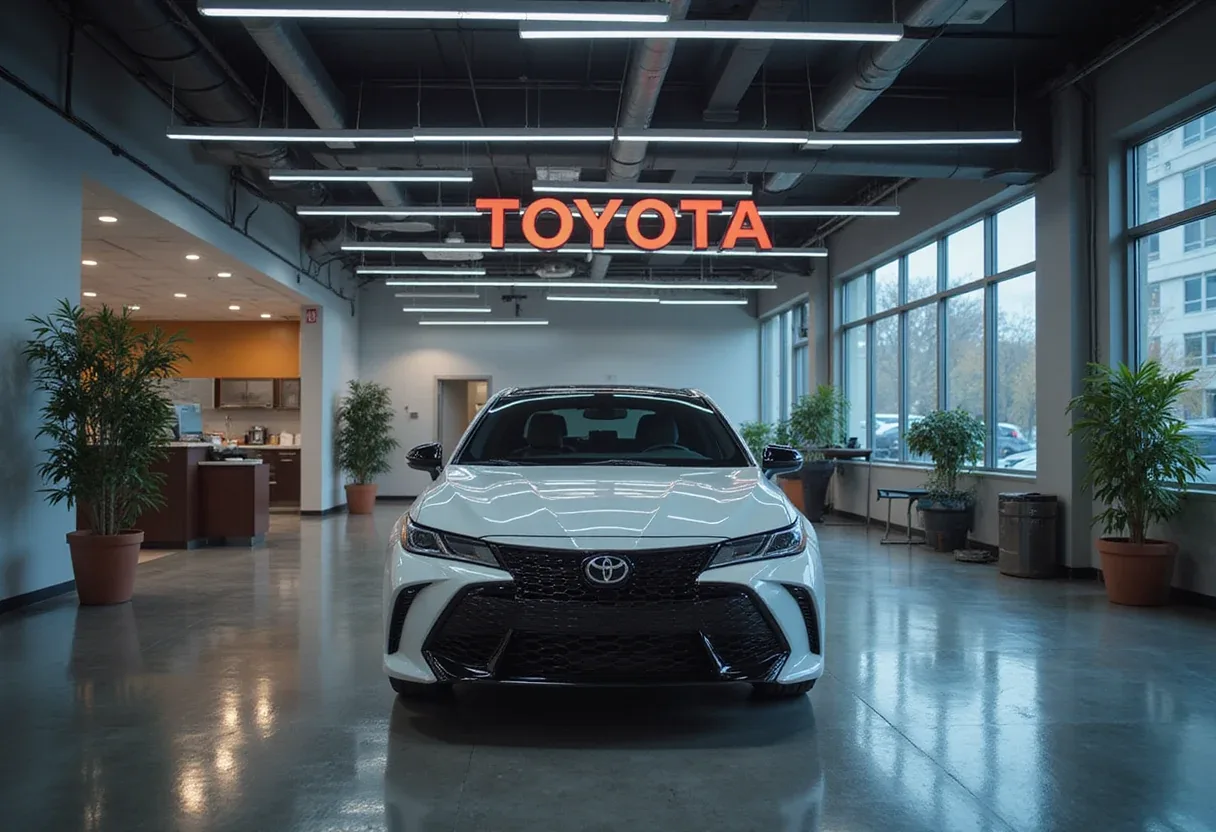
Toyota has put the U.S. tariff question on its own editorial agenda, publishing a Toyota Times Business segment titled "U.S. Tariffs: Considering the Future of the Auto Industry." The piece ran on the automaker's in-house news platform, Toyota Times, which the company uses to address business and policy topics beyond product publicity.
What does this change for plant planners? On its own, nothing operational. The segment is a discussion piece, not a capacity announcement, and Toyota has not attached new production numbers, investment figures or timing to it. Its significance is signaling: the world's largest automaker by volume is treating the American tariff regime as a strategic issue worth explaining publicly, in Japanese, to its home audience.
Toyota Times, launched as the company's official news outlet, mixes corporate announcements with commentary on industry conditions. Business-focused episodes typically feature executives or outside guests discussing policy and market shifts. This edition centers on how U.S. duties reshape decisions across the auto industry — from sourcing to pricing to where vehicles get built.
The context matters for manufacturing readers. The U.S. has imposed additional tariffs on imported vehicles and parts, forcing OEMs with export-heavy North American strategies to weigh higher landed costs against re-shoring capital spending. Toyota builds large volumes in the U.S. already, but also imports vehicles and components that now carry duty exposure.
What the segment actually is
Treat it as an OEM framing exercise, not a disclosure event. Key distinctions for the trade reader:
- Format: A Toyota Times Business video/text segment on the in-house platform, not a regulatory filing or press release
- Subject: The future direction of the auto industry under U.S. tariffs
- Confirmed actions: None stated in the available material — no plant shifts, capacity changes or pricing moves announced
- Speaker attribution: Toyota Times content; individual participants were not identified in the available summary
Supplier and vendor commentary on tariffs deserves the same skepticism applied to any claim against production data. An OEM saying it is "considering the future" is an intention to frame debate, and this segment sits firmly in that category until Toyota attaches plants, programs or dollars to it.
What does this change for Toyota's footprint?
Nothing yet, on the evidence available. The company's North American plants, its import mix and its supplier network all remain as they were. What the segment signals is that Toyota's leadership sees tariff policy as durable enough to plan around rather than wait out — otherwise it would not spend editorial bandwidth on it.
Watch next for the harder signals: any Toyota announcement shifting vehicle allocation between Japan-built and U.S.-built lines, revised pricing for imported models, or capital-allocation language in the company's next financial results. Those disclosures, not the talk-show format, will tell plant planners whether the world's biggest automaker is adjusting where it builds what.
via Google News: Auto industry policy (Source)
More from Grace Kim
Show full bio
Staff writer covering people, launches and day-to-day practice in Automotive manufacturing and vehicle production at Autoplant Brief.
184 articles
Also circulated
- Tariffs and Policy Shifts Risk Walling Off U.S. Auto Industry
- Japanese automakers extend U.S. footprint past tariff calculus
- Toyota and Honda Face Potential Tariff Bill Under Trump's Canada Duties
- Trade Report Warns Tariffs Will Upend North American Auto Industry
- Tariffs, Chinese Rivals and EV Slowdown Drag Auto Sector Into Losses