ECO-1822 · REV G · effective November 16, 2026
Powertrain ProductionAPPROVEDEngineering notice
Toyota Kirloskar Auto Parts Puts ₹460 Crore Into New E-Drive Line
TKAP's new ₹460 crore E-Drive line at Bidadi adds 200,000 units of annual capacity, lifting total output to 360,000 units under India's PLI scheme.
Scope of change
- TKAP invested approximately ₹460 crore in a new E-Drive line at Bidadi, Bengaluru.
- The line adds 200,000 units of annual capacity, bringing TKAP's total E-Drive capacity to 360,000 units per annum.
- The E-Drive systems qualify under the Advanced Automotive Technology category of India's PLI scheme.
- The investment forms part of a ₹4,800 crore MoU between Toyota Group companies and the Government of Karnataka.
- The new line operates alongside TKAP's 4th Generation E-Drive line, commissioned in 2022.
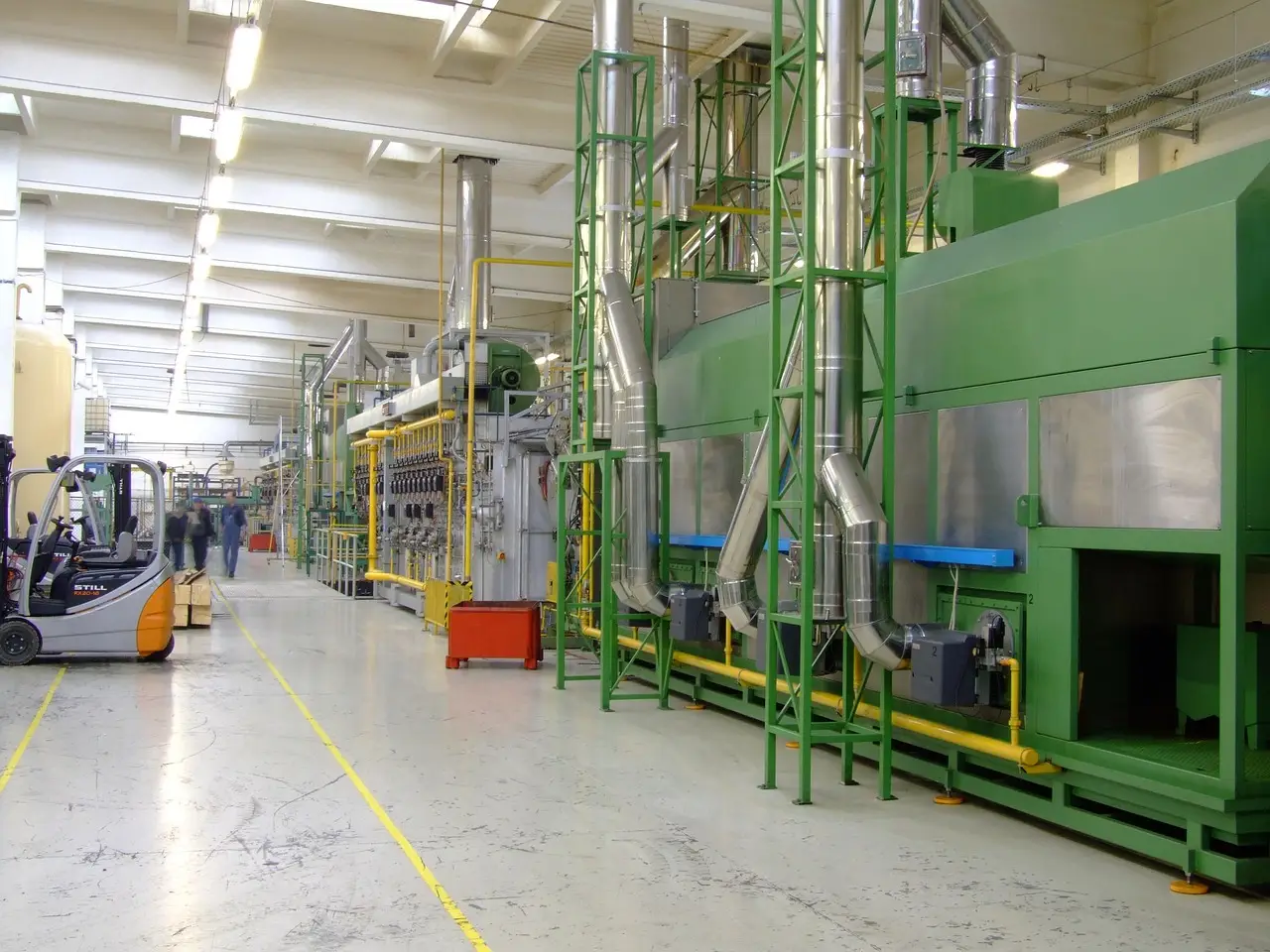
Toyota Kirloskar Auto Parts Pvt. Ltd. (TKAP) has invested approximately ₹460 crore in a new E-Drive manufacturing line at its Bidadi facility in Bengaluru, Karnataka. The line adds 200,000 units of annual capacity and lifts TKAP's total E-Drive output capability to 360,000 units per annum.
The new line sits alongside TKAP's existing 4th Generation E-Drive line, commissioned in 2022. It will produce E-Drive systems classified under the Advanced Automotive Technology (AAT) category of the Government of India's Production Linked Incentive (PLI) scheme — the incentive programme that pays manufacturers against incremental sales of locally made advanced components.
Where does the money sit in Toyota's India plan?
The ₹460 crore is drawn from a larger ₹4,800 crore memorandum of understanding signed between Toyota Group companies and the Government of Karnataka. The stated aims are straightforward: raise domestic manufacturing, cut import dependence and deepen India's supply chain for electrified powertrain technologies.
For component makers and Tier 1 suppliers tracking localisation targets, the relevant point is scale. An installed base of 360,000 E-Drive units per year signals Toyota's intent to source its hybrid drivetrain hardware — the motors, gears and power electronics packages that E-Drive units bundle — substantially from Indian plants rather than imports.
What did Toyota's leadership say?
Manasi Tata, Vice Chairperson of Toyota Kirloskar Motor, framed the line as a localisation milestone. "The commencement of our new E-Drive manufacturing line marks a significant milestone in Toyota's commitment to localizing advanced electrified technologies in India," she said. She added that expanding local production of next-generation hybrid technologies supports India's electrification while strengthening the domestic automotive value chain, and thanked both the Karnataka state and central governments for their support.
Tabrez Ahmed, Managing Director of TKAP, pointed to the supplier ecosystem angle. "The new E-Drive manufacturing line builds on the strong foundation of our 4th Generation line and raises the bar for technology driven manufacturing in India," he said. Producing the technology locally, he argued, lets the company deepen its supplier base and build a skilled workforce while delivering safe, eco-friendly products.
What does this change for practitioners?
For suppliers already tied into Toyota's India ecosystem, the capacity increase means more local content requirements flowing down the chain, particularly for the sub-components that feed E-Drive assembly. For competing powertrain component makers, it confirms that hybrid technology — not only battery-electric — remains a volume pillar in Toyota's India strategy, consistent with the company's stated multi-pathway approach.
The PLI classification matters commercially. AAT-status components qualify for incentive payouts, which improves the economics of local production against imported units and effectively sets a floor for where Toyota will source this hardware.
What to watch next
Watch for the ramp curve at Bidadi: how quickly the new line moves from inauguration toward the 360,000-unit combined ceiling, and whether Toyota discloses PLI-linked production claims in its filings. Also worth tracking is how much of the remaining ₹4,800 crore MoU with Karnataka gets allocated to further manufacturing announcements, and which local suppliers are named as the line's content partners.
via EVreporter (Source)
More from Marcus Bennett
Show full bio
News editor covering regulation, policy and their impact on Automotive manufacturing and vehicle production at Autoplant Brief.
321 articles
Also circulated
- Karnataka Clears Tsuyo's ₹250 Crore EV Powertrain Plant
- Tsuyo Manufacturing Signs LOI for Karnataka EV Powertrain Plant
- Uno Minda Commits ₹550 Crore to Maharashtra EV Powertrain Plant
- Audi India Weighs Local EV Production as It Targets 16% Market Share
- Stellantis Puts $421.5m More Into India, Targets 45,000 Units