ECO-9256 · REV M · effective October 10, 2026
Vehicle Plants & ProductionAPPROVEDEngineering notice
Toyota halts four Thai plants, Honda suspends output Oct 2-6 as floods hit supply
Toyota closed four Thai plants on Sept 30, including Ban Pho building the Hilux, while Honda halts Prachin Buri and Ayutthaya output Oct 2-6 as floods cut parts supplies.
Scope of change
- Toyota shut four Thai plants on 30 September, including Ban Pho in Chachoengsao, which builds the Hilux and Fortuner.
- Honda suspends production at its Prachin Buri and Ayutthaya plants from 2 to 6 October.
- Flooding hit automotive zones in Rayong, Chachoengsao and Chon Buri provinces, inundating component plants and cutting worker access.
- Toyota has not set a restart date; both automakers plan extra shifts later in October to recover lost output.
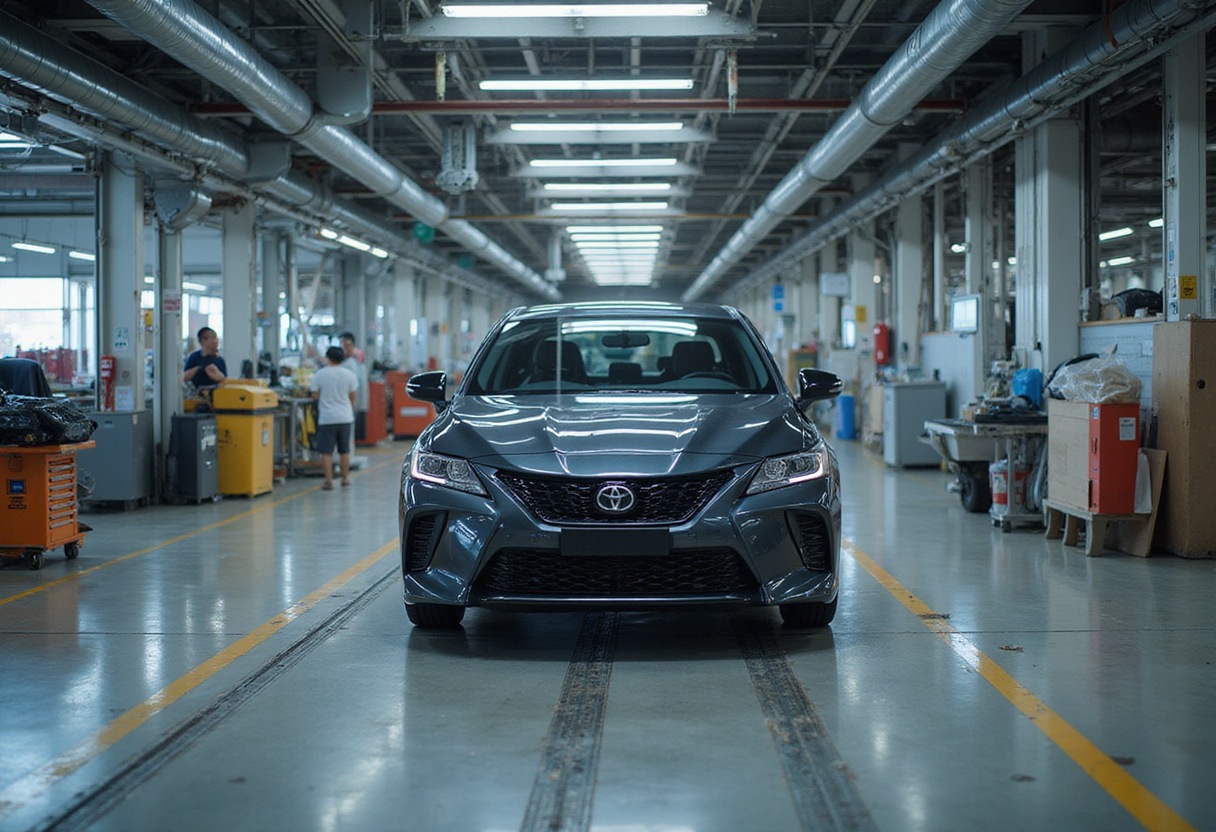
Toyota shut down four Thai plants on 30 September, including its main assembly site at Ban Pho in Chachoengsao province, as heavy monsoon flooding severed component supply lines and cut off worker access across Thailand's eastern automotive corridor.
Honda Motor followed, suspending production at its Prachin Buri and Ayutthaya plants from 2 to 6 October. The company said component suppliers in Chon Buri and Rayong provinces cannot deliver parts because of severe flooding in those industrial zones.
The stoppages hit two of Thailand's largest automakers at the heart of the country's vehicle manufacturing base.
Which plants are down?
- Toyota: four plants closed from 30 September, among them the Ban Pho main assembly plant in Chachoengsao, which builds the Hilux pickup and the Fortuner SUV, plus a facility run by its Toyota Auto Works joint venture.
- Honda: Prachin Buri and Ayutthaya plants idle from 2 to 6 October.
Toyota said it is working closely with suppliers to restore deliveries but has not announced a specific restart date. That absence of a timeline is the key uncertainty in the story: a parts shortage measured in days can be recovered with extra shifts, but a flooded tier-1 or tier-2 plant extends the outage.
What caused the shutdowns?
A week of heavy monsoon rain flooded large parts of Bangkok and surrounding areas. According to local reports, key automotive industrial zones in Rayong, Chachoengsao and Chon Buri provinces suffered severe flooding.
The disruption runs along two channels:
- Many component manufacturing plants were directly inundated.
- Floodwater cut off access for workers and logistics providers, compounding the parts shortage with absenteeism.
Both automakers have allowed employees to take time off to deal with flood damage to their homes and personal property.
What happens to the lost volume?
Toyota and Honda said they plan to add extra shifts later in October to recover the lost production. That commitment is an announced intention, not a confirmed schedule — recovery timing depends on how quickly suppliers in Rayong and Chon Buri restore deliveries and dry out flooded facilities.
Neither company has disclosed the expected output loss in units.
What to watch next
The first signal is Toyota's restart date for the four closed plants, which it has yet to set. Watch also for supplier-by-supplier recovery reports from the flooded industrial estates in Rayong and Chon Buri, and confirmation that the extra shifts later this month actually recover the volume. If flooding persists into a second week, the October recovery plan comes under pressure.
via just-auto (Source)
More from Sophie Lindqvist
Show full bio
Correspondent covering business strategy at Autoplant Brief.
172 articles