ECO-4644 · REV U · effective October 9, 2026
Vehicle Plants & ProductionAPPROVEDEngineering notice
Toyota commits $1.34 billion to Argentina EV plant
Toyota will allocate $1.34 billion to an EV plant in Argentina, per a TradingView report. Site, capacity, start of production and job numbers remain undisclosed in the available summary.
Scope of change
- $1.34 billion committed by Toyota for an EV plant in Argentina
- Toyota is the investing Japanese OEM
- Plant designated for electric vehicle production
- Site, capacity, start of production and job figures not disclosed in available summary
- Argentina sits within the lithium triangle, holding major EV battery raw material reserves
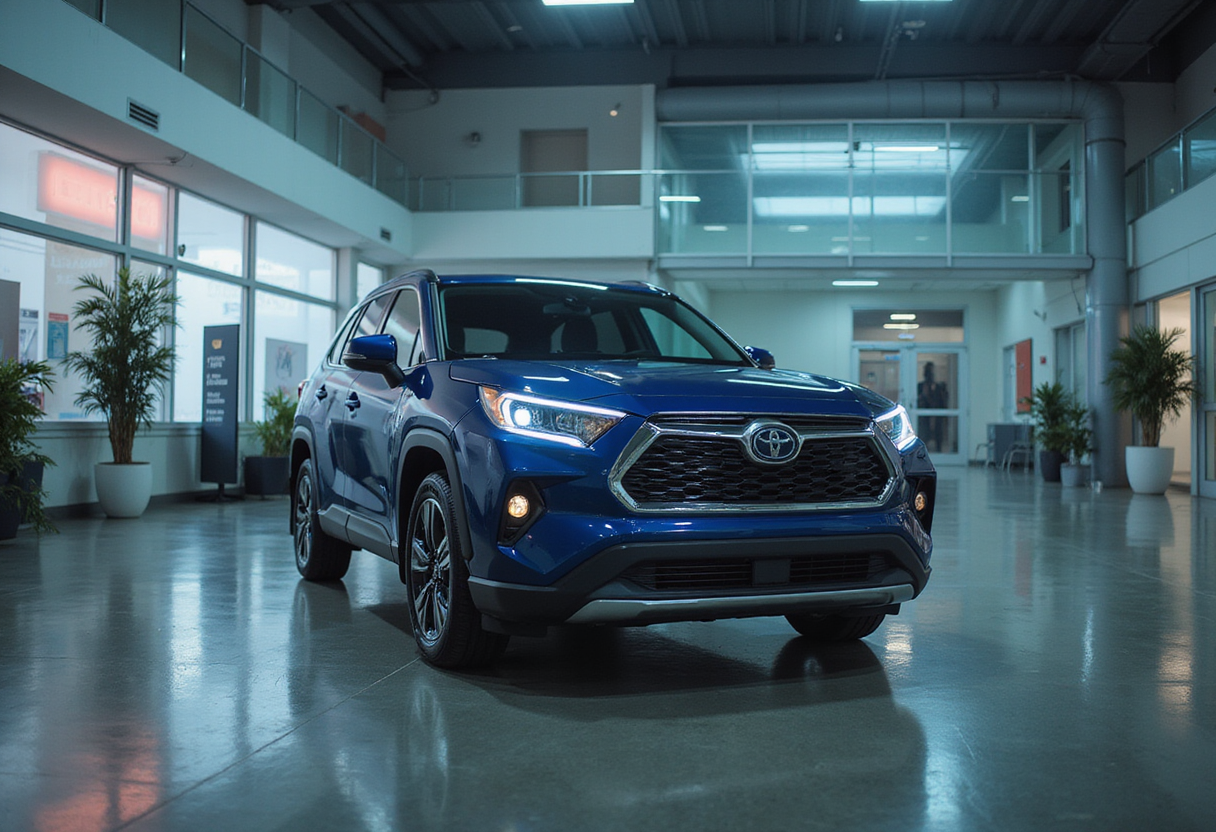
Toyota will allocate $1.34 billion to an electric vehicle plant in Argentina, according to a TradingView report.
The commitment, if executed at the stated scale, ranks among the largest single-OEM EV plant investments announced in South America. The figure clears the $1 billion threshold that industry analysts typically associate with greenfield vehicle assembly facilities producing at scale.
Toyota did not, in the publicly available summary of the report, identify the specific site within Argentina, the plant's installed capacity, the planned start of production, or the vehicle nameplates assigned to the line. Those details will determine whether the project represents a conversion of an existing facility or a purpose-built greenfield site.
Why Argentina, why now?
Argentina's auto sector has lost output for more than a decade. Production peaked above 800,000 units in 2011 and has since declined significantly, with several plants operating below 50% of installed capacity. The country competes with Brazil for regional vehicle programs, and Brazilian operations have generally captured the largest share of recent allocations.
A $1.34 billion commitment from Toyota would mark one of the largest single-OEM investment announcements in Argentina in recent years. The dollar value implies a facility sized for meaningful volume rather than a limited niche program. Officials in Buenos Aires and the major producing provinces will look to the project as a confidence signal for an industry that has struggled to win new allocations.
What battery strategy will Toyota deploy?
Argentina sits within the "lithium triangle" alongside Bolivia and Chile, holding some of the world's largest identified reserves of the metal used in EV battery cathodes. Whether Toyota intends to source lithium, cells or complete modules locally, regionally, or from existing battery operations in Japan and the United States will shape the project's economics and its political reception.
The company's prior battery strategy has favored captive cell production tied to specific vehicle programs. An Argentine plant would require either a parallel battery supply plan or integration with one of Toyota's announced battery hubs. Any local lithium processing commitment would be a notable addition to the investment.
How does this fit Toyota's EV footprint?
Toyota has historically pursued a multi-pathway electrification strategy, investing in hybrids, plug-in hybrids, battery EVs and hydrogen fuel cell vehicles in parallel. The company's first dedicated battery-EV plants announced in recent years have focused on Japan, China and the United States.
An Argentine plant would extend that production footprint into a market that has so far drawn limited dedicated BEV manufacturing investment from Japanese OEMs. European and American automakers have moved more aggressively to commit South American facilities to EV output over the past three years.
What to watch next?
- Plant site: confirmation of whether the investment targets an existing Toyota facility or a greenfield location
- Production start: the timeline for tooling, supplier onboarding and first vehicle
- Battery sourcing: whether local lithium or Argentine cell production features in the supply plan
- Job impact: headcount at the plant and at tier-one suppliers
- Incentives: whether the $1.34 billion figure includes national or provincial subsidies
via Google News: EV manufacturing (Source)