ECO-8479 · REV H · effective November 6, 2026
Suppliers & Tier-1sRELEASEDEngineering notice
Tesla Lifts Shanghai Localization to 98%, Exporting 60-Plus Chinese Suppliers
Tesla says 98% of parts at Gigafactory Shanghai are now locally sourced, with over 60 Chinese tier-1 suppliers feeding its global supply chain. October China wholesales hit 67,829 units.
Scope of change
- Tesla raised Gigafactory Shanghai's parts localization rate to 98%, disclosed at the ninth CIIE in Shanghai.
- More than 400 Chinese tier-1 suppliers are signed, with over 60 in Tesla's global supply chain.
- Gigafactory Shanghai has about 1 million units of annual capacity; 810,889 wholesale sales in the first 10 months, up 21.42% year-on-year.
- October China wholesales totaled 67,829 vehicles, up 10.30% year-on-year but down 28.88% month-on-month.
- The plant produces one vehicle every 30-plus seconds on average, with industrial waste utilization above 94%.
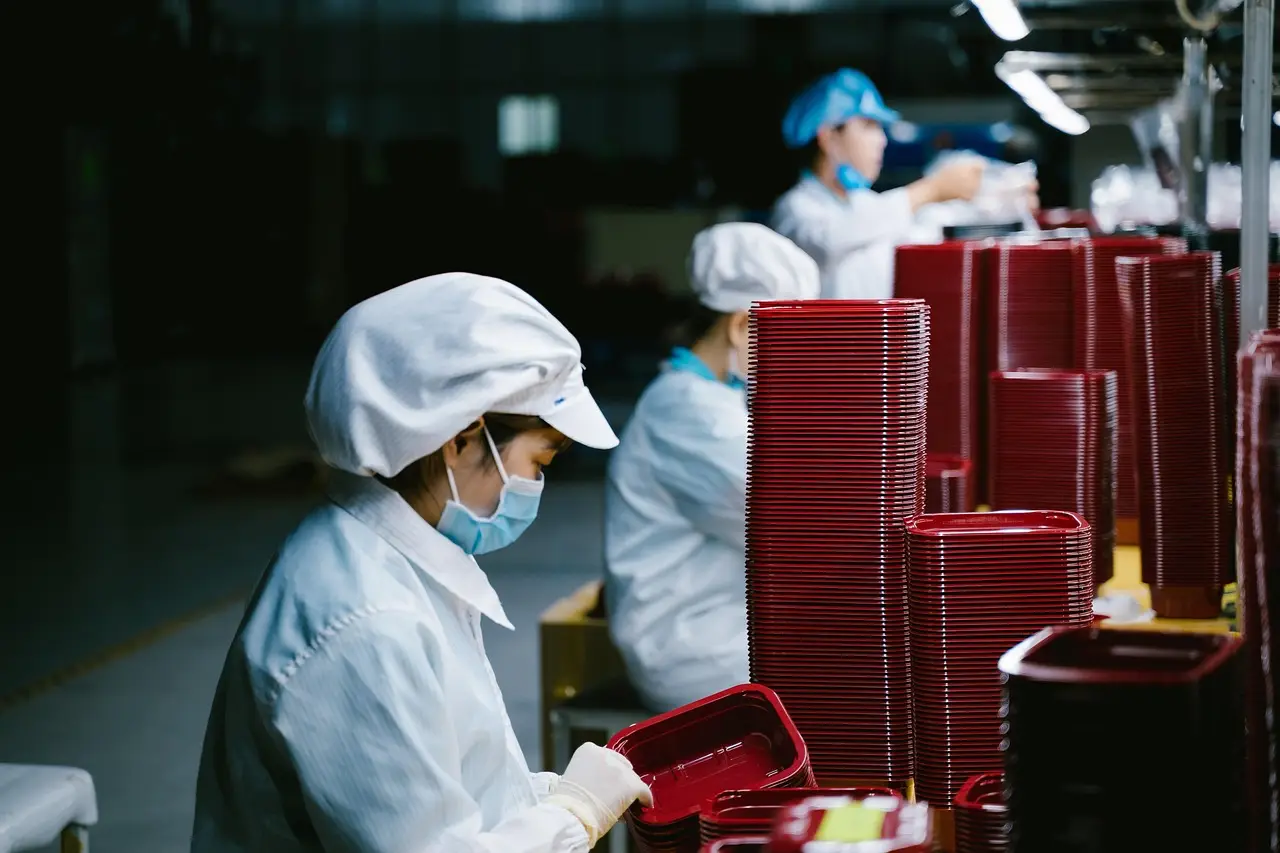
Tesla has raised the parts localization rate at Gigafactory Shanghai to 98%, according to an official press release issued during the ninth China International Import Expo (CIIE), which opened in Shanghai on Thursday. The figure tightens the US automaker's dependence on Chinese suppliers at its largest production base worldwide, and it supersedes the "over 95%" localization rate Tesla had cited for several years.
The company has signed more than 400 local tier-1 suppliers (direct suppliers that deliver parts to the manufacturer rather than through intermediaries) in China. More than 60 of them have entered Tesla's global supply chain system, meaning parts developed for Shanghai now feed vehicle programs outside China.
How deep does the Chinese collaboration go?
The relationship extends beyond purchasing into product development. Comfort features such as the armrest and leg supports on the seats of the Model Y L were co-developed by Tesla and Chinese suppliers to meet local user needs.
The Model Y L illustrates how a China-first program can go global. The model launched first in the Chinese market, then entered Asia-Pacific markets including Japan, South Korea and Australia, and reached the US market in July this year.
This year also marks the fifth anniversary of the completion of Tesla's Shanghai R&D and Innovation Center, the facility through which much of that joint development work runs.
What does the plant itself look like?
Gigafactory Shanghai broke ground in January 2019 and began production at the end of the same year. It is China's first wholly foreign-owned vehicle manufacturing project, with an annual production capacity of about 1 million vehicles, mainly building the Model 3 and Model Y.
About 93.3% of the plant's roughly 730,000 square meters of total floor area is used for production workshops, Tesla said. The factory has no lavish reception halls or executive-only dining rooms and elevators, so that more space and supporting resources go to manufacturing.
The line currently rolls out one vehicle every 30-plus seconds on average, comparable to a mature high-volume assembly plant running near its design rate. Industrial waste utilization is kept above 94%.
What do the sales numbers show?
Tesla's cumulative global vehicle deliveries surpassed 10 million units as of the third quarter of 2026.
China-specific data is mixed. Data released earlier this week by the China Passenger Car Association (CPCA) showed Tesla China's wholesale sales in October totaled 67,829 vehicles, up 10.30% year-on-year but down 28.88% month-on-month.
For the wider year, the trend is stronger. According to data compiled by CnEVPost, Gigafactory Shanghai's cumulative wholesale sales, including domestic deliveries and exports, reached 810,889 vehicles in the first 10 months of this year, up 21.42% year-on-year.
What else did Tesla show at CIIE?
At its booth, Tesla displayed the recently launched Model Y Performance and, for the first time, an exploded-parts display of the Model Y. It also exhibited a humanoid robot and the Cybercab, a driverless electric vehicle without a steering wheel or pedals.
What to watch next: whether the month-on-month October decline is a seasonal dip or the start of a slowdown, and whether the 98% localization figure translates into more Chinese tier-1 suppliers graduating into Tesla's global programs — the number to track is the count above 60.
via CnEVPost (Source)
More from Sophie Lindqvist
Show full bio
Correspondent covering money, funding and market shifts around Automotive manufacturing and vehicle production at Autoplant Brief.
265 articles
Also circulated
- Auto Industry Presses Trump to Block Chinese Automakers Before Xi Talks
- ITIF: US Auto Industry Needs National Strategy for China Challenge
- China drags global light-vehicle production forecast lower
- Tesla China September Wholesale Sales Hit 95,366, Highest of Year
- Nissan chairman: Chinese automakers to build in North America within 2-3 years