ECO-5722 · REV U · effective September 26, 2026
Industry Analysis & MarketsAPPROVEDEngineering notice
Suzuki Aims to Halve Development Time to 24 Months by 2030
Suzuki Motor targets a 24-month vehicle development cycle by 2030, down from 40-48 months, as Chinese rivals like BYD set the pace. CEO Toshihiro Suzuki: 'We need to move faster.'
Scope of change
- Suzuki aims to cut vehicle development from 40-48 months to 24 months by the end of the decade, CEO Toshihiro Suzuki told Bloomberg
- Maruti Suzuki's Hansalpur site in Gujarat reached one million vehicles annual capacity in July, the first Suzuki plant globally to do so
- Maruti Suzuki expects India's passenger vehicle market to reach 6.1-6.3 million units by FY 2030-31, chairman RC Bhargava said in August
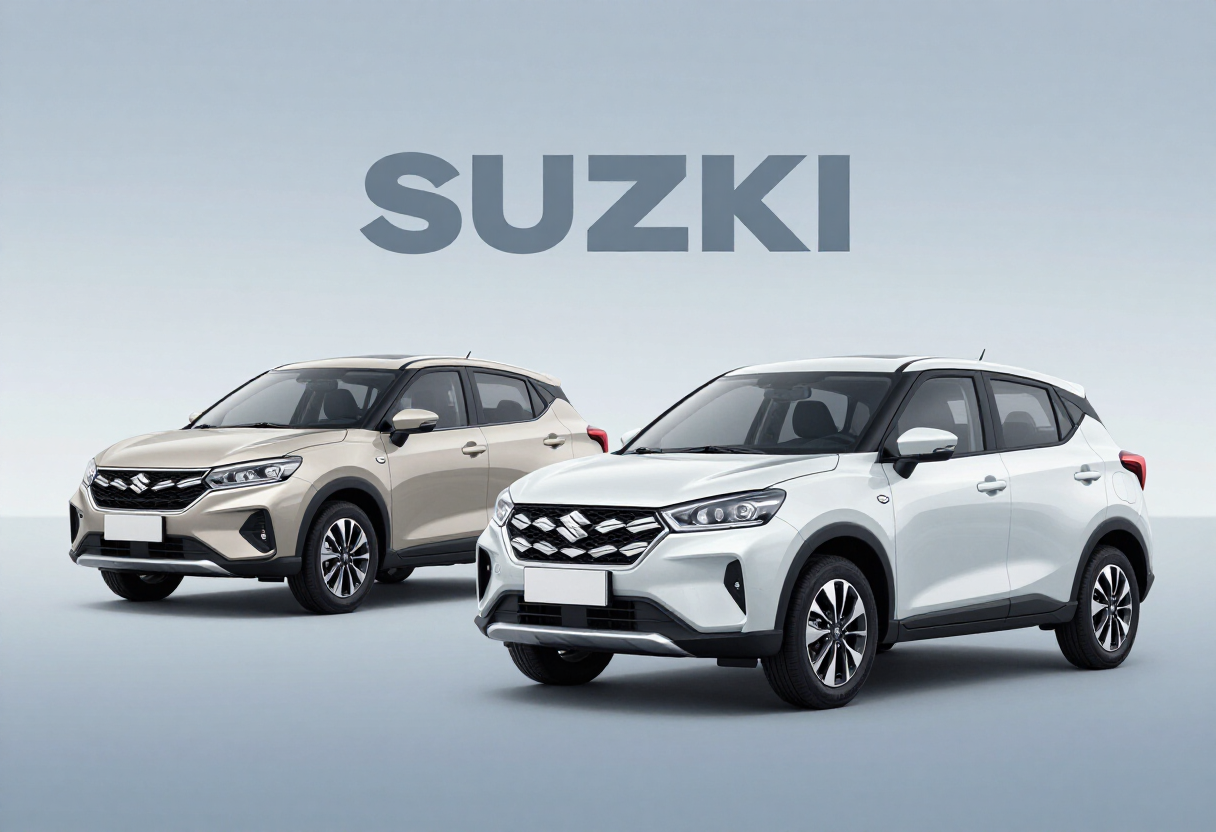
Suzuki Motor wants to cut its vehicle development cycle from 40-48 months to 24 months by the end of the decade, CEO Toshihiro Suzuki told reporters in Tokyo, according to a Bloomberg report from 25 September. The target would roughly halve the time the Japanese carmaker currently needs to bring a new model to market.
The shift forms part of a broader reassessment among legacy automakers of their production strategies as competition from Chinese manufacturers intensifies. Suzuki said the industry's traditional benchmarks — Japanese manufacturing precision and German engineering — have been overtaken by the speed of Chinese companies such as BYD, Leapmotor and Xiaomi, which combine rapid development cycles with software-driven design and advanced battery systems.
"Chinese manufacturers have incredible speed. To keep up, we need to figure out how to move faster," Suzuki said.
The 24-month goal remains an ambition rather than a confirmed engineering program. Suzuki did not detail, in the reported remarks, which vehicle programs would first adopt the compressed timeline or what changes in platform strategy, supplier tooling or validation processes would make it possible. BYD and Leapmotor have demonstrated comparable cycles on their domestic launches, which sets the benchmark Suzuki now wants to match.
Having withdrawn from the US market in 2012 and from China in 2018, Suzuki now concentrates on India as its central growth region. Its local subsidiary, Maruti Suzuki India, outlined in August an expectation that the domestic passenger vehicle market will grow to between 6.1 million and 6.3 million units by FY 2030-31, a projection chairman RC Bhargava attributed to fresh demand for small cars combined with a bolstered SUV lineup.
Maruti Suzuki's board also approved an initial outlay of Rs5.61bn ($58.8m) toward constructing four biogas plants, part of its broader clean-energy strategy. Bhargava said biogas could reduce dependence on imported compressed natural gas while supporting India's net-zero targets.
In July, Maruti Suzuki India began commercial production at Plant D within its Hansalpur facility in Gujarat, lifting the site's annual production capacity to one million vehicles — the first Suzuki manufacturing location globally to reach this level. Plant D will initially build the battery electric e VITARA. Across the Hansalpur site, Maruti Suzuki currently produces the Baleno, Fronx, Swift and e VITARA.
The capacity milestone at Hansalpur gives Suzuki the production base to support faster model turnover in its core market. Whether the company can translate a one-million-unit plant into 24-month development cycles is the open question. Watch for the first Suzuki program announced on the compressed timeline, and for Maruti Suzuki's next capacity or investment decision in India, as signals of whether the target is firming into an engineering commitment.
via bloomberg.com (Original)
More from Grace Kim
Show full bio
Staff writer covering industry trends and analytics at Autoplant Brief.
82 articles
Also circulated
- Japanese Auto Plants Post Strongest Robot Uptake in Five Years
- Leapmotor Tops 105,656 September Deliveries as China EV Makers Diverge
- Japanese Auto Industry Automation Use Hits Five-Year High
- BMW Starts Powertrain Production for Neue Klasse Platform
- Honda global output down 12.6% in August as China and Japan slide