ECO-8538 · REV K · effective October 9, 2026
Auto Industry PolicyAPPROVEDEngineering notice
Supreme Court Strikes Down Trump Tariffs; Some Auto Levies Survive
The Supreme Court has struck down the Trump administration's broad tariff regime, but auto-sector-specific levies survive the ruling, leaving plant cost planning unsettled.
Scope of change
- The Supreme Court struck down the Trump administration's broad tariff program.
- Some tariffs on the auto sector remain in force despite the ruling.
- The surviving auto levies rest on separate legal grounds from the struck emergency-based duties.
- Sourcing shifts already made by OEMs and suppliers will not be automatically reversed.
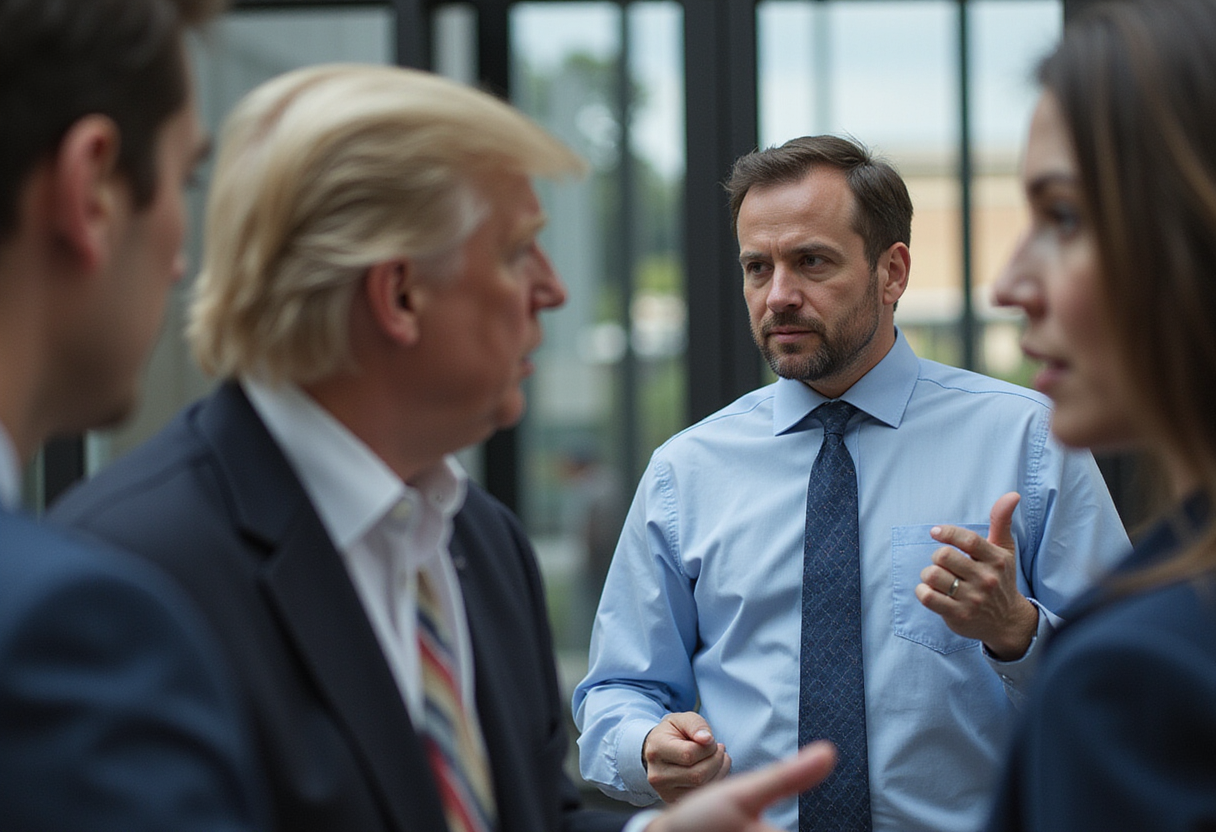
The Supreme Court has struck down the Trump administration's broad tariff regime — but not all of it, and the levies that matter most to automakers and their suppliers appear, for now, to remain in force.
The decision, reported by Car and Driver, ends the legal fight over the sweeping duties the administration imposed using emergency economic powers. Yet the same report confirms a critical carve-out for the auto sector: certain tariffs on vehicles and automotive goods survive the ruling, leaving North American plant planners with a fragmented cost picture rather than a clean reset.
That split verdict is the story for manufacturing. A blanket strike-down would have restored predictable landed-cost math across the parts base. A partial one keeps the sector-specific duties alive while killing the broader framework that accompanied them.
Which tariffs fall, and which stay?
The court invalidated the headline tariff program the administration erected under emergency authority. The ruling does not sweep away the auto-specific measures, which rest on separate legal grounds from the emergency-powers mechanism at issue in the case.
For plant-level decision-makers, the practical question is narrower than the constitutional one. What matters on the floor is which duty rate applies to which consignment — steel content, aluminum content, finished vehicles, and Tier 2 and Tier 3 components can each sit under a different regime.
The surviving auto levies mean the court's decision does not, by itself, reverse the sourcing shifts OEMs have already made. Programs relocated to dodge duties will not be un-relocated by a court order that leaves those duties standing.
What does the ruling change for plants?
For the supply base, the immediate effect is limited to the tariffs the court actually struck. Where a supplier was paying both the broad emergency-based duty and an auto-sector measure, only the first disappears. Where the auto measure was the binding cost, nothing changes until Washington acts.
That leaves three distinct channels to watch:
- Legislative or executive response to the struck tariffs — whether the administration attempts a replacement under different statutory authority, such as Section 232 or Section 301 investigations.
- Status of the surviving auto levies — whether challengers file fresh suits against the sector-specific duties on the grounds the court has now articulated.
- Pricing pass-through — whether OEMs and suppliers adjust recovered duty costs in program contracts now that part of the burden has lifted.
The distinction between confirmed outcomes and pending questions matters here. Confirmed: the Supreme Court struck the broad tariffs. Confirmed: some auto-sector levies remain, per Car and Driver's reporting. Everything else — replacement authorities, follow-on litigation, timing — is intention and expectation, not settled fact.
How did we get here?
The administration built its tariff wall on emergency economic powers, arguing a persistent trade deficit and border conditions justified sweeping duties on imports from most trading partners. Lower courts had already ruled against that use of the statute, and the Supreme Court has now agreed, closing that legal avenue for the broad program.
The auto-sector tariffs, by contrast, were constructed separately. Their survival is why this ruling reads as a partial win for the industry rather than a full one.
What to watch next
Three dates and decisions will determine whether this becomes a turning point or a pause.
First, watch for the administration's choice of replacement authority. If it refiles under national-security investigations, the auto sector could face new proceedings even as the old ones die.
Second, watch for litigation against the surviving auto levies. Plaintiffs who won on the broad tariffs now have a template, and the sector-specific duties are the obvious next target.
Third, watch the first post-ruling quarter of import data and program pricing. That will show how much of the duty burden actually lifted, and whether any of it flows back into component contracts rather than staying embedded in vehicle prices.
For now, the hardest fact available is the ruling itself: the broad tariffs are dead, the auto-specific ones are not, and the manufacturing map built under both remains standing.
via Google News: Auto industry policy (Source)
More from Amara Osei
Also circulated
- Supreme Court Strikes Down Some Trump Tariffs; Auto Levies Stay
- Supreme Court Tariff Ruling Puts Auto Trade Costs Back in Play
- Supreme Court Tariff Ruling Draws Auto Industry Reactions
- Trump Claims Tariffs Saved U.S. Auto Industry. Data Disagrees
- Automakers Warn Trump's 50% Tariffs Would Be 'Devastating'