ECO-6368 · REV E · effective October 20, 2026
EV Manufacturing TransitionAPPROVEDEngineering notice
Subaru to drop combustion models in Europe by 2028
Subaru will end combustion engine sales in Europe from 2028, pulling its first ICE model from showrooms this year and retiring the boxer engine there.
Scope of change
- Subaru stops selling combustion vehicles in Europe from 2028
- First combustion model leaves European showrooms this year
- Withdrawal ends the boxer engine's presence in the European lineup
- Subaru's ICE business continues outside Europe
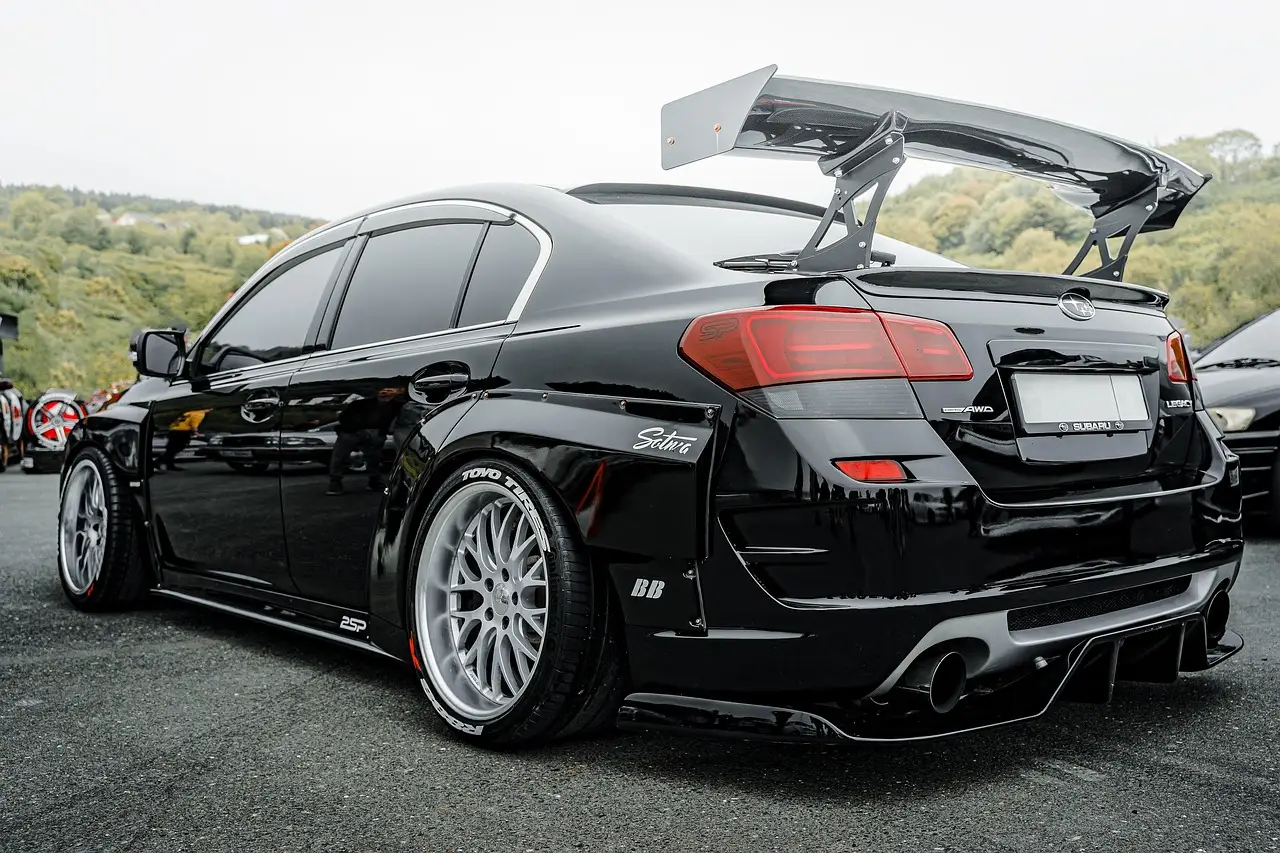
Subaru will stop selling combustion engine vehicles in Europe from 2028, ending the brand's boxer-engine (flat engine with horizontally opposed pistons) presence in the region after decades on the market.
The first combustion model will disappear from European showrooms as early as this year, according to the automaker's announcement. That gives the remaining petrol lineup roughly a two-year run before the 2028 cutoff takes full effect.
The move lands hardest on a brand identity built almost entirely around one powertrain layout. Buyers across Europe have long associated Subaru with the boxer engine — the horizontally opposed design the Japanese automaker has used as its signature since the 1960s. From 2028, that association ends in Europe at least. Subaru's combustion business continues elsewhere.
What does this change for European dealers?
Dealers lose the ICE (internal combustion engine) products that still anchor the Subaru lineup in the region. The showroom range narrows to battery-electric models such as the Solterra, alongside whatever electric successors Subaru brings to market before the deadline. The phase-out starts with one withdrawal this year, then runs model by model until 2028 clears the decks.
For a low-volume Japanese brand in Europe, going all-electric by 2028 is aggressive timing. It puts Subaru ahead of the EU's effective 2035 combustion sales ban by seven years. The company hasn't detailed which model exits first, how many units the departing nameplates represent, or how many European retail sites the shift affects. Those numbers will determine whether this is a managed transition or a quiet market exit by another route.
The watch item: what arrives next
The credibility of the 2028 target rests on product, not policy. Subaru needs electric replacements covering the segments its combustion models currently serve — the segments European buyers actually shop. The current electric range is thin. The Solterra, built on a shared platform, carries the brand's EV line almost alone, with new electric models such as an electric Outback positioned to follow.
What to watch next: the identity of the first model pulled from showrooms this year, the cadence of withdrawals through 2027, and whether Subaru confirms electric successor volume for Europe. Each showroom exit between now and 2028 is a data point on whether the brand is converting its European business to battery power — or shrinking it.
By Grace Kim
via electrive.net (Original)
More from Grace Kim
Show full bio
Staff writer covering people, launches and day-to-day practice in Automotive manufacturing and vehicle production at Autoplant Brief.
216 articles