ECO-6707 · REV V · effective November 7, 2026
Industry Analysis & MarketsRELEASEDEngineering notice
SinterCast expects 20% output rise from new 13-litre truck engine
SinterCast says a new 13-litre truck engine license will lift series output by more than 20% at full volume, with commissioning set for November and the ramp spread across 2027-28.
Scope of change
- More than 20% expected increase in SinterCast series output at full volume
- More than 90% of revenue is recurring, mainly production fees tied to CGI volume
- System 4000 Plus commissioning due in November; casting planned before year-end
- Engine announced for North America on May 5, 2026; global platform date was May 12
- Added volume expected during 2027-2028; 2031 target is 8 million Engine Equivalents
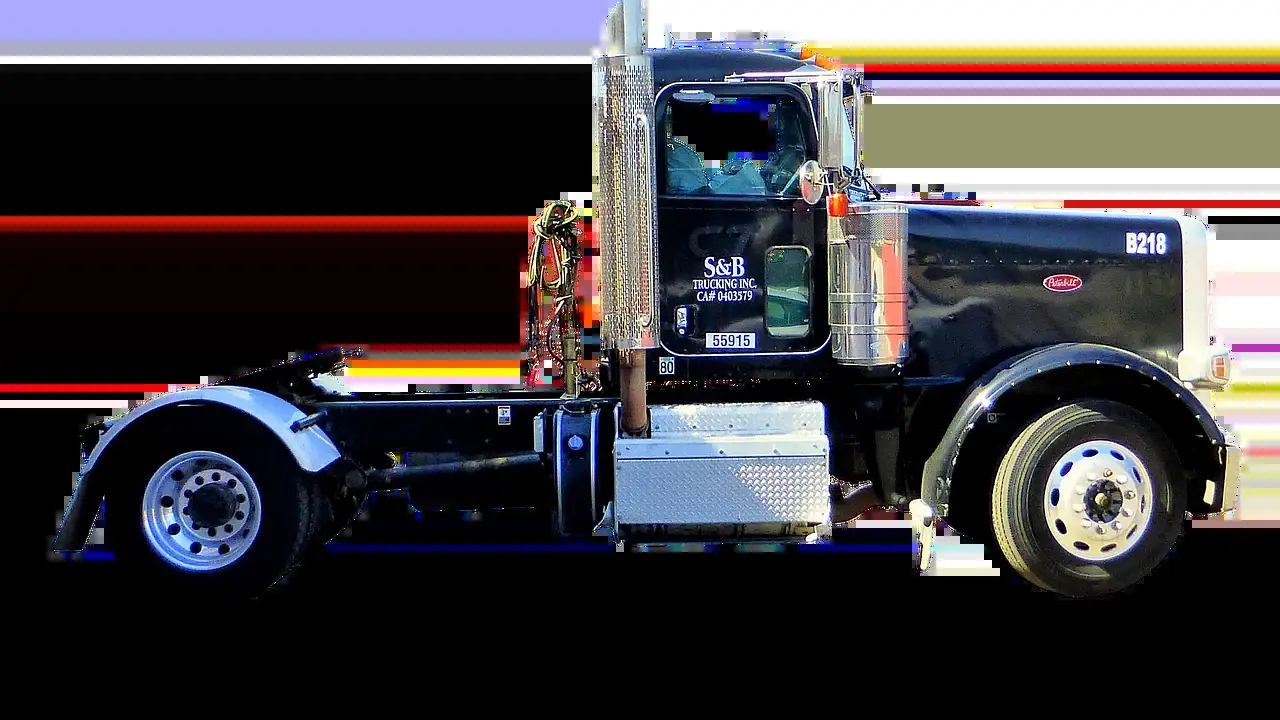
By Grace Kim
SinterCast expects its series output to rise by more than 20% at full volume after an unnamed European truckmaker licensed its compacted graphite iron (CGI) process for the cylinder block of a new 13-litre engine.
The truckmaker is the original-equipment manufacturer (OEM), and the block will be cast at the company’s own foundry in northern Europe. SinterCast supplies the licensed casting process and production equipment; the OEM operates the production site. Casting should begin before year-end, according to the company’s schedule.
The SinterCast System 4000 Plus is due to be installed and commissioned at the foundry in November. Joint engineering work has prepared the block for series production. The system also will connect to the Ladle Tracker installation already running at the foundry, which SinterCast says will provide tighter process control and traceability.
The engine was first announced for North America on May 5, 2026, then became a global platform on May 12. Other SinterCast licensees already hold volumes for it. Their volumes and the northern European foundry’s planned output underpin the company’s forecast of more than 20% series growth at full volume.
Vítor Anjos, president and chief executive, expects “a rapid ramp-up,” with the added volume phasing in during 2027 and 2028 as SinterCast pursues a 2031 target of eight million Engine Equivalents, its engine-volume metric. Most of the promised scale therefore arrives after the initial casting start, putting the two-year ramp at the center of the forecast.
What does the licensing deal change for SinterCast?
It creates a new production-fee stream tied to a truck engine that the company expects to scale across several licensees. More than 90% of SinterCast’s revenue is recurring, mainly through fees tied to CGI volumes, so higher casting utilization should translate into more recurring revenue.
The forecast remains unproven. SinterCast disclosed neither the truckmaker’s identity nor the engine’s annual volume or casting rate, and no production data yet support the full-volume estimate. The 20% increase remains management’s projection rather than a demonstrated operating result.
The licensing agreement is in place and the joint engineering work has been completed, but commissioning and volume production remain ahead. SinterCast also has not said when the truck itself will launch. Until the system reaches the foundry and the block runs at production rates, the capacity claim should be treated as a schedule and volume forecast.
CGI provides the technical reason for truckmakers to adopt the process. SinterCast describes CGI as stronger and stiffer than conventional iron, properties that can support smaller, lighter engines with lower fuel consumption and carbon dioxide (CO₂) emissions. The company says its technology supplies “about two-thirds of global CGI output,” a market-position claim that still requires comparison with actual casting volumes.
The revenue effect will arrive with utilization, not merely with commissioning. SinterCast expects the new program to lift series output by more than 20% at full volume, but that benefit depends on a November commissioning, a pre-year-end casting start and successful execution through 2027 and 2028. No vehicle launch date was disclosed.
Readers should watch three milestones:
- Installation and commissioning of the System 4000 Plus in November.
- The first production castings before year-end.
- Evidence that volumes are building during 2027-28.
The 2031 target of eight million Engine Equivalents provides the longer horizon. Actual output and fee-bearing CGI volume, not announcement language alone, will determine whether the more-than-20% forecast holds.
via storage.mfn.se (Original)
More from Grace Kim
Show full bio
Staff writer covering people, launches and day-to-day practice in Automotive manufacturing and vehicle production at Autoplant Brief.
246 articles