ECO-7379 · REV R · effective October 17, 2026
EV Manufacturing TransitionRELEASEDEngineering notice
Rivian pauses $5 billion rural Georgia EV plant plan
Rivian has paused work on its planned $5 billion EV assembly plant in rural Georgia, the Georgia Recorder reported. The slowdown defers — rather than cancels — one of the largest recent U.S. auto-industry investments and reshapes the launch window for Tier 1 and Tier 2 suppliers.
Scope of change
- Rivian has paused its planned $5 billion electric vehicle assembly plant in rural Georgia, per the Georgia Recorder.
- The 'tapping brakes' language signals a deferral rather than a cancellation of the project.
- Tier 1 and Tier 2 suppliers who pre-positioned capacity around the Georgia launch will see revenue tied to the new platform pushed back.
- Rivian has not publicly abandoned the rural-Georgia site, so engineering retainers and permit fees continue as a sunk cost during the pause.
- The next material datapoint will be Rivian's quarterly capital-expenditure guidance and any state incentive disbursement filings.
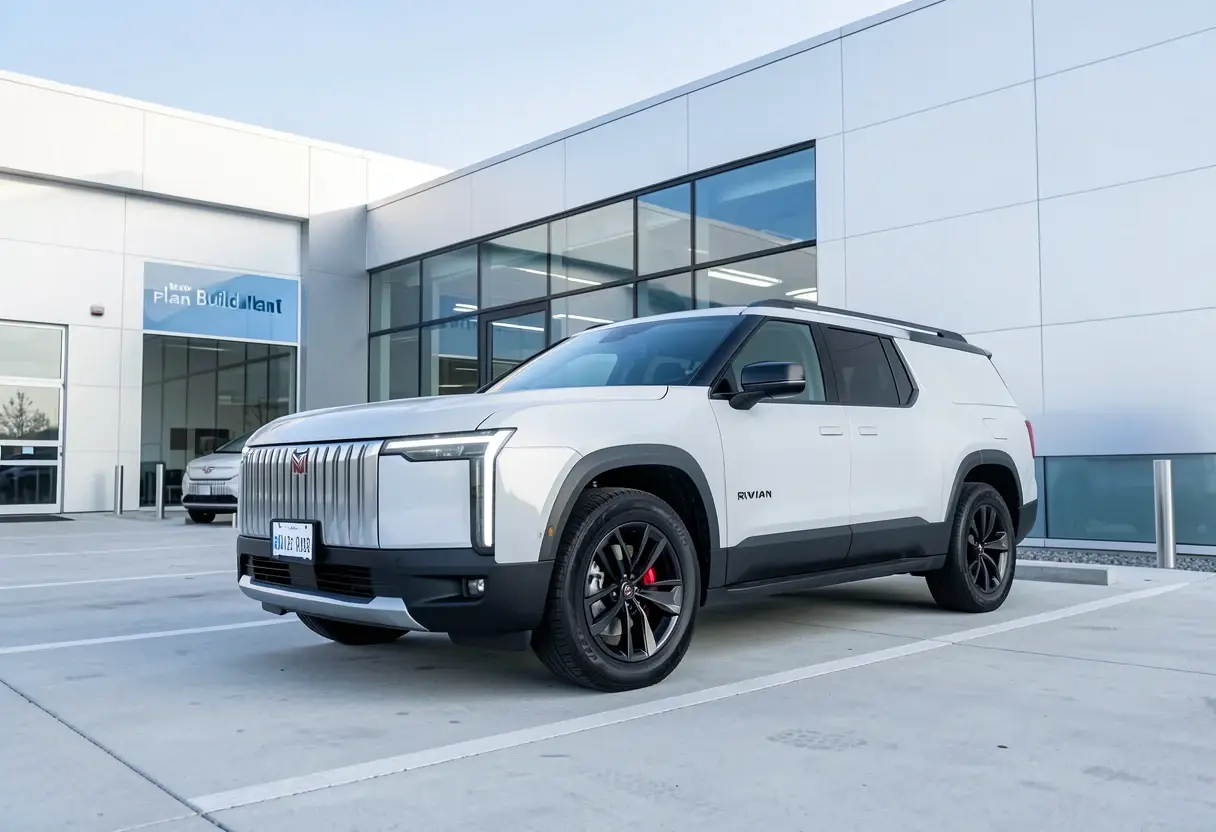
Rivian has paused work on its planned $5 billion electric vehicle plant in rural Georgia, the Georgia Recorder reported. The slowdown on a major U.S. auto-industry investment signals a recalibration of capital spending at the EV maker against softening premium-segment demand.
What "tapping brakes" actually means
In manufacturing-project terms, "tapping brakes" reads as deferral rather than cancellation. Permits, land option agreements, and engineering studies typically remain on the shelf while spending on long-lead tooling and civil construction stretches across a longer window.
Announcement framing matters because it determines how the project is classified: confirmed capacity (under construction or being equipped) versus announced intent (revealed but not yet broken ground).
For Georgia economic development officials, that distinction controls eligibility for state incentive milestones tied to construction-start dates and job-creation thresholds. A slowdown does not erase prior site positioning, but it does push the headline job-creation numbers further out on the timeline.
What does this change for suppliers?
Tier 1 and Tier 2 vendors who had pre-positioned tooling and component capacity around a Georgia launch window will see revenue tied to the new platform pushed back. Pre-production validation work, tryout parts, and reserved capacity at stamping and battery-subassembly suppliers all lose urgency when the OEM signals flexibility on launch cadence.
Larger Tier 1s with diversified order books can absorb the delay by reallocating capacity to existing programs. Smaller vendors running dedicated lines for the Georgia-bound program will need to renegotiate milestone payments and absorb tooling-storage expenses that compound across each quarter of delay.
Smaller specialist suppliers — those running dedicated stamping, body-in-white, or battery subassembly lines for the Georgia program — carry the most exposure. Their break-even calculations assumed a specific Georgia volume curve, and each deferred quarter shifts tooling depreciation over fewer units.
Why the EV plant slowdown matters now
The Rivian pause lands at a moment when several EV-specific assembly investments are being re-evaluated against production volume. Battery-electric demand growth has decelerated from the rates that supported original capacity-expansion assumptions. Capital-intensive greenfield plants carry the highest break-even risk because fixed costs depreciate against uncertain unit volumes.
The $5 billion Georgia investment sits inside a broader Rivian capital plan that includes ongoing development of new vehicle platforms. Capital allocation discipline, rather than project abandonment, is the read most consistent with the "taps brakes" language.
The Georgia Recorder's framing leaves room for the company to resume the project once demand signals firm. Rivian has not publicly abandoned the rural-Georgia site, meaning engineering retainers and permit fees continue as a sunk cost during the pause.
The strategic question for the OEM is whether to time the Georgia start-of-production against the launch of its next-generation platform, or to decouple site work from product timing.
What to watch next
The next material signal will be Rivian's quarterly capital-expenditure guidance, which converts the verbal pause into a hard number on the income statement. State and county filings will disclose whether incentive disbursements have been triggered or frozen, giving a second datapoint on the project's real status.
A second watch item: any restated job-creation commitment to the State of Georgia. Original headcount targets tied the project to a defined workforce ramp, and a confirmed reduction would tell suppliers exactly how much capacity they need to unwind.
Until Rivian restates a binding start-of-production target for the Georgia site, every quarter of slippage costs the program competitive positioning in the North American EV manufacturing footprint.
via Google News: EV manufacturing (Source)
More from Marcus Bennett
Show full bio
News editor covering regulation, policy and their impact on Automotive manufacturing and vehicle production at Autoplant Brief.
208 articles