ECO-9583 · REV P · effective October 9, 2026
Vehicle Plants & ProductionRELEASEDEngineering notice
Rivian lifts Georgia plant initial capacity 50% to 300,000 units
Rivian has raised the planned initial annual capacity of its Georgia EV assembly plant by 50%, lifting the phase-one target to 300,000 vehicles per year from 200,000, WardsAuto reports.
Scope of change
- Rivian raised the planned initial annual capacity of its Georgia EV assembly plant by 50%.
- Phase-one target now stands at 300,000 vehicles per year, up from a 200,000-unit baseline.
- WardsAuto carried no launch date, investment figure, headcount, or square footage with the announcement.
- The revision applies to first-phase output, not the plant's total engineered footprint.
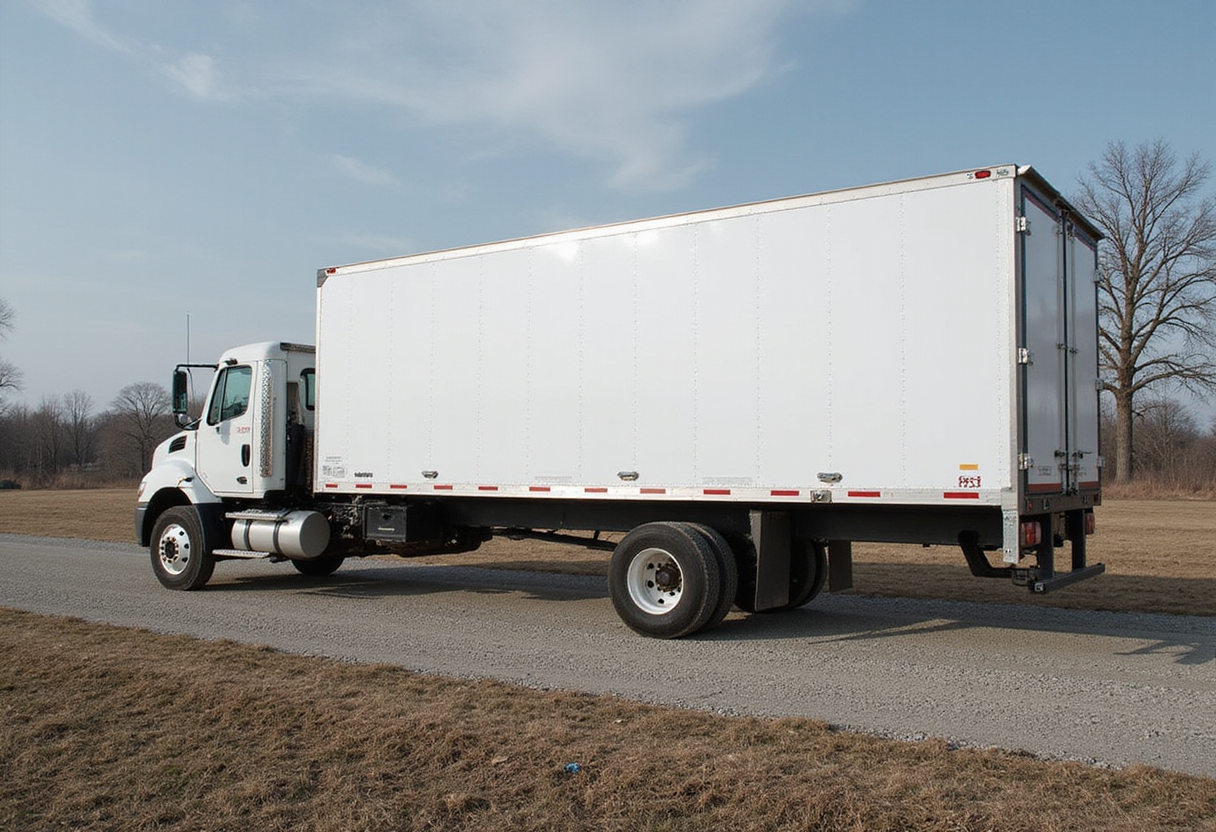
Rivian has raised the planned initial annual capacity of its Georgia electric-vehicle assembly plant by 50%, lifting the phase-one target to 300,000 vehicles per year from the prior figure of 200,000, WardsAuto reports.
The revision applies to the plant's first wave of production, not to the site's total engineered footprint.
A 50% increase at the initial stage does not by itself double Rivian's eventual run-rate at the facility; it shifts upward the volume profile the company intends to hit when the line first comes up.
Plant planners treat the first-phase figure as a planning anchor that must hold for tooling, staffing, and supplier call-offs in the months preceding start of production. The 300,000-unit Georgia target now serves that role.
Whether the headline 300,000-unit target functions as a confirmed build plan or an announced intention will govern how closely the figure tracks against any subsequent production data released by Rivian itself.
What does the 50% figure actually cover?
For planning purposes, the Georgia site's phase-one output now sits 50% above the baseline the program previously disclosed. That arithmetic — 200,000 to 300,000 units annually — is the only volume number carried in the WardsAuto report.
The accompanying investment amount, square footage, headcount, equipment list, and launch date do not appear in the same headline, and we have not added them here. Readers tracking the program should consult WardsAuto's full text or Rivian's own disclosures for those data points before treating the volume figure as a complete plan.
Why does an initial-capacity revision matter?
Automakers regularly re-base announced volume figures on EV plants as supplier capacity, battery availability, and tooling lead times firm up. A first-phase bump often signals that bottlenecks identified during ramp planning have eased, not that total plant output has changed in engineering terms.
Plant teams revise the initial-run figure more freely than they revisit the ultimate ceiling, because the early-stage volume drives tooling, staffing, and supplier schedules tied to start of production. A change in that number resets downstream commitments immediately and converts into a new operating template the day the company communicates it.
In Georgia's case, a 50% lift is large enough to merit attention. Peer EV-site comparisons do not belong here because the WardsAuto report carries no industry-baseline data.
What should readers track next?
- An updated production-start milestone, or Rivian's confirmation that it will hold to the previously announced launch window for the Georgia site.
- Concrete jobs or capital-expenditure figures tied to the new 300,000-unit phase-one target, since headcount and capex typically move in step with capacity announcements.
- Battery-supply arrangements that support the higher volume, given that pack availability has historically been the limiting factor in EV-plant capacity claims.
- The first production-data quarter once the Georgia line comes up, which will test whether the announced capacity translates into actual builds against the 300,000-unit annual base.
Until Rivian issues a fuller disclosure, the 300,000-unit Georgia target should be read as a planned capacity figure that still needs verification through production data.
via Google News: EV manufacturing (Source)
More from Marcus Bennett
Show full bio
News editor covering marketplaces and e-commerce at Autoplant Brief.
148 articles