ECO-9117 · REV F · effective November 3, 2026
Industry Analysis & MarketsRELEASEDEngineering notice
Rio Tinto opens $1.4 billion lithium expansion in Argentina
Rio Tinto opens Fénix 1B and Sal de Vida in Catamarca with US$1.4 billion invested, adding 25,000 tonnes of lithium capacity ahead of schedule.
Scope of change
- Rio Tinto invested about US$1.4 billion in the Fénix 1B expansion and the new Sal de Vida plant in Catamarca, Argentina.
- Production at both sites began ahead of schedule in the second quarter of 2026.
- Fénix 1B adds 10,000 tonnes of LCE capacity, lifting the site to roughly 40,000 tonnes per year; Sal de Vida targets 15,000 tonnes.
- Rio Tinto targets 200,000 tonnes of LCE annual capacity by 2028, with the 60,000-tonne Rincón project due to start commercial operations that year.
- CEO Simon Trott paused the Jadar project in Serbia at the end of last year as part of cost rationalisation.
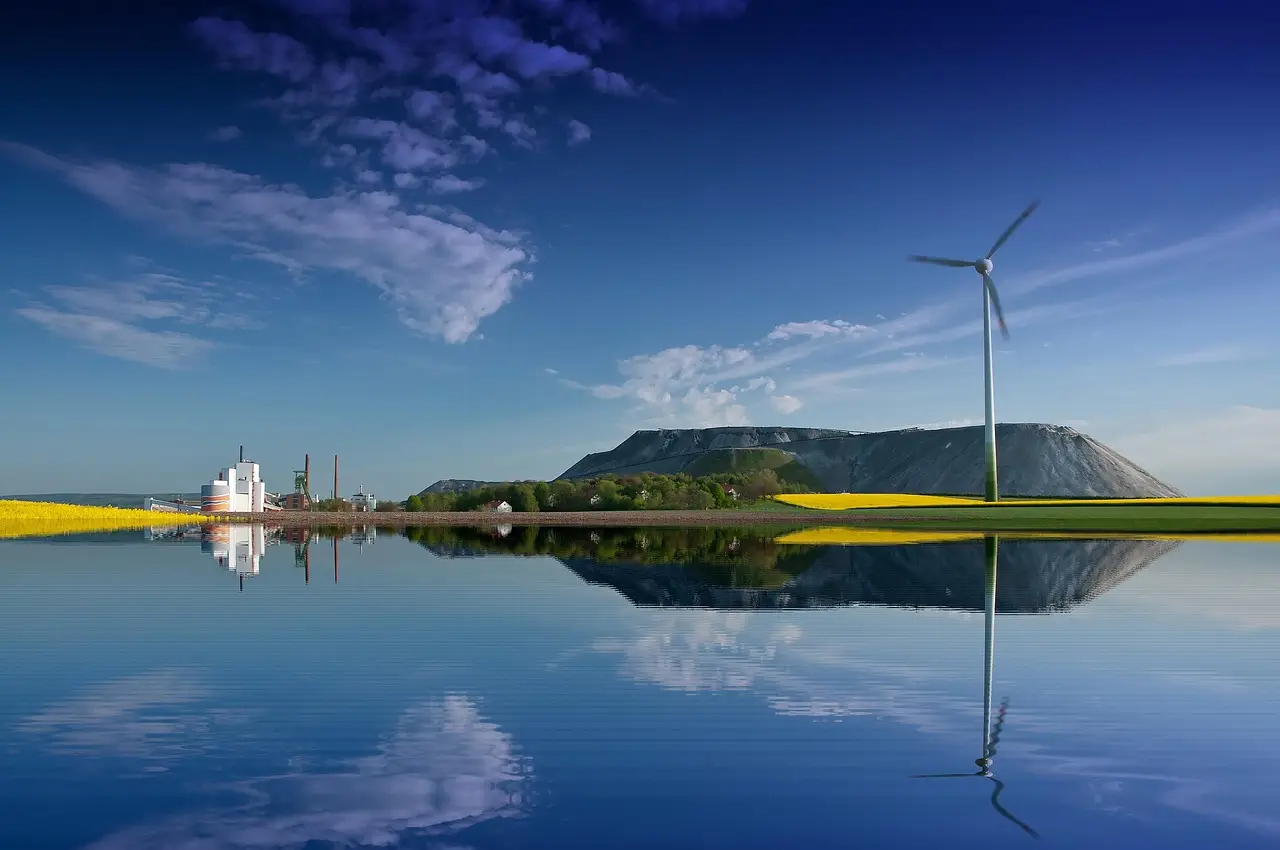
Rio Tinto has officially opened two lithium operations in Argentina backed by a combined investment of roughly US$1.4 billion (about €1.25 billion). The company confirmed that production at both sites began ahead of schedule in the second quarter of 2026, according to an accompanying release.
The two projects sit in the province of Catamarca in northwest Argentina. The 'Fénix 1B' expansion adds 10,000 tonnes of annual capacity in lithium carbonate equivalent (LCE, the standard measure for lithium output) to an existing plant, bringing total on-site capacity to around 40,000 tonnes. 'Sal de Vida', located roughly 20 km northeast of Fénix, is a completely new lithium carbonate operation with a targeted annual capacity of 15,000 tonnes.
Rio Tinto said the projects are intended to strengthen "Rio Tinto's standing and Argentina's position as a leading supplier of lithium for global markets."
What is the significance of Fénix?
Fénix is not a new entry in the lithium business. The site is considered Argentina's first commercial lithium operation and began production in 1997. The 1B expansion therefore extends an operation with nearly three decades of running history, rather than starting from zero.
CEO Simon Trott framed the openings in those terms. "Today is a proud moment for Rio Tinto and an important milestone for Argentina's lithium industry, as we grow our position as a leading global supplier," Trott said. "These two projects build on nearly three decades of lithium production in Catamarca and the expertise of our Argentine workforce."
He added that the deliveries "demonstrate our industry-leading project delivery capability, as we execute with discipline towards our global target of 200,000 tonnes lithium carbonate equivalent annual production capacity by 2028."
That 200,000-tonne target is the number against which the Catamarca openings should be measured. The two sites add a combined 25,000 tonnes of capacity, which leaves a substantial gap still to be closed within two years.
Where does the pipeline go next?
Rio Tinto operates or plans additional lithium projects in the Argentine provinces of Jujuy and Salta. The flagship is 'Rincón', with an expected long-term capacity of 60,000 tonnes per year and commercial operations set to begin in 2028.
The Argentina build-out follows a period of heavy acquisition. Rio Tinto paid US$6.7 billion in 2024 for the lithium producer Arcadium and invested earlier this year in the Canadian company Nemaska Lithium. The company has stated a goal of establishing lithium as a fourth pillar alongside iron ore, aluminium and copper, and of becoming one of the world's largest lithium producers.
What about Europe and the cost programme?
The Argentina openings also mark a deliberate geographic choice. Rio Tinto had long pursued the Jadar lithium project in Serbia, which was still in the permitting phase, but pulled away from it at the end of last year. The company said it would prioritise other 'short-term opportunities'.
The Serbia pause was one of several rationalisation and cost-reduction measures taken by Simon Trott, who was appointed CEO in August 2025. One of his first decisions reorganised Rio Tinto into three business units: iron ore, aluminium combined with lithium, and copper.
That combination — heavy lithium investment in Argentina alongside cost discipline elsewhere — defines the open question. It remains unclear to what extent Rio Tinto will keep investing at this scale in its lithium business as rationalisation continues.
For battery supply chains, the immediate items to watch are the ramp-up rates at Sal de Vida and Fénix 1B against the 200,000-tonne 2028 target, and whether Rincón holds to its 2028 commercial start.
via riotinto.com (Original)
More from Sophie Lindqvist
Show full bio
Correspondent covering money, funding and market shifts around Automotive manufacturing and vehicle production at Autoplant Brief.
273 articles
Also circulated
- Posco completes 2nd Argentine lithium plant, lifts site to 48,000 t/yr
- Cornwall geothermal lithium plant targets 2029 production start
- UK puts £10m behind Cornish geothermal lithium plant
- Toyota commits $1.34 billion to Argentina's largest-ever auto plant
- Toyota Puts $1.34 Billion Into Argentina Plant Investment