ECO-2771 · REV B · effective September 26, 2026
Powertrain ProductionRELEASEDEngineering notice
Proton Recasts Tanjung Malim as Multi-Powertrain Production Hub
Proton's Tanjung Malim plant in Perak is now described as a multi-powertrain hub, extending the Malaysian OEM's flagship site beyond conventional ICE assembly.
Scope of change
- Proton's Tanjung Malim plant in Perak, Malaysia is now described as a multi-powertrain manufacturing hub
- Automotive World reported the designation; no production figures, capacity numbers or investment amounts were published in the item
- Proton is majority-linked to Zhejiang Geely Holding since 2017, and Tanjung Malim is its flagship assembly site
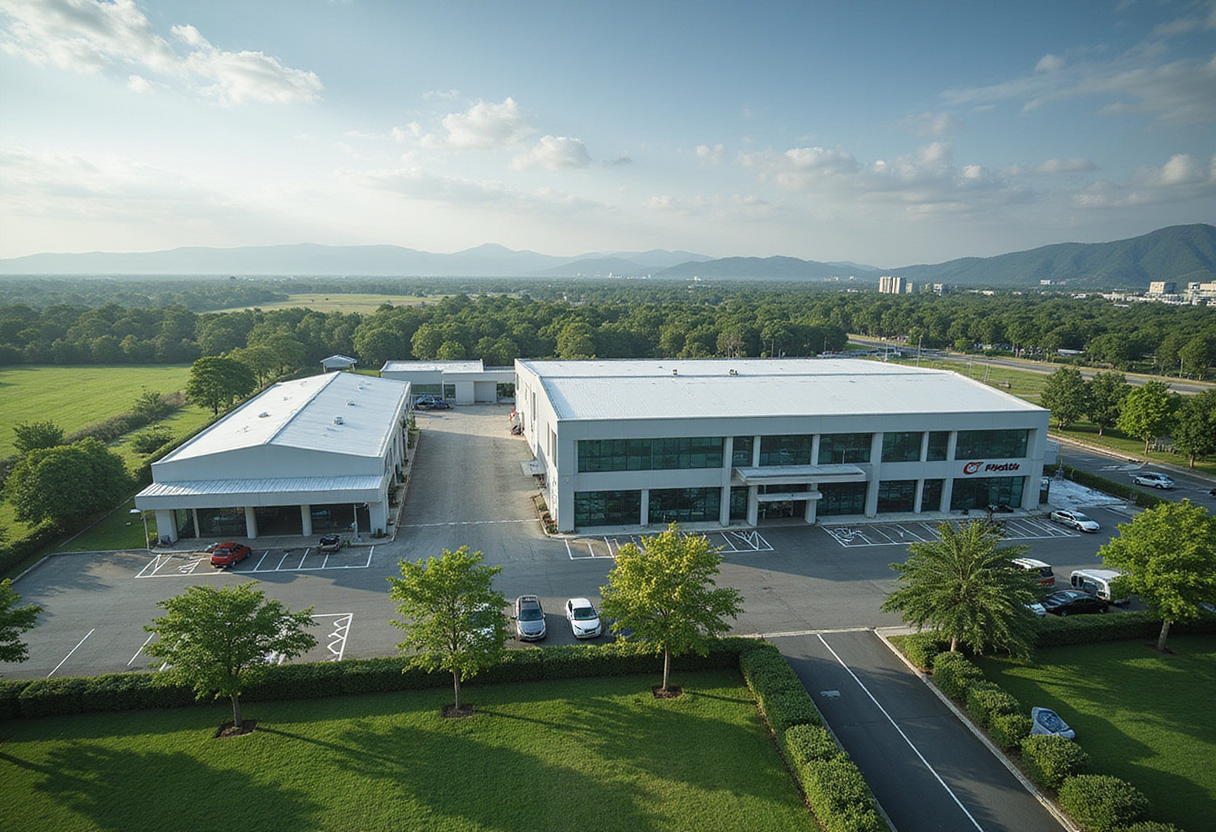
Proton has positioned its Tanjung Malim plant in Perak, Malaysia, as a multi-powertrain manufacturing hub, according to a report by Automotive World. The designation marks a shift for a facility that has historically anchored the national automaker's conventional internal-combustion output.
The headline claim — that Tanjung Malim now serves as a hub spanning more than one powertrain type — signals Proton's intent to build vehicles with different propulsion systems from the same site. Automotive World did not publish the underlying production figures, capacity numbers or launch timings in the item available to Autoplant Brief, so the exact scope of the multi-powertrain claim warrants verification against Proton's own production disclosures and Malaysia's vehicle-registration data.
Tanjung Malim carries strategic weight in Proton's industrial footprint. The plant, located in the Proton City development in Perak state, has long been the company's most modern assembly operation and the centerpiece of its stated ambition to expand manufacturing scale beyond its original Shah Alam site. Proton is Malaysia's Tier 1 national OEM, majority-linked since 2017 to Zhejiang Geely Holding, and its plant strategy has followed the pattern seen across Geely-affiliated operations: consolidate volume at a flagship site, then diversify what that site builds.
The multi-powertrain framing matters for three reasons.
First, it aligns with Proton's electrification roadmap. The company has said previously that its move into electrified vehicles would run through Tanjung Malim, and a hub designation implies the plant is being tooled or re-tooled to handle more than one propulsion architecture — potentially ICE, hybrid and battery-electric lines under one roof. Whether that means dedicated EV lines, flexible mixed lines, or powertrain-component production such as e-motor or battery-pack assembly is not specified in the source report, and Proton has not broken out the figures in this instance.
Second, it positions the plant for export programs. Multi-powertrain flexibility at a single site is typically the precondition for supplying markets with divergent emissions rules from one production base. For a national OEM competing with Thai and Indonesian assembly hubs for regional volume, the ability to swap output mix without re-locating tooling is the operational argument for the hub model.
Third, it implies continued capital deployment at Perak. Plant redesignations of this kind rarely come without investment in body shop, assembly and quality systems, though Automotive World's item carries no figure. Proton and its Geely parent have not stated a ringgit-denominated investment number in the material available here.
For suppliers, the development reads as a claim to test rather than accept. Tier 1 and Tier 2 vendors serving Proton should watch for several verification points: published line-rate changes at Tanjung Malim, hiring notices in Perak, homologation filings for electrified Proton models built at the site, and any Geely platform-transfer announcements tied to the plant. Production data — not the hub label — will confirm whether the site is genuinely building multiple powertrains at volume or staging pilot output.
What to watch next: Proton's next production and sales disclosure, which should show whether Tanjung Malim output mix now includes electrified vehicles alongside ICE models; any announcement of a BEV model start-of-production date at the plant; and the Malaysian government's next move on national EV policy incentives, which will shape the economics of whatever Proton builds there.
via Google News: Powertrain production (Source)
More from Grace Kim
Show full bio
Staff writer covering industry trends and analytics at Autoplant Brief.
82 articles
Also circulated
- Proton Bills New Powertrain Hub as Core of Malaysia Auto Push
- Malaysia Positions Itself As Southeast Asia's Next EV Build Hub
- Tasaru Supplier Hub signs five global suppliers for Saudi Arabia
- MASARAT Mobility Park Links with TASARU Supplier Hub in Saudi Deal
- TASARU CEO: Supplier Hub Will Anchor Saudi Auto Sector