Effective November 22, 2026
EV Manufacturing TransitionEngineering notice
Opel Pays Leapmotor €100 Million to Engineer 2028 C-Segment SUV
Opel will pay Leapmotor €100 million ($110 million) to engineer a C-segment SUV for production at Zaragoza from September 2028. Stellantis owns 19.99% of the Chinese EV maker, making it a related-party deal.
Scope of change
- Leapmotor receives €100 million ($110 million) for engineering and development services, per an HKEX filing dated Friday.
- Start of production is planned for September 2028 at Stellantis's Zaragoza plant in Spain; sales begin in 2028.
- Development runs from 2026 through part of 2028 at joint project centers in Hangzhou and Rüsselsheim.
- Stellantis holds 19.99% of Leapmotor, classifying the deal as a connected transaction.
- Lifecycle component supply to Opel is excluded from the agreement and requires separate contracts.
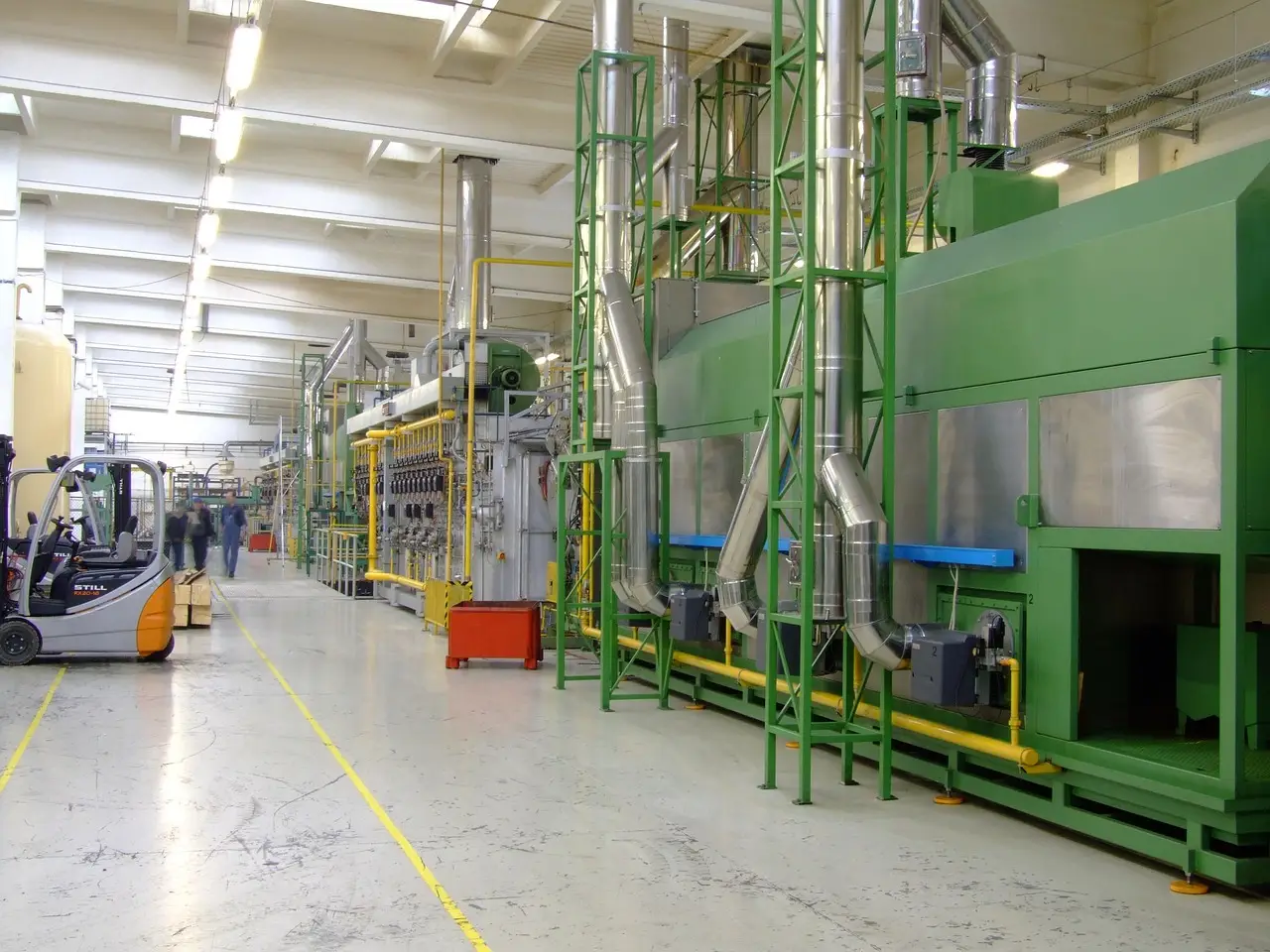
Opel will pay Leapmotor €100 million ($110 million) to engineer a new C-segment SUV, according to a Hong Kong Stock Exchange filing released Friday. The vehicle goes on sale in 2028, with start of production targeted for September 2028 at Stellantis's plant in Zaragoza, Spain.
The deal makes a Chinese EV maker the development house for a mainstream German brand's core segment. That reversal of the traditional engineering flow deserves scrutiny, even if the money is modest by program standards. €100 million buys engineering services only — not tooling, not components, not the bill of materials for a volume SUV.
What exactly did the two sides sign?
Leapmotor (HKEX: 9863) signed a cooperation agreement with Opel, the German subsidiary of Stellantis NV (NYSE: STLA), to jointly develop the new model. Under its terms, Leapmotor provides engineering and development services for the total consideration of €100 million.
The development program runs through the remainder of 2026, all of 2027, and part of 2028 until SOP. That timeline is ambitious for a jointly developed vehicle spanning two engineering cultures and two continents. Project teams from both companies already work at joint project centers in Hangzhou, China, and Rüsselsheim, Germany.
The model will adopt Leapmotor's core components while integrating Opel's design language, cabin ergonomics, chassis engineering, advanced lighting systems, and seating technology. In plain terms: the Chinese partner supplies the platform hardware; Opel supplies the look, the feel, and the driving characteristics German buyers expect.
Where will it be built?
Production is planned at Stellantis's Zaragoza plant in Spain, per a company statement. In May, Stellantis announced plans to add a new production line at the Figueruelas plant in Zaragoza to build both the new Opel C-segment electric SUV and the Leapmotor B10.
Note the framing. The Zaragoza line is an announced plan, not a confirmed, funded capacity commitment with a supplier shortlist attached. Stellantis has restructured European capacity plans before. Watch for capital expenditure confirmation before treating September 2028 as firm.
Who profits beyond the €100 million?
Leapmotor said it expects to supply components to Opel or its designated entities over the vehicle's life cycle. But the filing is explicit: those component sales sit outside the current agreement and remain subject to separate negotiation and contracting. The €100 million is the only guaranteed revenue. Everything after SOP is intent, not contract.
That component pipeline matters more than the engineering fee. A lifecycle supply deal on a volume C-segment SUV would dwarf €100 million. Leapmotor framed the cooperation as aligned with its strategy of expanding outside China, generating additional revenue, and building brand recognition overseas. Those are goals, not banked results.
The company also called the project a key part of its partnership with Stellantis and a major initiative under Stellantis's recently announced FaSTLane 2030 strategic growth plan.
Is this an arm's-length deal?
No. As of the announcement date, Stellantis holds about 19.99% of Leapmotor's issued shares, and Opel is a wholly-owned Stellantis subsidiary. The filing classifies the cooperation as a connected transaction — a related-party deal between a near-20% shareholder and its subsidiary.
Related-party structure does not invalidate the deal, but it removes the comfort of independent price discovery. The €100 million figure was set between parties with shared ownership interests, which is why the HKEX disclosure requirement exists.
What did the executives say?
Leapmotor founder, chairman, and CEO Zhu Jiangming said the project demonstrates how the two companies can leverage their respective strengths to complement each other and jointly advance electric mobility in Europe and globally.
Opel CEO Florian Huettl said that by combining engineering and R&D capabilities in Rüsselsheim and Hangzhou, the two sides are building a bridge between two major tech ecosystems to accelerate electrification.
Both statements are aspirations. Neither addresses margins on the engineering fee, component pricing terms, or what happens if the program slips past September 2028. The exchange rate cited in the filing: $1 = 0.9107 euros.
What to watch next
Three checkpoints will test this program. First, Stellantis's capital commitment to the Figueruelas line — a confirmed investment figure, not a May announcement. Second, the separate component supply agreement, which will reveal Leapmotor's real revenue from the partnership. Third, SOP discipline: any slip past September 2028 compresses the window before European buyers see the B10's platform twin wearing an Opel badge.
via CnEVPost (Source)
More from Amara Osei
Show full bio
Market editor covering technology and product news in Automotive manufacturing and vehicle production at Autoplant Brief.
342 articles
Also circulated
- Stellantis, Leapmotor to build EVs at Madrid and Zaragoza from 2028
- Leapmotor's B10 Rolls Off the Line at Zaragoza, Second Try at European Production
- Stellantis and Leapmotor Tie Production and Tech Talks in Paris
- Stellantis and Leapmotor deepen alliance with dual-plant European manufacturing strategy
- Leapmotor B10 series production starts at Stellantis' Zaragoza plant