ECO-8812 · REV M · effective October 9, 2026
Powertrain ProductionAPPROVEDEngineering notice
Nissan unit scraps UK EV powertrain plan, Nikkei reports
A Nissan subsidiary has cancelled a plan to manufacture EV powertrains in the United Kingdom, Nikkei reported via Reuters. Site, capacity, and rationale were not disclosed in the available feed.
Scope of change
- A Nissan subsidiary has cancelled a plan to manufacture EV powertrains in the United Kingdom
- The report originated with Japan's Nikkei business daily and was carried on the Reuters wire
- The specific Nissan unit, UK site, capacity figure, and investment amount were not disclosed in the headline
- No official confirmation from Nissan UK was available alongside the wire story
- Nissan operates one of the largest Japanese-automaker manufacturing footprints in the UK
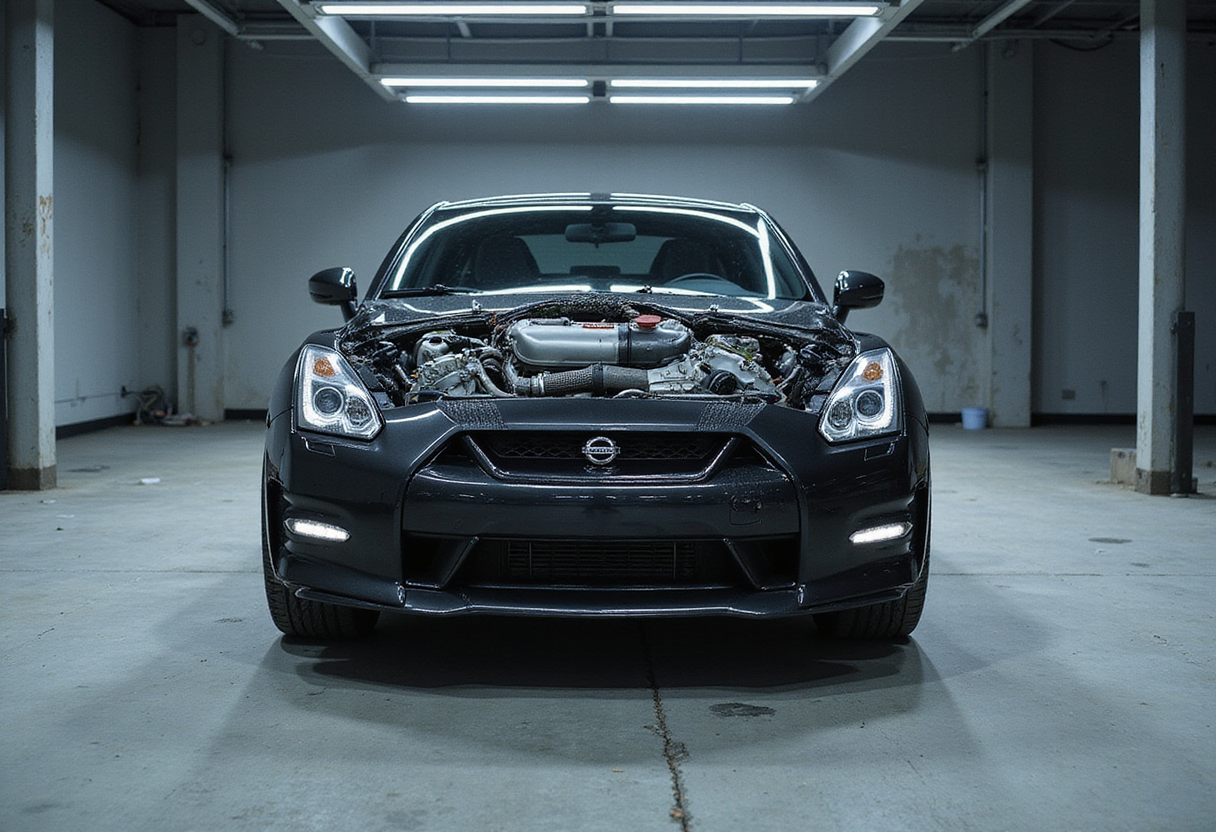
A Nissan subsidiary has cancelled a plan to manufacture electric-vehicle powertrains in the United Kingdom, Japanese financial daily Nikkei reported and Reuters carried.
The Nikkei report, distributed through the Reuters wire, identified only that a "Nissan unit" had scrapped a UK EV powertrain project. The full Reuters article body — which would normally name the entity, the planned site, the investment scale, and the reasoning behind the reversal — did not appear in the feed available to Autoplant Brief. No official confirmation from Nissan UK sat alongside the wire story at the time of writing.
What the headline tells us
The cancellation centres on EV powertrain manufacturing — production of the traction motors, power electronics, and reduction gears that translate battery energy into vehicle motion. Locating such output in the UK would have shortened the supply chain for any EVs assembled at British Nissan plants, cutting logistics cost and currency exposure. Pulling the plan suggests Nissan is reassessing the geographic footprint of its component operations, at least in the UK, even if its vehicle-assembly footprint there remains intact.
Why the UK context matters
Britain has positioned itself as a destination for electrified-component investment, with successive policy packages aimed at drawing battery cell, motor, and inverter production onto domestic soil. Nissan runs one of the largest Japanese-automaker manufacturing footprints in the country. A subsidiary-level pullback from UK powertrain manufacturing runs counter to that policy direction, though the Nikkei report identifies no policy trigger and could equally reflect Nissan-internal capacity planning.
Why a Nissan unit would pull back
EV powertrain plants typically carry multi-hundred-million-pound capital tags and demand multi-year volume commitments to clear payback hurdles. Without confirming the specific driver, the Nikkei report nonetheless leaves room for analysts to ask whether softening European EV demand, a reassessment of component sourcing from Japan, or shifting Nissan-group capex priorities all sit behind the headline.
The cancellation also raises a question about who inside the Nissan group held the original brief. A UK powertrain project would have required board-level endorsement. Pulling that brief suggests a strategic-level reversal rather than a routine site-level adjustment, though again the Nikkei headline does not specify the originating entity or its reporting line.
How the report was framed
Nikkei, the Asahi Shimbun-owned business daily based in Tokyo, regularly breaks news on Japanese automaker strategy because of its domestic access to corporate executives and supply-chain contacts. Reuters, which syndicates selected Nikkei scoops into English-language markets, carried the headline without additional sourcing in the version reviewed here. That reporting chain means the underlying details — site, capacity, jobs, motive — require confirmation against Nissan's own communications before readers treat them as definitive, particularly for any analyst building supplier or policy reactions on top of the headline alone.
Where this leaves UK EV-component strategy
The UK has chased multiple Asian and European automakers for EV-component commitments in recent years, with mixed results. Some projects reached financial-investment-decision status; others slipped or were quietly shelved as EV demand forecasts reset. A Nissan-unit cancellation, even at subsidiary level, adds another data point to that pattern and will colour how trade-association and government officials read the next wave of supplier announcements. Any UK tier-one that had pitched localisation to the cancelled project now faces a planning reset.
What to watch next
- Confirmation or denial from Nissan headquarters in Yokohama or Nissan Europe
- Identification of the named subsidiary and the originally planned UK location
- Any comment from the UK Department for Business and Trade or the Society of Motor Manufacturers and Traders
- Whether the cancellation touches Nissan's UK assembly operations or only affects an adjacent powertrain project
- Supplier-level ripple effects, particularly for any UK tier-one that had pre-positioned for the Nissan unit's local sourcing
via Google News: Powertrain production (Source)
More from Daniel Okafor
Show full bio
Senior reporter covering marketplaces and e-commerce at Autoplant Brief.
176 articles